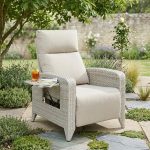
A wall hugger recliner is a space-saving chair that reclines forward, not backward, so it fits close to walls.
A wall hugger recliner is one of the smartest seating choices for modern homes, especially when every inch matters. It is designed to give you full recline comfort without needing a large gap behind the chair, which makes it ideal for apartments, small living rooms, and compact media spaces. If you want to understand how a wall hugger recliner works, what makes it different, and whether it is the right fit for your home, this guide will walk you through everything in a clear and practical way.
What Is a Wall Hugger Recliner?
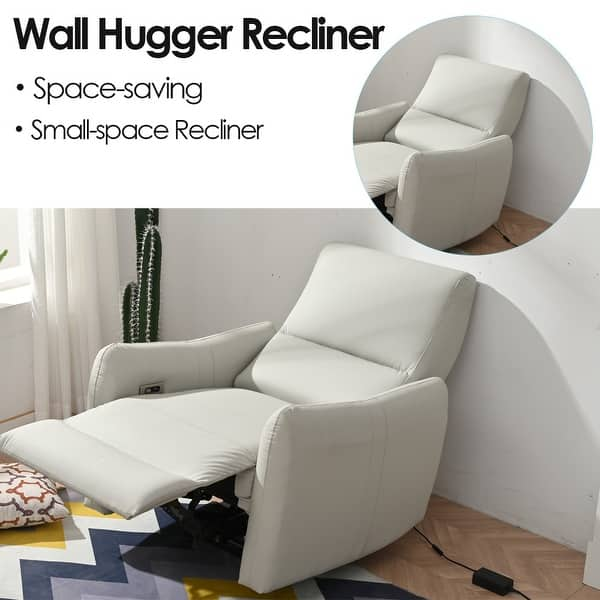
A wall hugger recliner is a type of recliner that moves forward as it reclines. Instead of pushing the seat far back into the wall, the chair uses a special track or mechanism that lets the seat slide forward while the back lowers. This design lets you place the chair much closer to a wall than a traditional recliner.
In simple terms, a wall hugger recliner saves space without giving up comfort. I have found this style especially useful in rooms where furniture must work hard, such as small family rooms, bedrooms, and den areas. It feels a bit like a smart puzzle piece: it gives you the same relaxation as a standard recliner, but it uses the room more efficiently.

How a Wall Hugger Recliner Works
The key feature of a wall hugger recliner is its mechanism. When you lean back or activate the recline lever, the seat glides forward first. Then the backrest tilts into a reclined position while the footrest rises.
This motion is different from a traditional recliner, which usually needs several inches of clearance behind it. Many wall hugger designs only need a small gap, often just a few inches, depending on the model. That makes the chair easier to place near a wall, bookcase, or window.
Common parts of the mechanism include:
- A forward-sliding seat base
- A reclining backrest
- An integrated footrest
- Manual or powered controls
- A compact frame designed for tighter spaces
I have seen many buyers assume all recliners work the same way. That mistake often leads to a chair that bumps into the wall or blocks a walkway. Measuring the room first is always the safer move.
Wall Hugger Recliner vs. Traditional Recliner
A wall hugger recliner and a traditional recliner may look similar at first, but they function very differently. The biggest difference is how much space they need behind the chair.
A traditional recliner leans backward as it opens, so it needs more room from the wall. A wall hugger recliner moves forward as it reclines, which makes it far better for smaller spaces.
Here is a simple comparison:
- Wall hugger recliner: Best for small rooms and tight layouts
- Traditional recliner: Better for larger rooms with more open space
- Wall hugger recliner: Usually easier to fit against walls
- Traditional recliner: Often offers a more classic recline motion
From a practical point of view, a wall hugger recliner is often the better choice if your furniture arrangement must stay close to the wall. If you have a larger room, a traditional recliner can still work well, especially if you value a bulkier, more cushioned design.
Benefits of a Wall Hugger Recliner
A wall hugger recliner offers more than just space savings. It can improve comfort, room flow, and overall function in your home.
Some of the main benefits include:
- Space efficiency: It fits into smaller rooms more easily than a standard recliner.
- Better layout flexibility: You can place it closer to walls and still recline comfortably.
- Cleaner room flow: It helps keep walkways open.
- Great for apartments: It works well in homes where square footage is limited.
- Comfortable support: Many models still offer plush cushioning, lumbar support, and padded armrests.
In my experience, the biggest advantage is flexibility. I have helped people choose seating for rooms that felt too tight for a recliner, and a wall hugger model often solved the problem instantly. It gives you the relaxing feel people want, but it respects the room’s limits.

Common Types of Wall Hugger Recliners
Wall hugger recliners come in several styles. The right one depends on your comfort needs, room size, and design preference.
Popular types include:
- Manual wall hugger recliners: These use a lever or pull tab to recline. They are simple, reliable, and often more affordable.
- Power wall hugger recliners: These use an electric motor for smooth reclining. They are ideal if you want easier adjustment and more control.
- Lift wall hugger recliners: These help users stand up more easily. They are helpful for seniors or anyone with mobility concerns.
- Rocker wall hugger recliners: These combine gentle rocking with reclining. They are often used in nurseries or cozy family rooms.
- Swivel wall hugger recliners: These allow side-to-side turning, which adds flexibility in multipurpose spaces.
Each type serves a different need. If you want straightforward use, manual models are often enough. If convenience matters most, power options are worth a close look.
What to Consider Before Buying One
Choosing a wall hugger recliner should start with measurements and daily use. A chair that looks perfect online may feel wrong if it is too wide, too deep, or too low for your space.
Before buying, consider these points:
- Room size: Measure the wall space, floor area, and walking path.
- Clearance needs: Check how many inches the recliner needs from the wall when fully open.
- Seat height: Make sure it is easy to sit down and stand up.
- Cushion firmness: Softer is not always better if you need long-term support.
- Upholstery material: Leather, faux leather, microfiber, and fabric each have strengths.
- Weight capacity: Confirm the chair can support the user safely.
- Power source: For electric models, check outlet access and cord placement.
One lesson I learned early is that comfort in a showroom does not always match comfort at home. A chair can feel excellent for ten minutes and still be a poor long-term fit if the seat is too deep or the back angle does not suit your body.

Best Places to Use a Wall Hugger Recliner
A wall hugger recliner works well in many areas of the home. Its compact design makes it useful wherever space is limited but comfort still matters.
Good places to use one include:
- Small living rooms
- Apartments and condos
- Bedrooms
- Home theaters
- Reading corners
- Nurseries
- Home offices with a relaxation zone
It is also a strong choice for multiuse rooms. If one room needs to function as a workspace, TV room, and guest area, a wall hugger recliner can keep the room from feeling crowded.
Materials and Upholstery Options
The upholstery you choose can affect comfort, durability, and cleaning. Wall hugger recliners come in several common materials, and each one has a different feel.
Typical options include:
- Fabric: Soft, breathable, and available in many colors
- Microfiber: Easy to clean and often good for families
- Leather: Stylish, durable, and simple to wipe down
- Faux leather: Lower cost and easier maintenance than real leather
- Performance fabric: Designed to resist stains and wear
If the chair will be used daily, I usually suggest choosing a material that is both durable and easy to clean. Spills, pet hair, and dust are part of real life, not a design showroom.
Comfort Features to Look For
The best wall hugger recliner is not only compact. It should also support your body well during long periods of sitting.
Helpful comfort features include:
- Lumbar support
- Padded armrests
- High backrest
- Extended footrest
- Head support or neck support
- Smooth reclining motion
- Memory foam or high-density foam cushioning
If you plan to read, watch TV, or nap in the chair, support matters as much as style. A recliner should feel like a quiet pause in the day, not a hard seat that leaves you stiff later.
Limitations of a Wall Hugger Recliner
Like any furniture style, a wall hugger recliner has limits. It is not the perfect solution for every home or every user.
Possible drawbacks include:
- It may not recline as far as some oversized traditional recliners.
- Some models can feel smaller in seat depth.
- Power versions may cost more.
- Cheaper models may have weaker mechanisms.
- Not all designs offer the same plush comfort as larger recliners.
These limits do not make the chair a bad choice. They simply mean you should match the model to your needs. If you want maximum stretch-out space, a larger recliner might still be better. If you want practical comfort in a tighter footprint, a wall hugger recliner is often the smarter pick.
Why Wall Hugger Recliners Are Popular in Modern Homes
Homes today often need flexible furniture. Rooms are smaller, layouts are more open, and people expect furniture to do more than one job. That is one reason the wall hugger recliner has become so popular.
It fits well with current living patterns:
- Smaller apartments and condos
- Open-concept rooms with limited wall space
- Multiuse rooms that need adaptable furniture
- A growing need for comfort without clutter
This shift is easy to understand. People want a home that feels calm and useful. A wall hugger recliner supports that goal by giving comfort without taking over the room.

Maintenance and Care Tips
A wall hugger recliner can last a long time if it is cared for properly. Good maintenance also helps the mechanism stay smooth and quiet.
Simple care tips include:
- Vacuum the chair regularly to remove dust and crumbs.
- Wipe spills quickly before they set.
- Keep the mechanism free of dirt and loose objects.
- Check bolts and moving parts from time to time.
- Avoid forcing the recliner if it feels stuck.
- Follow the manufacturer’s cleaning instructions for the upholstery.
For power recliners, keep cords safe and avoid placing the chair where cables can bend sharply. A little attention goes a long way here. Many furniture problems start small and are easy to prevent.
How to Choose the Right Wall Hugger Recliner
Choosing the right wall hugger recliner comes down to a few practical questions. Think about how the chair will be used, who will sit in it, and how much room you really have.
A simple buying process can look like this:
- Measure your space carefully.
- Decide between manual and power reclining.
- Choose a material that fits your lifestyle.
- Test the seat depth and back support if possible.
- Check clearance needs for full recline.
- Review weight capacity and warranty details.
If you shop in person, sit in the chair for a few minutes, not just a few seconds. If you shop online, read dimensions closely and compare them with your room measurements. That habit can save you from an expensive return.
Frequently Asked Questions of What Is a Wall Hugger Recliner
How much space does a wall hugger recliner need from the wall?
Most wall hugger recliners need far less clearance than traditional recliners, often just a few inches. Still, exact space requirements depend on the model, so it is best to check the product dimensions before buying.
Is a wall hugger recliner comfortable for daily use?
Yes, many wall hugger recliners are built for daily comfort and support. The best models offer good cushioning, proper back support, and a smooth reclining motion.
Are wall hugger recliners good for small apartments?
Yes, they are one of the best recliner options for small apartments. Their space-saving design helps you enjoy a reclining chair without crowding the room.
Do wall hugger recliners come in power versions?
Yes, many wall hugger recliners are available in power models. These let you recline with the touch of a button and are often easier to use for people with mobility concerns.
How do I know if a wall hugger recliner will fit my room?
Measure the wall space, floor area, and walking path before purchasing. You should also check the recliner’s clearance requirement so you know it can open fully without hitting the wall.
Conclusion
A wall hugger recliner is a smart, space-saving chair that delivers comfort without demanding a lot of room behind it. It is a practical choice for small homes, tight layouts, and anyone who wants the comfort of a recliner without the bulk of a traditional model.
If you are shopping for one, focus on measurements, support, material, and how the chair will fit into your daily routine. The best choice is the one that feels comfortable in your space, not just in the showroom. Take what you have learned here, compare a few models, and choose a wall hugger recliner that truly works for your home.