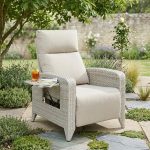
The left arm or right arm is determined by the armrest position when you face the chaise.
Choosing between a left arm vs right arm chaise lounge may seem simple, but it affects room flow, comfort, and how well the piece fits your layout. In practice, this decision can make a sectional feel balanced and useful, or awkward and tight. If you want a chaise that looks intentional and works with your space, it helps to understand exactly how left arm vs right arm chaise lounge orientation is defined and how to choose the right one.

What a Left Arm vs Right Arm Chaise Lounge Means
A chaise lounge is an extended seat that lets you stretch your legs while sitting or reclining. In sectional and sofa design, the terms left arm and right arm refer to the side with the armrest when you are facing the chaise from the front.
That detail matters because many buyers first assume the terms are based on sitting on the furniture, not facing it. I have seen this mistake more than once during furniture planning, and it often leads to returns, delays, and layout frustration. The easiest rule is this: stand in front of the chaise and look at it.
If the armrest is on your left, it is a left arm chaise lounge. If the armrest is on your right, it is a right arm chaise lounge. That simple rule saves a lot of confusion and helps you match the chaise to your sectional, wall space, or open floor plan.
Left Arm vs Right Arm Chaise Lounge: The Core Difference
The main difference between left arm vs right arm chaise lounge options is orientation, not comfort level. Both styles can feel equally supportive, stylish, and functional. The real difference is how they connect to the rest of the sofa or how they sit in the room.
When people shop for a sectional, they often focus on fabric, color, or cushion depth first. Those details matter, but orientation is the part that determines whether the sofa fits the room naturally. A well-placed chaise can open up a living area, while the wrong side can block walkways or make the room feel cramped.
In my experience, the best results come from measuring the room before buying and sketching the furniture outline on paper or with painter’s tape. That small step often reveals whether a left arm chaise lounge or right arm chaise lounge is the better fit.
How to Tell Left Arm From Right Arm Correctly
Many shoppers get this wrong because they picture the chaise while sitting on it. That is the most common mistake. The furniture industry usually defines orientation from the front view, facing the piece.
Here is the simplest way to tell:
- Stand directly in front of the chaise.
- Face the seat as if you are about to sit down.
- Look at which side has the armrest.
- That side gives the orientation name.
A chaise with the armrest on the left is a left arm chaise lounge. A chaise with the armrest on the right is a right arm chaise lounge. This rule applies to most sectional components and is especially important when ordering custom or modular seating.
Why Orientation Matters in Room Design
Orientation affects more than just naming. It changes how people move through the room and how the furniture interacts with doors, windows, and other seating.
A left arm vs right arm chaise lounge can help in several ways:
• Improve traffic flow by keeping walkways open
• Create a balanced seating area in a corner or open concept room
• Make a sectional feel more natural against a wall
• Allow better viewing angles toward a TV or fireplace
• Support better conversation seating when paired with a sofa or loveseat
A poorly chosen side can do the opposite. It may block a pathway, cut off access to a side table, or make the chaise feel squeezed into a space it does not suit. Good layout design often comes down to inches, not feet.

Source: homedepot.com
Left Arm vs Right Arm Chaise Lounge in Sectionals
Sectional sofas often use left arm and right arm design labels to show how the chaise connects to the rest of the seating. This is where many buyers need the most clarity. The chaise may be part of a left-facing or right-facing sectional, depending on the arm placement.
A left arm chaise lounge is often used when the extended seat sits on the left side as you face the sectional. A right arm chaise lounge is used when the extension sits on the right side as you face it. The names can sound backwards at first, but once you use the front-facing rule, they become much easier to remember.
When I have helped with room layouts, I have found that people often choose based on the position of a window or doorway. That is smart. The goal is to make the chaise feel like it belongs, not like it was forced into the room.
How to Choose the Right Side for Your Space
The best left arm vs right arm chaise lounge choice depends on your room shape and daily use. Before buying, look at the full layout, not just one wall.
Use these practical steps:
• Measure the length and width of the room
• Note windows, doors, vents, and outlets
• Mark the main walking path
• Decide where the TV, fireplace, or focal point sits
• Think about which direction you naturally enter the room
• Compare both left arm chaise lounge and right arm chaise lounge options
If your room has an open corner on the left, a left arm chaise may work better. If the open space is on the right, the right arm version may be the safer choice. This small planning step can make the room feel much more polished.
Comfort, Lifestyle, and Daily Use
Comfort is not only about cushions. It is also about how you use the chaise in real life. A left arm vs right arm chaise lounge should match your habits.
For example, if you usually lounge while watching TV, the chaise should let you stretch without blocking sight lines. If you often have guests over, it should support easy conversation and movement. If you nap on the chaise, think about which side gives you the most natural head support and privacy.
A few lifestyle questions help narrow the choice:
• Do you want the chaise near a wall or floating in the room?
• Will children or pets use it often?
• Do you need the seat to face a window or screen?
• Will you move the furniture often or keep it fixed?
The more clearly you understand how the space works day to day, the easier it is to choose the right side.
Left Arm vs Right Arm Chaise Lounge for Small Spaces
Small rooms benefit a lot from the correct chaise orientation. In tighter spaces, the wrong side can make the room feel blocked and heavy. The right choice can make the room feel open and calm.
A left arm chaise lounge may work better if the left side of the room has open space and the right side has a wall or shelving. A right arm chaise lounge may be a better fit when the reverse is true. In compact apartments, I always recommend checking door swing, lamp placement, and side table clearance before ordering.
Helpful tips for small spaces:
• Choose a slimmer frame when possible
• Keep one clear walkway around the chaise
• Avoid placing the chaise directly against a busy traffic path
• Use the chaise side to anchor the room rather than crowd it
Modular Furniture and Reversible Chaise Options
Some sectionals now include reversible chaises. These are useful because they can be switched from left arm to right arm depending on the room. For renters or people who move often, this flexibility can be a major advantage.
A reversible chaise lounge reduces the risk of ordering the wrong orientation. It also gives you more freedom if you later rearrange the room. Still, reversible designs may not always be as sturdy or tailored as fixed models, so it is worth checking the build quality.
In many homes, a reversible piece is the most practical choice. It acts like a flexible tool instead of a fixed decision, which can be a relief if your layout is still changing.
Common Mistakes to Avoid
The most expensive mistakes usually come from rushing the measurement step. The chaise may look perfect online but arrive in the wrong orientation for your room.
Common mistakes include:
• Confusing left arm vs right arm chaise lounge orientation
• Measuring the wall but forgetting walkway space
• Ignoring door and window placement
• Choosing style before function
• Not checking whether the chaise is fixed or reversible
• Assuming all brands define left and right the same way without reading the product description
A good rule is to measure twice and compare the listing details carefully. I have seen buyers save themselves a lot of stress simply by checking the orientation diagram before purchase.
Style and Design Considerations
A chaise lounge should look like part of the room, not just a spare seat. The orientation affects visual balance as much as it affects function. A left arm chaise lounge may create a softer line on one side of the room, while a right arm chaise lounge may better frame the main seating zone.
Consider the following design points:
• Match the chaise height with the rest of the sectional
• Keep fabric and color consistent with the room palette
• Think about symmetry if the room is formal
• Use the chaise as a visual anchor in open layouts
• Choose orientation that supports the room’s focal point
A well-placed chaise feels almost like a period at the end of a sentence. It finishes the room cleanly.
Materials, Durability, and Long-Term Use
The left arm vs right arm chaise lounge decision does not change the materials, but it does affect wear patterns. The side closest to a doorway, window, or main traffic route may see more use. Over time, that can influence cushion wear and frame stress.
When evaluating durability, look for:
• Solid frame construction
• High-density foam or supportive cushioning
• Durable upholstery such as performance fabric or leather
• Reinforced seams and corner joints
• Easy-to-clean materials for family use
Industry guidance from furniture testing and upholstery standards often emphasizes frame strength, cushion resilience, and fabric performance as key quality markers. That aligns with what I have seen in real homes: the best chaise is the one that holds its shape and stays comfortable after daily use.

Source: com.br
Frequently Asked Questions
What is the difference between a left arm chaise lounge and a right arm chaise lounge?
The difference is the side where the armrest is located when you face the chaise from the front. A left arm chaise lounge has the armrest on the left, while a right arm chaise lounge has the armrest on the right.
How do I know which chaise orientation I need?
Face the chaise from the front and check which side has the armrest. Then compare that side to your room layout, traffic flow, and sectional placement before buying.
Can I switch a left arm chaise lounge to the right side?
Only if the chaise is designed to be reversible or modular. Fixed models cannot usually be switched without changing the furniture arrangement.
Is a left arm vs right arm chaise lounge better for small rooms?
Neither is automatically better. The better choice is the one that keeps the room open, preserves walkways, and fits the available wall or corner space.
Why do furniture stores use left and right labels that feel confusing?
They usually label orientation from the perspective of facing the furniture. That is why many shoppers make mistakes at first, especially when ordering online.
Conclusion
Choosing between a left arm vs right arm chaise lounge comes down to orientation, layout, and everyday comfort. Once you understand how the side is defined, it becomes much easier to match the chaise to your room and avoid costly mistakes. The right choice can improve flow, support better use of space, and make your seating area feel complete.
Take the time to measure, compare, and think about how you live in the room. A little planning now can save a lot of regret later. If you are still deciding, review your layout one more time and explore options that fit both your style and your floor plan.