Separate sections, unlatch clips, unplug recliners, label parts, protect hardware, and wrap.
You can take apart most sectionals in under an hour with simple tools and a plan. In this guide, I show you how to disassemble a reclining sectional sofa, how to take apart an L-shaped sectional sofa, how to remove sectional sofa clips, and how to disassemble a modular sofa. I draw on years of moving and furniture setup work to share safe methods, real-world tips, and mistakes to avoid.
Before You Start: Tools, Space, and Safety
Good prep makes the job fast and safe. Clear a soft, open area. Lay a blanket to protect fabric and floors.
Gather these tools:
- Screwdriver set with flat and Phillips heads
- Hex keys and a small socket set
- Slip-joint pliers and needle-nose pliers
- Rubber mallet and a plastic putty knife
- Zip ties and painter’s tape
- Zip-top bags and a marker
- Work gloves and safety glasses
Do this before you start:
- Unplug all power. Wait 5 minutes for capacitors to discharge.
- Take clear photos of every connector and hinge.
- Remove cushions and store them in clean bags.
- Label each seat: Left, Corner, Chaise, Recliner, etc.
I follow maker manuals when they are on hand. Photos and labels cut reassembly time in half.

Universal Method: How to Take Apart Any Sectional Sofa
Most sectionals follow the same pattern. Use this baseline method.
Step-by-step:
- Remove all loose parts. Take off cushions, legs with glide caps, and headrests if they lift out.
- Find the joints. Look for clips, brackets, or bolts where seats meet.
- Release the connectors. Lift, slide, or pry as needed. Use a putty knife to guard fabric.
- Separate the seats. Lift straight up if it is a hook or pin style. Slide apart for rail systems.
- Bag the hardware. Label each bag by seat and side.
- Wrap each piece. Use moving blankets or stretch wrap.
Pro tips from the field:
- Work from the outside seats toward the corner.
- Keep sections upright whenever you can to avoid bending frames.
- If a joint sticks, lift the lighter piece, not both at once.

How to Disassemble a Reclining Sectional Sofa
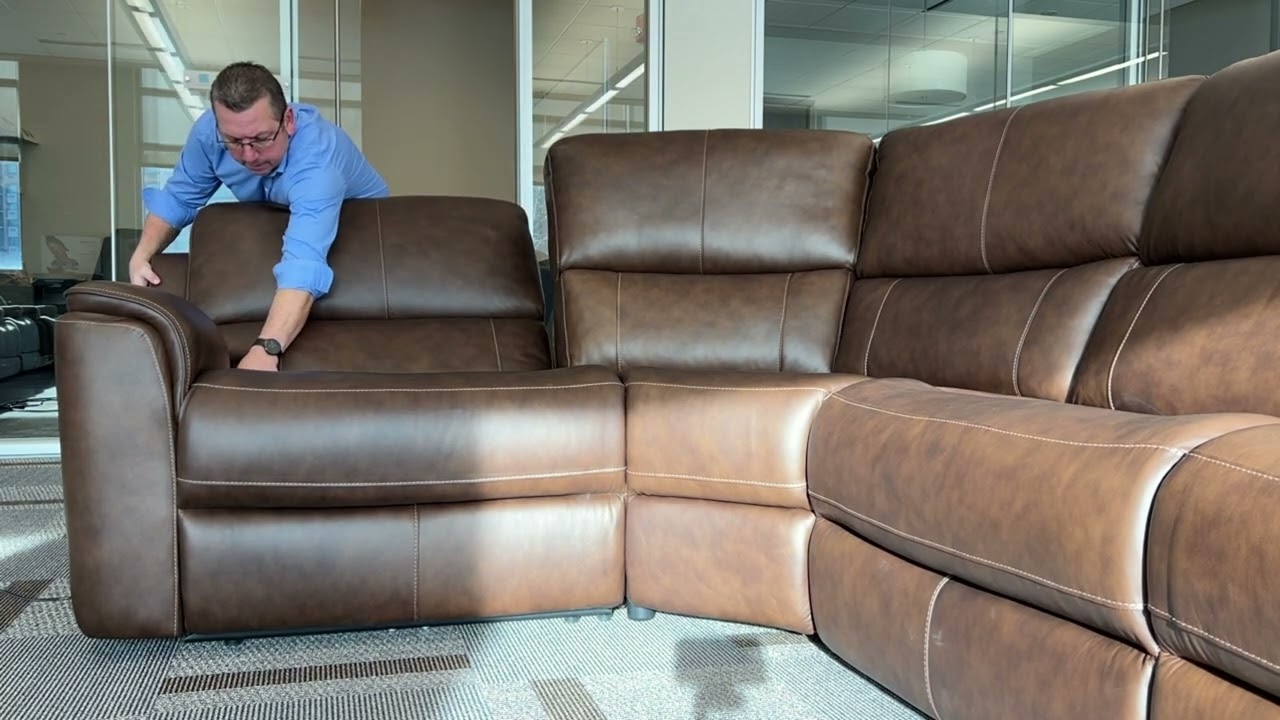
If you ask how to disassemble a reclining sectional sofa, start with power and backs. Many recliners use locking back brackets with a release tab.
Follow these steps:
- Unplug the sofa and all power modules. Wait 5 minutes.
- Tip each recliner seat slightly forward. Find the metal back brackets low on the rear.
- Feel for the latch tab or pull loop. Hold the tab and lift the back straight up.
- Lay the back on a blanket. Do not twist the side posts.
- Reach under the seat. Disconnect quick plugs for motors, lights, or USB hubs.
- Check the footrest. Some have cotter pins or clips to free the linkage. Others stay in place.
- Separate seats from neighbors. Look for hook plates, cam locks, or thumb screws between bases.
- Bag all clips and screws. Tape the bag to the matching seat base.
Manual vs power recliners:
- Manual units often have fewer wires. Backs still slide off the same way.
- Power units have harness plugs. Do not pull on wires. Grip the plug body.
Safety note:
- Never run the recliner while upside down.
- If a back will not lift, the tab is not fully released. Try again with more lift.
In my shop days, I learned to start with the back that sits proud by 1–2 mm. That tiny gap often marks the side with the easier first release. It saves minutes and knuckles.
For search clarity: this is how to disassemble a reclining sectional sofa in most homes. If your manual says otherwise, follow it.
How to Take Apart an L-Shaped Sectional Sofa
People often ask how to take apart an L-shaped sectional sofa for tight halls. The key is to free the corner wedge or chaise first.
Do this:
- Remove the chaise cushion and check for storage. Empty it.
- Find the link between the chaise and the main sofa. It is often a pair of C-clips.
- Lift the chaise slightly and pull away to unhook the clips.
- For a corner wedge, lift each side to free opposing hooks. Work one side at a time.
- If legs stick out, unscrew front legs to gain door clearance.
- Wrap arms and corners. These hit walls first.
Doorway tip:
- Stand a chaise on end to pivot through tight doors. Protect the top with a blanket.
I once moved an L-shape up a narrow walk-up. We pulled the legs, bagged the screws on the frame, then walked the wedge up like a book. That small step made a near-impossible turn simple.
For clear search intent: here is how to take apart an L-shaped sectional sofa when space is tight. Label the chaise so you put it back on the right side.

How to Remove Sectional Sofa Clips
Knowing how to remove sectional sofa clips helps you avoid tears and bends. There are a few common types.
Identify the clip:
- C-clip or U-clip. A U-shaped metal piece that grabs a pin.
- Alligator clip. A toothed latch that bites a rail.
- Slide bracket. A male-and-female track that locks when pushed together.
- Hook-and-pin. Two hooks nest and hold with weight.
Removal methods:
- C-clip or U-clip. Lift one seat 1–2 inches, then pull back. Use a putty knife to shield fabric.
- Alligator clip. Lift straight up to release the bite. A small pry with a plastic tool can help.
- Slide bracket. Lift slightly, then slide backward to disengage the track.
- Hook-and-pin. Lift the lighter seat straight up to clear the hooks.
Helpful tricks:
- If metal squeaks or sticks, add a tiny bit of dry lube to the joint.
- Tap gently with a rubber mallet on the frame near, not on, the clip.
- Never pry against fabric. Use a plastic wedge under the metal.
If a clip bends, do not force it on reassembly. Replace it. Bent clips cause gaps and wobbles.
This section answers how to remove sectional sofa clips in most designs. Check under-seat labels for the maker’s scheme.

How to Disassemble a Modular Sofa
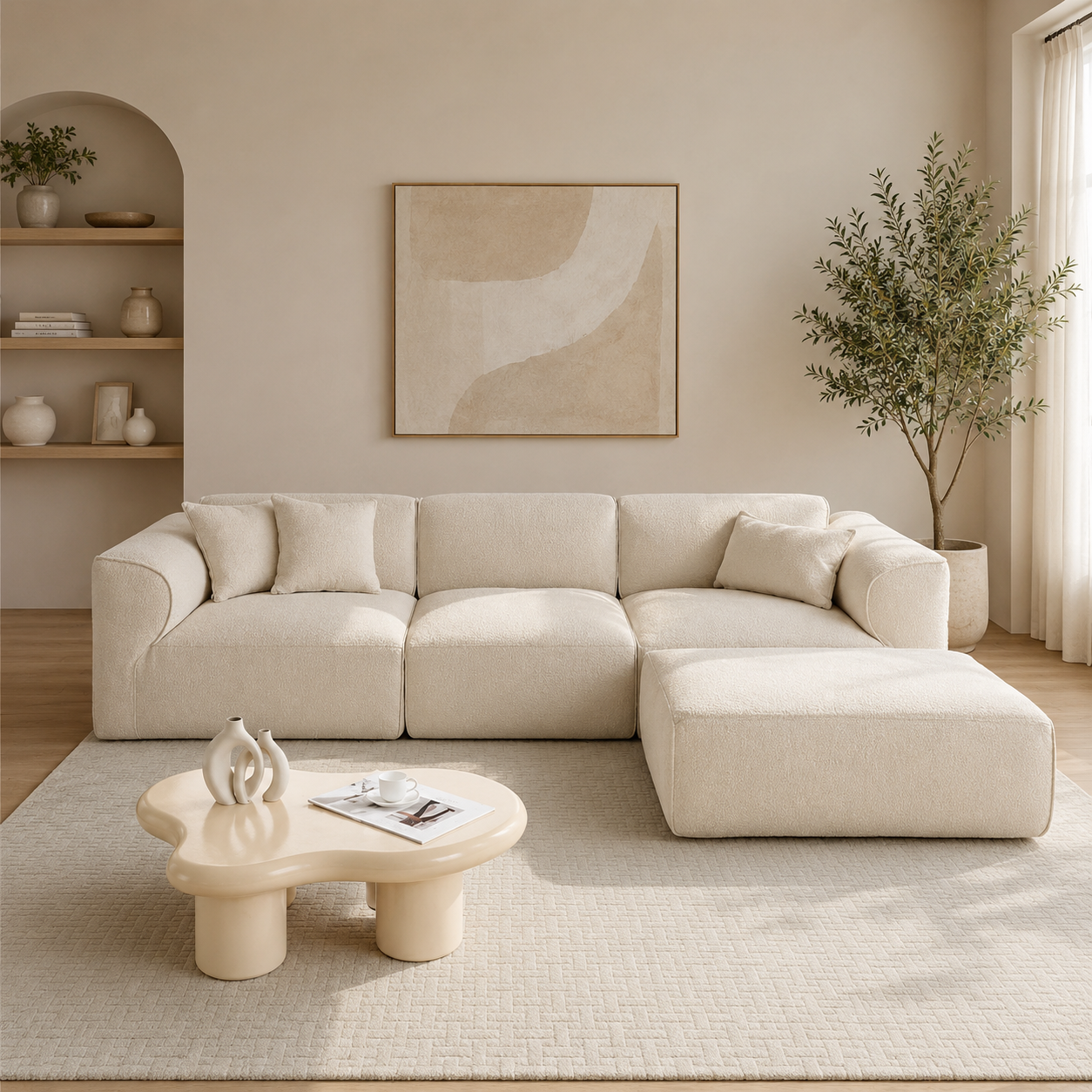
When you ask how to disassemble a modular sofa, assume each block is stand-alone. Modules link with hidden brackets, bolts, or fabric ties.
Steps to follow:
- Remove cushions and any slipcovers. Check for zippered linking flaps under cushions.
- Turn one module slightly. Look for metal plates, cam locks, or Velcro strips.
- For cam locks, use a hex key or screwdriver to turn the cam and release the pin.
- For Velcro, peel slowly along the seam to avoid fuzz pull.
- Lift each module straight up, then away from neighbors.
- Bag cams, pins, and feet. Tape the bag under the module.
Notes from practice:
- Some modular arms slide off on hidden rails. Push up, not out.
- Corner blocks may have two different connectors. Undo one side at a time.
Search-ready line: this is how to disassemble a modular sofa without damage to covers or cores. Work slow. The fabric is the most fragile part.

Protecting, Packing, and Moving Each Piece
Good packing saves money and stress.
Best practices:
- Wrap arms and corners with moving blankets. Tape to the blanket, not the fabric.
- Cover leather with breathable pads. Avoid plastic on leather for long storage.
- Place screws back into their holes when safe. It prevents loss and protects threads.
- Stack cushions on edge to keep shape. Do not crush foam.
- Label each part on painter’s tape: Room, Position, and Front arrow.
When loading a truck, stand seats on end and strap them. Keep the heaviest pieces low and tight.

Reassembly Checklist and Alignment Tips
Set the sofa where it will live. Level the floor area first.
Checklist:
- Join the center pieces before adding arms and a chaise.
- Align clips by eye, then lower straight down. Do not slam.
- Check seat gaps. Adjust by lifting and nudging, not by hitting.
- Plug power last. Test each recliner before pushing the sofa to the wall.
- Add legs and glide caps after alignment.
If a clip will not seat, check for a bent tab or fabric caught in the joint. Fix the cause, then try again.
Frequently Asked Questions of How to Disassemble a Reclining Sectional Sofa How to Take Apart an L-Shaped Sectional Sofa How to Remove Sectional Sofa Clips How to Disassemble a Modular Sofa
Is it safe to flip a reclining sectional on its back to access brackets?
Yes, but unplug all power first and protect the floor. Support the frame so the arms do not carry the load.
How do I find hidden release levers on recliner backs?
Feel low behind the back, near the base of each side post. Look for a small metal tab or pull loop that releases while you lift.
Can I take apart an L-shaped sectional sofa alone?
You can if each piece is light and you have sliders. For a corner wedge or heavy chaise, use a helper to avoid frame twist.
What tools remove sectional sofa clips without damage?
Use a plastic putty knife, rubber mallet, and slip-joint pliers. A small flat screwdriver helps, but protect the fabric with a plastic wedge.
How long does it take to disassemble a modular sofa?
Most modular sofas break down in 20–45 minutes. Time varies by number of modules and connector type.
Do I have to remove legs to move an L-shaped sectional?
Not always, but removing front legs can make door turns easy. Bag and label the screws, then wrap the legs.
What is the fastest way to disassemble a reclining sectional sofa?
Remove backs first, then unplug and separate bases. Bag hardware as you go and label each seat for quick reassembly.
How do I know which clips my sectional uses?
Check under the seats with a flashlight. You will see U-clips, slide rails, hooks, or cam locks near the meeting edges.
Can I damage power recliner wires during disassembly?
Yes, if you pull wires instead of plugs or pinch harnesses. Always grip the plug body and route wires away from moving parts.
How tight should clips feel on reassembly?
They should seat with a firm push and no wobble. If they need force or bounce, realign and try again.
Conclusion
You now know how to disassemble a reclining sectional sofa, how to take apart an L-shaped sectional sofa, how to remove sectional sofa clips, and how to disassemble a modular sofa. With clear labels, steady lifts, and light tools, you can move or deep clean your sofa without stress. Take photos, bag parts, and work from the outside in.
Put this guide to work on your next move or room reset. If you found it useful, share it with a friend, subscribe for more smart home tips, or leave a comment with your setup and questions.