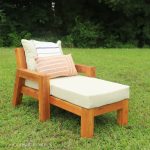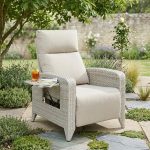
A chaise lounge can turn a quiet corner into a comfortable reading spot. Its long seat supports more of your body than a standard chair. This makes it useful for long reading sessions with books, magazines, or an e-reader.
In my experience with home comfort and furniture layouts, the chair itself is only part of the setup. Small changes in pillow height, lamp position, foot support, and book angle can make a large difference. The goal is not to sit in one perfect pose. The goal is to create a setup that feels easy to use and easy to adjust.
This guide explains how to use a chaise lounge chair for reading in a practical way. It covers chair placement, posture, lighting, pillows, reading accessories, common mistakes, and ways to make a reading nook work in a typical U.S. home.
Why a Chaise Lounge Works Well for Reading
A chaise lounge has a long seat that lets you support your legs while you read. This differs from an upright armchair, where your feet usually stay on the floor. The extra length can make the chair feel more relaxed.
The best setup depends on the chair shape and your body. A firm chaise may suit readers who want steady support. A softer model may feel better for short, casual sessions. For longer reading, support and easy movement matter more than softness alone.
- ✦ Full leg support
The long seat can support your thighs and lower legs, which can help you settle into a relaxed position.
- ✦ Flexible posture
You can sit upright, recline slightly, or change leg positions without leaving the chair.
- ✦ Useful for small reading areas
A chaise can serve as both a reading seat and a quiet place to rest, so it can add more use to one area.
Chaise Lounge vs. Traditional Reading Chair
A traditional reading chair keeps you more upright. A chaise lounge gives you more room to stretch out. Neither shape is right for every reader, so focus on the support you need and the space you have.
- ✦ Choose a chaise
A chaise may suit you if you like to stretch your legs, recline, or change positions while reading.
- ✦ Choose an armchair
An armchair may suit you if you prefer a compact seat and a more upright reading position.
How to Set Up a Chaise Lounge for Reading
Start with the chair position. Place the chaise where you can reach a lamp, side table, or charging point without stretching. Leave enough space around the chair so you can get in and out with ease.
Next, check the angle of the backrest if the model has an adjustable back. You want enough support to keep your upper body relaxed while still allowing you to hold your book at a natural height. A small adjustment can be better than adding several large pillows.
Keep your main reading tools within easy reach. A small table can hold your book, glasses, water, reading light, and phone. This simple setup helps you avoid twisting or leaning to reach items.
- ✦ Set the chair near light
Place the chaise near a window or lamp, but avoid strong glare on a tablet or e-reader screen.
- ✦ Keep a clear path
Leave enough room to walk around the chair without bumping into furniture.
- ✦ Add a side table
Use a small table for books, glasses, a drink, and other reading items.
- ✦ Test the reach
Sit down and check whether you can reach your main items without leaning far forward or sideways.
Find the Right Recline Angle
A slight recline often works well for reading. It can reduce the need to hold your torso stiff while you focus on the page. If you recline too far, however, you may need to bend your neck sharply to see the book.
- ✦ Start slightly upright
Begin with a mild recline and adjust it after a few minutes of reading.
- ✦ Watch your neck
If you keep looking down, raise the book instead of forcing your head into a fixed position.
Use Pillows to Improve Reading Comfort
Pillows can change how a chaise lounge feels without changing the furniture. Use them to fill gaps and support areas that need more comfort. Avoid adding so many pillows that you lose usable seat space.
A lumbar pillow can support the lower back if the chaise feels too deep. A small neck or head pillow can help when you recline. The right pillow depends on your body and the chair, so test one change at a time.
- ✦ Lumbar pillow
Place a small firm pillow behind the lower back when the seat depth makes you slump.
- ✦ Head pillow
Use a supportive pillow behind the head or upper neck when reading in a reclined position.
- ✦ Knee support
A small cushion under the knees can change the leg angle and may feel more relaxed for some readers.
- ✦ Arm support
A small soft cushion can support an arm when holding a heavier book or tablet.
Do Not Overload the Chair With Pillows
Too many pillows can push your body forward and reduce back support. They can also make it harder to find a stable reading position. Start with one lumbar pillow or one head pillow, then adjust only if needed.
Choose the Right Reading Posture
Good reading posture does not mean staying perfectly still. A comfortable position lets your back feel supported while your shoulders and arms stay relaxed. Your neck should not remain sharply bent for long periods.
When learning how to use a chaise lounge chair for reading, focus on three areas: back support, book height, and leg comfort. If one area feels strained, adjust the setup instead of simply pushing through the discomfort.
Change position from time to time. You can move your legs, adjust a pillow, sit a little more upright, or take a short break. These small changes can make a long reading session feel easier.
- ✦ Support your lower back
Use the chair back or a small cushion to prevent your lower back from collapsing into the seat.
- ✦ Raise the book
Hold the book high enough that you do not need to keep your chin close to your chest.
- ✦ Relax your shoulders
Keep your elbows close to your body when possible and avoid lifting your shoulders while reading.
- ✦ Move often
Change your leg or upper-body position during longer sessions instead of staying fixed in one pose.
Reading a Paper Book
A paper book can be easier to hold when your forearms have support. A small cushion or armrest can reduce the need to hold the book at full arm length. For a large hardcover book, consider a lap desk or book stand.
Reading on an E-Reader or Tablet
An e-reader or tablet needs a different setup because screen glare and viewing angle matter. Keep the screen at a comfortable height and angle. Avoid placing it so low that you must bend your neck for long periods.
Set Up Proper Lighting for Reading
Good lighting is one of the most important parts of a reading nook. Place a floor lamp or table lamp so light reaches the page without shining directly into your eyes. The best position depends on whether you use your right or left hand and how the chaise is placed.
Natural light can work well during the day. In the evening, use a dedicated reading lamp rather than relying only on general room lighting. A focused light can make the reading area more useful while keeping the rest of the room calm.
- ✦ Avoid page shadows
Place the light so your head and hands do not cast strong shadows across the page.
- ✦ Reduce screen glare
For digital reading, angle the screen and lamp to limit reflections.
- ✦ Use adjustable lighting
A lamp with an adjustable head makes it easier to direct light as you change positions.
- ✦ Add dim control
A dimmable lamp lets you change the light level as daylight fades.
Daytime and Evening Reading
For daytime reading, place the chaise near a window when possible, but avoid direct sun that creates heat or glare. For evening reading, use a lamp with a stable beam that covers the page without lighting the entire room.
Create a Practical Reading Nook
A reading nook should feel calm, but it also needs to work for daily life. In a U.S. home, a chaise may fit well in a living room corner, bedroom, home office, sunroom, or quiet part of a family room.
Keep the design simple. A chair, lamp, side table, soft throw, and small book basket can create a complete reading area. You do not need a large home library to make the space feel intentional.
- ✦ Add a book basket
Keep current books nearby so the chair remains easy to use.
- ✦ Use a soft throw
A lightweight throw can add warmth without taking up much space.
- ✦ Keep the floor clear
Avoid placing cords or loose objects where they can become trip hazards.
- ✦ Match the room
Choose colors and materials that work with the existing room rather than treating the chaise as a separate zone.
Where Should You Put a Chaise Lounge?
A quiet corner often works well because it reduces distractions. A spot near a window can provide useful daylight. Avoid placing the chaise where people must walk around it often, since frequent traffic can make the reading area feel less peaceful.
Use Reading Accessories That Add Real Value
The right accessories should solve a real problem. A book stand can help with a large book. A side table can keep essentials close. A small reading light can improve visibility when the main room light is not enough.
Avoid buying accessories simply because they look good in a staged room. A useful reading setup should make the chair easier to use, not more crowded. Start with the items you reach for most often.
- ✦ Book stand
A book stand can hold an open book and reduce the need to support its full weight with your hands.
- ✦ Lap desk
A lap desk can provide a stable surface for notes, a tablet, or a larger book.
- ✦ Reading lamp
A focused lamp gives you better control over light than a ceiling fixture alone.
- ✦ Small side table
A nearby table provides a safe place for glasses, water, books, and devices.
Common Mistakes to Avoid When Reading on a Chaise Lounge
A chaise lounge can feel very comfortable at first, yet the wrong setup can lead to strain during a long session. The most common issue is using a deep seat without enough lower-back support. Another is holding a book too low and bending the neck for a long time.
Learning how to use a chaise lounge chair for reading means learning how to adjust it. If the chair does not feel right after a few minutes, change the angle, pillow, book height, or lighting. Small changes are often more useful than replacing the chair.
- ✦ Reading too far down
Raise the book or device so your neck does not remain bent toward your lap.
- ✦ Using too many pillows
Too many pillows can push your body out of the chair’s natural support zone.
- ✦ Ignoring light
Poor lighting can make reading harder and may encourage awkward head and body positions.
- ✦ Never changing position
Even a comfortable posture can become tiring if you hold it for too long.
- ✦ Choosing style over support
A beautiful chaise is less useful as a reading chair if its depth, firmness, or back angle does not suit you.
How to Tell if Your Setup Needs Adjustment
Notice repeated tension in your neck, shoulders, back, or arms. Also watch for the need to constantly shift or hold the book at an awkward angle. These signs suggest that the chair or accessories need adjustment.
How Long Should You Read in a Chaise Lounge?
There is no single ideal reading time for every person. Your comfort, posture, activity, and physical needs all matter. A good rule is to take regular breaks during longer sessions and change position when you start to feel stiff.
For digital reading, also give your eyes regular breaks from close screen work. Stand up, look across the room, and move around before returning to the chair. The chaise should support your reading habit, not encourage you to stay still for hours without a break.
- ✦ Take movement breaks
Stand, walk, and change position during longer reading sessions.
- ✦ Listen to discomfort
Pain or repeated strain is a reason to stop and adjust the setup rather than continue.
- ✦ Change reading positions
Alternate between a more upright position and a mild recline when the chair allows it.
How to Choose a Chaise Lounge for Reading
If you are buying a chaise mainly for reading, test more than its appearance. Sit in the chair with your feet supported and check whether your lower back meets the backrest in a natural way. Then hold a book at your usual reading height.
Seat depth, firmness, back angle, arm support, and fabric all affect daily use. A chaise that looks comfortable in a photo may feel very different when you sit in it. Whenever possible, test the chair before buying it or choose a retailer with a clear return policy.
- ✦ Check seat depth
Make sure the seat supports your legs without forcing your lower back away from the backrest.
- ✦ Check back support
Look for a back shape that supports you without forcing your shoulders forward.
- ✦ Check firmness
Choose a cushion that feels supportive enough for your preferred reading time.
- ✦ Check fabric
Consider cleaning needs, room use, pets, children, and how the material feels against your skin.
- ✦ Check dimensions
Measure the room and the path into it before buying a large chaise lounge.
Test the Chair With a Book
A simple showroom test can reveal a lot. Sit as you normally would, hold a book, and stay in the position for several minutes. Check whether you can see the page without bending your neck and whether your back and legs feel supported.
How to Use a Chaise Lounge Chair for Reading in Different Rooms
The same chaise can work in several rooms, but the setup should match the room’s purpose. In a living room, keep the chair connected to the main seating area. In a bedroom, place it where it does not block drawers, doors, or walking paths.
A home office can benefit from a separate reading zone. This gives you a place to step away from a desk without leaving the room. In a sunroom, use shades or curtains if direct sunlight causes heat or glare.
- ✦ Living room
Place the chaise near a lamp or window while keeping it clear of the main walking route.
- ✦ Bedroom
Use a quiet corner that does not interfere with doors, closets, or bedside movement.
- ✦ Home office
Create a separate reading area to give your eyes and body a break from desk work.
- ✦ Sunroom
Use natural light while controlling direct sun with shades or curtains when needed.
A Simple Routine for Comfortable Chaise Reading
A repeatable routine can make your reading chair more useful. Before you start, adjust the lamp, place your book within reach, and add only the pillow support you need. Then settle into a position that lets your back and neck stay relaxed.
After a while, check how your body feels. If your neck feels tight, raise the book. If your lower back feels unsupported, adjust the pillow or backrest. If your legs feel stiff, change their position or stand for a short break.
This approach is the practical core of how to use a chaise lounge chair for reading. The chair does not need to hold you in one fixed pose. It should give you enough support and space to move comfortably.
- ✦ Before reading
Set the lamp, book, pillow, and nearby table before you sit down.
- ✦ During reading
Keep the book at a comfortable height and change position when needed.
- ✦ During breaks
Stand up, move around, and reset your posture before returning to the chair.
- ✦ After reading
Return books and accessories to their places so the reading nook stays ready for the next session.