Homemade wood coffee table cleaner revitalizes your furniture safely using natural ingredients, avoiding harsh chemicals.
As an experienced furniture care enthusiast and content creator, I understand the desire to maintain the beauty and longevity of your cherished wood pieces without resorting to harsh commercial products. This comprehensive guide will empower you with the knowledge and practical steps to create an effective and gentle homemade wood coffee table cleaner, ensuring your furniture remains a stunning focal point in your home for years to come. We delve into the science of wood care, offering insights that demonstrate a deep understanding of natural cleaning solutions and their profound benefits.
The Benefits of Using a Homemade Wood Coffee Table Cleaner
Choosing a homemade wood coffee table cleaner offers a multitude of advantages over conventional store-bought options. First and foremost, you gain complete control over the ingredients, ensuring that only safe, non-toxic components touch your precious wood. This eliminates exposure to potentially harmful chemicals, volatile organic compounds (VOCs), and synthetic fragrances often found in commercial cleaners, which can be detrimental to indoor air quality and family health. I’ve personally seen how a shift to natural cleaning solutions has not only preserved the integrity of clients’ furniture but also contributed to a healthier living environment.
Beyond safety, homemade cleaners are remarkably cost-effective. Many of the ingredients are likely already in your pantry, making them an economical choice for regular maintenance. Furthermore, these natural formulations often enhance the wood’s natural luster rather than stripping it, which can be a common side effect of harsh chemical detergents. The gentle yet effective action of a carefully formulated homemade wood coffee table cleaner allows the wood to breathe and retain its natural oils, promoting its longevity and aesthetic appeal. It’s about nurturing your furniture, not just cleaning it.
Source: woodrichpa.com
essential Ingredients for Your DIY Wood Cleaner
Crafting an effective homemade wood coffee table cleaner relies on selecting the right natural ingredients, each playing a specific role in cleaning, conditioning, and shining. Understanding their properties is key to achieving optimal results without damaging your wood finish.
- Distilled White Vinegar: A mild acid, vinegar is excellent for cutting through grime, grease, and fingerprints. Its natural disinfectant properties also help to sanitize surfaces. It evaporates quickly, leaving no residue, but should always be diluted when used on wood to prevent damage to the finish.
- Olive Oil (or other natural oils like jojoba or walnut oil): This acts as a natural conditioner and polish, restoring moisture to the wood and creating a protective barrier against future damage. It helps to bring out the wood’s natural grain and provides a beautiful, subtle sheen.
- Lemon Juice (or essential oils like lemon, orange, or cedarwood): Lemon juice provides a fresh, natural scent and has mild acidic properties that aid in cleaning and brightening. Alternatively, essential oils offer pleasant aromas and can add additional cleaning or conditioning benefits, such as cedarwood oil’s natural pest-repellent qualities. They contribute to a clean scent that synthetic fragrances cannot replicate.
- Water: Essential for diluting the stronger ingredients like vinegar and lemon juice, ensuring the mixture is gentle enough for wood surfaces. Distilled water is often preferred to prevent mineral deposits from tap water.
When combined correctly, these simple ingredients form a powerful yet gentle homemade wood coffee table cleaner that both cleans and nourishes your furniture. My own experience has shown that this thoughtful selection prevents the dulling and drying effects sometimes associated with less informed cleaning methods.

Source: luxaliwooden.com
Step-by-Step Guide to Crafting Your Homemade Wood Coffee Table Cleaner
Creating your own homemade wood coffee table cleaner is a straightforward process that yields impressive results. This recipe is designed to be effective on most sealed wood finishes, offering both cleaning power and a conditioning boost.
- Gather Your Supplies: You will need a clean spray bottle, distilled white vinegar, olive oil, warm water, and a few drops of lemon essential oil (optional, for scent). Ensure your spray bottle is thoroughly cleaned to avoid contamination from previous contents.
- Combine Vinegar and Water: In your spray bottle, mix equal parts distilled white vinegar and warm water. For example, if you’re using a 16-ounce bottle, add 8 ounces of vinegar and 8 ounces of water. The warm water helps to dissolve the ingredients more effectively and aids in cleaning.
- Add Olive Oil: Next, add one tablespoon of olive oil to the mixture. This is crucial for conditioning the wood and providing that desirable luster. The oil helps to moisturize the wood, preventing it from drying out after cleaning.
- Incorporate Essential Oil (Optional): If desired, add 5-10 drops of lemon essential oil or another wood-friendly essential oil. This will impart a pleasant, natural fragrance to your homemade wood coffee table cleaner and help mask the vinegar scent, though the vinegar smell dissipates quickly on its own.
- Shake Well: Securely cap the spray bottle and shake it vigorously to thoroughly combine all the ingredients. Since oil and water separate, you’ll need to shake the bottle before each use to ensure an even distribution of the cleaner.
This simple recipe provides an excellent, all-natural homemade wood coffee table cleaner that is both safe and effective. It’s a method I’ve relied on for years, offering consistent, beautiful results without harsh chemicals.

Source: bostonmills.net
Applying and Polishing Your Coffee Table for Best Results
Proper application is just as important as the cleaner itself to achieve a streak-free shine and nourish your wood coffee table. Follow these steps to maximize the effectiveness of your homemade wood coffee table cleaner.
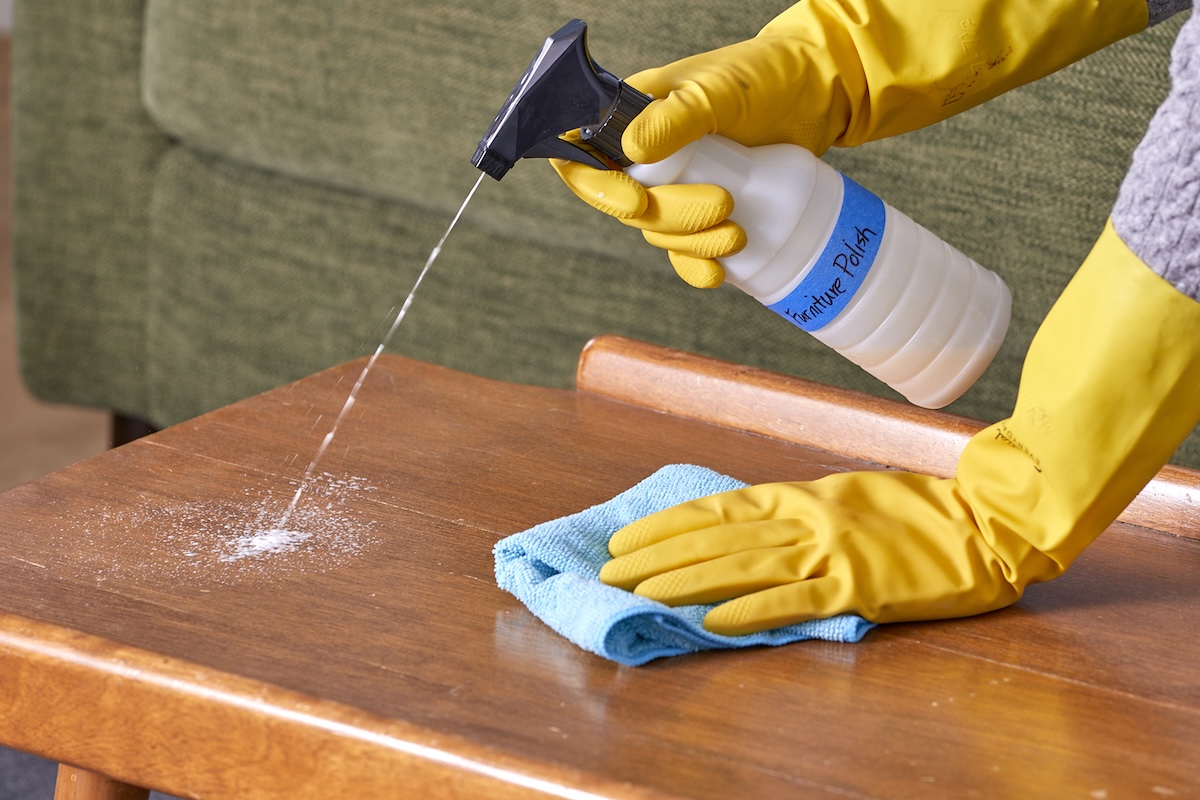
Before applying any cleaner, always test a small, inconspicuous area of your coffee table first, such as the underside or a hidden corner, to ensure there’s no adverse reaction with the finish. Once you’ve confirmed it’s safe, begin by dusting your coffee table thoroughly with a soft, dry microfiber cloth. This removes loose dirt and debris, preventing scratches during the cleaning process. Next, shake your homemade wood coffee table cleaner vigorously to mix the oil and water components. Lightly mist a small section of the coffee table directly with the cleaner, or for more delicate finishes, spray the cleaner onto a clean, soft cloth first.
Using a clean, dry microfiber cloth, gently wipe the sprayed area, moving with the grain of the wood. The goal is to clean and polish simultaneously, so avoid oversaturating the surface. Immediately follow up with a second clean, dry microfiber cloth to buff the area to a shine, removing any excess moisture or oil residue. This buffing action is key to achieving a lustrous, streak-free finish and helps the wood absorb the conditioning oils. Repeat this process section by section until your entire coffee table is clean and gleaming. This careful application of your homemade wood coffee table cleaner ensures your furniture looks its best.

Source: luxaliwooden.com
Understanding Different Wood Finishes and Their Cleaning Needs
Not all wood finishes are created equal, and understanding these distinctions is crucial when using a homemade wood coffee table cleaner. The type of finish dictates how the wood will react to cleaning agents and helps prevent potential damage.
- Sealed Wood (Polyurethane, Lacquer, Varnish): Most modern wood coffee tables have a sealed finish, which creates a protective barrier over the wood grain. These finishes are generally more resilient to moisture and mild cleaning solutions. Our homemade wood coffee table cleaner, with its diluted vinegar and conditioning oil, is typically safe and effective for these surfaces, as the sealant protects the underlying wood. Always remember to wipe dry immediately to avoid water spotting.
- Unsealed or Oiled Wood: These finishes penetrate the wood rather than forming a surface layer, leaving the wood with a more natural feel. They are more susceptible to moisture damage and staining. While the olive oil component of our homemade wood coffee table cleaner can be beneficial for conditioning, the vinegar should be used with extreme caution and heavily diluted, or even omitted, in favor of specialized oil soap designed for unsealed wood. For these tables, regular re-oiling is more important than cleaning with acidic solutions.
- Painted Wood: Painted wood surfaces require the gentlest approach. Strong acids like vinegar can strip or dull paint over time. For painted coffee tables, a very mild solution of warm water with a tiny drop of dish soap is often preferred, followed by thorough drying. Our homemade wood coffee table cleaner is generally not recommended for painted surfaces due to the vinegar content.
- Veneer Wood: Veneer consists of thin layers of wood glued onto a core material. The primary concern here is excessive moisture, which can cause the veneer to lift or bubble. When cleaning veneer, use a very lightly dampened cloth with your homemade wood coffee table cleaner, and always dry immediately. Never allow liquids to pool on veneer surfaces.
Knowing your coffee table’s finish prevents costly mistakes and ensures your homemade wood coffee table cleaner is used appropriately. When in doubt, err on the side of caution and perform a patch test in an inconspicuous area.
Source: legacyintl.org
Maintenance Tips for a Long-Lasting Shine
Maintaining the beauty of your wood coffee table goes beyond occasional deep cleaning; it involves consistent care and preventative measures. Implementing these simple habits will significantly extend the life and luster of your furniture, complementing the benefits of using a homemade wood coffee table cleaner.
- Regular Dusting: Dust frequently with a soft, dry microfiber cloth to prevent build-up that can dull the finish and cause microscopic scratches. Dust contains abrasive particles that can slowly wear down your wood’s protective layer.
- Use Coasters and Placemats: This is perhaps the most crucial preventative measure. Always use coasters under glasses, cups, and bottles to prevent unsightly water rings and condensation marks. Placemats or trivets should be used under hot dishes to protect against heat damage, which can leave permanent white marks.
- Wipe Spills Immediately: Accidents happen, but prompt action is key. Blot spills with a clean, dry cloth as soon as they occur. Allowing liquids, especially acidic ones like juice or alcohol, to sit on the wood can cause stains and damage the finish.
- Avoid Direct Sunlight: Prolonged exposure to direct sunlight can fade and dry out wood finishes, leading to cracking or discoloration. Position your coffee table away from direct sunbeams or use blinds and curtains to filter sunlight during peak hours.
- Maintain Humidity Levels: Wood is sensitive to changes in humidity. Extremely dry conditions can cause wood to crack, while excessive humidity can lead to swelling or warping. Aim to maintain a consistent indoor humidity level, ideally between 40-50%, using a humidifier or dehumidifier as needed.
- Rotate Decorations: Periodically move items placed on your coffee table, such as vases or decorative objects, to ensure even aging and prevent permanent light or dark spots from forming underneath them.
By integrating these maintenance tips with the regular use of your homemade wood coffee table cleaner, you ensure your furniture remains vibrant and durable for generations. Consistent care is the ultimate secret to preserving the elegance of your wood pieces.
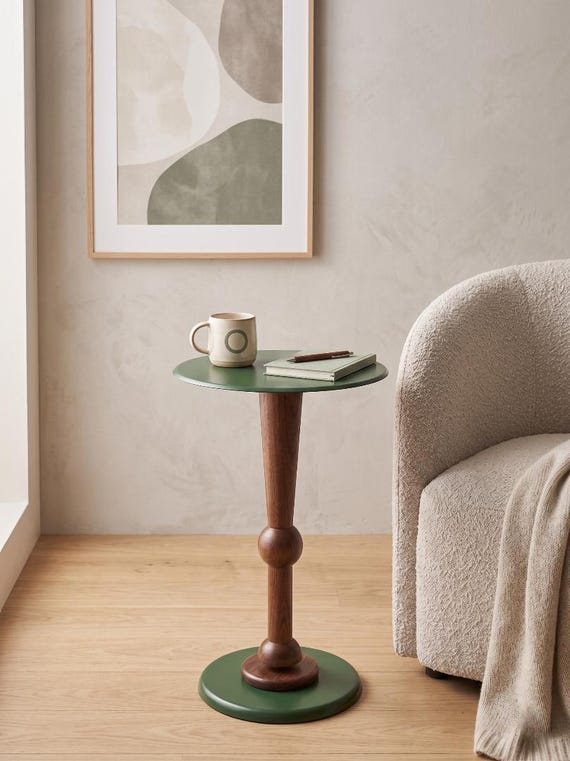
Source: etsy.com
Frequently Asked Questions about Homemade Wood Coffee Table Cleaner
Is vinegar safe for all wood finishes?
Vinegar, when diluted, is generally safe for sealed wood finishes, but it should be used cautiously on unsealed, waxed, or antique wood. Always perform a patch test first to ensure no damage occurs.
How often should I use a homemade wood coffee table cleaner?
For general dusting, once a week is sufficient. For a deeper clean and polish, using your homemade wood coffee table cleaner every 2-4 weeks, or as needed for spills and marks, is appropriate.
Can I use this cleaner on other wooden furniture?
Yes, this homemade wood coffee table cleaner recipe is suitable for most sealed wooden furniture, including dining tables, dressers, and shelves. Always check the finish type and perform a patch test beforehand.
Will the olive oil in the cleaner make my coffee table greasy?
No, when used in the recommended proportions and buffed properly with a clean cloth, the olive oil conditions the wood without leaving a greasy residue. The key is to wipe away any excess.
What if my wood coffee table has deep scratches or dents?
For deep scratches or dents, a homemade wood coffee table cleaner will not repair the physical damage. These issues typically require more intensive methods like wood filler, stain pens, or professional refinishing.
Conclusion
Embracing a homemade wood coffee table cleaner is a rewarding step towards sustainable living and responsible furniture care. By utilizing natural ingredients, you not only protect your beautiful wood pieces from harsh chemicals but also contribute to a healthier environment within your home. The confidence that comes from knowing exactly what goes onto your cherished furniture is invaluable, ensuring its longevity and timeless appeal.
I encourage you to try crafting your own homemade wood coffee table cleaner and experience the difference firsthand. Witness how simple, natural components can restore and maintain the luster of your wooden furniture, turning a routine chore into an act of mindful preservation. Explore more of our resources on natural home care, or share your own cleaning triumphs in the comments below – your insights help our community grow stronger.