A well-planned living room balances comfort, function, scale, light, color, and personal style.
learning how to decorate a living room becomes easier when you treat the space as both a practical gathering place and a visual story. With a clear plan, the right furniture scale, layered lighting, and thoughtful accessories, you can create a room that feels polished without losing warmth.
Start With a Clear Living Room Plan
The best way to decorate a living room is to begin with its purpose. Think about how you use the space each day. A room for movie nights needs a different layout from a formal sitting room, a play area, or a space for reading and conversation.
Write down the activities the room must support. This simple step prevents attractive but impractical choices.
Consider these questions:
• How many people should the room seat?
• Will you watch television or use a fireplace as the focal point?
• Do you need space for children, pets, books, or work?
• Does the room need hidden storage?
• How much natural light enters during the day?
Next, measure the room. Record the length and width, ceiling height, doorways, windows, outlets, vents, and built-in features. A floor plan, even a simple one drawn on paper, can help you test furniture placement before spending money.
I have seen many decorating projects fail because the owner bought a sofa first and planned the room later. The sofa looked beautiful in the store but blocked a door at home. Measuring first is one of the easiest ways to avoid an expensive mistake.
Choose a Functional Living Room Layout
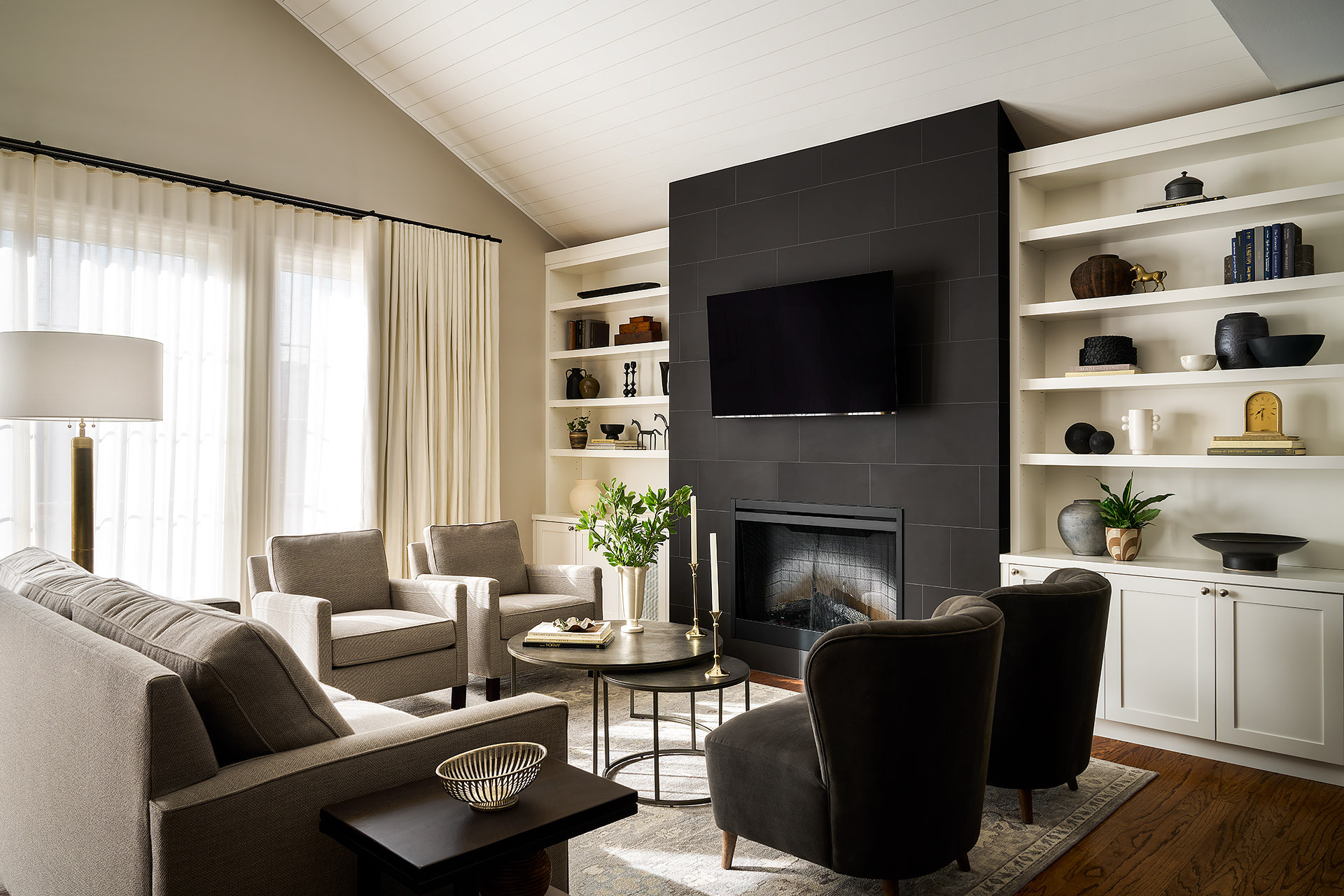
A strong living room layout supports conversation and movement. Arrange seating so people can speak without turning their bodies toward a wall or stretching across a large gap. In most rooms, the main seats should face each other or form an open angle.
Begin with the largest piece, usually the sofa. Then add chairs, tables, and storage around it. Keep the arrangement open enough for people to move naturally through the room.
Useful spacing guidelines include:
• Leave about 30 to 36 inches for main walking paths when possible.
• Keep a coffee table about 14 to 18 inches from the sofa.
• Place seating close enough for easy conversation, often within 8 feet.
• Allow doors, drawers, and cabinets to open fully.
• Keep heating vents and radiators clear.
Do not push every piece against the wall by habit. In a large living room, floating a sofa in the center can define a seating zone and make the room feel more intentional. In a small living room, placing larger items near the walls may preserve valuable floor space.
Create a focal point before adding decoration. A fireplace, window, artwork, media console, or architectural feature can anchor the arrangement. If the room has no strong feature, create one with a large painting, a colorful rug, or a carefully styled bookcase.

Select Furniture With the Right Scale
Furniture scale refers to how large each item looks in relation to the room and to the other pieces. Proportion refers to how those items relate to one another. Both matter when learning how to decorate a living room.
A large sectional may overwhelm a narrow room. A tiny loveseat may look lost in a large open space. The right choice leaves enough breathing room while still making the room feel useful.
Use these tips when selecting furniture:
• Measure the sofa, chair, table, and rug before buying.
• Check the full delivery path, including elevators, stairs, and doorways.
• Mix large, medium, and small pieces for visual balance.
• Choose seats with a depth that suits the users of the room.
• Select durable fabrics if children or pets use the space.
Comfort should guide your choices. Sit on a sofa before buying it, when possible. Test the seat height, cushion firmness, back support, and arm height. A beautiful sofa that causes discomfort will not improve the room.
In my own decorating work, I learned to value seat depth more than showroom appearance. Deep sofas can feel luxurious, but they may be difficult for shorter adults to use without extra pillows. A medium-depth sofa often serves a household more comfortably.
Remember the “one large, one light” rule. If you choose a heavy sofa, balance it with a lighter chair, open-leg table, or glass surface. This keeps the room from feeling visually crowded.

Build a Cohesive Color Scheme
Color creates the emotional tone of a living room. Warm neutrals can feel welcoming, while cool shades may create a calm and airy mood. Rich colors add depth, but they work best when balanced with lighter surfaces.
Start with one main color, one supporting color, and one accent color. You can use the 60-30-10 approach as a flexible guide:
• Use the main color on about 60 percent of the visual space, such as walls, large furniture, or rugs.
• Use the supporting color on about 30 percent, such as curtains, chairs, or cabinetry.
• Use the accent color on about 10 percent, such as pillows, art, and small objects.
This is not a strict formula. It simply helps prevent random color choices.
Test paint in the actual room. Natural light, bulbs, flooring, and nearby colors can change how paint looks throughout the day. Place sample cards or painted boards near windows, corners, and furniture. Observe them in morning, afternoon, and evening light.
You do not need to match every item. Repeating a color two or three times is usually enough to make the scheme feel connected. For example, a soft blue can appear in a rug, a pillow, and a small piece of art.
When you decorate a living room with neutral colors, add variety through texture. Linen, wood, wool, leather, metal, and ceramic can make a simple palette feel rich rather than plain.

Use Lighting in Layers
Good lighting changes how a living room feels and functions. One ceiling fixture rarely provides enough light for reading, entertaining, relaxing, and watching television.
Use three basic layers:
• Ambient lighting provides general brightness through ceiling fixtures, chandeliers, recessed lights, or wall lights.
• Task lighting supports specific activities through floor lamps, table lamps, or reading lights.
• Accent lighting highlights art, shelves, plants, or architectural details.
Place a floor lamp beside a reading chair. Add a table lamp to a console or side table. Use dimmers when possible so you can adjust the mood without changing the entire room.
The color temperature of bulbs also matters. Warm white bulbs often create a relaxed residential feel. Very cool bulbs may feel harsh in a room designed for comfort. Follow the bulb maker’s label and test the light at night before buying several bulbs.
Avoid placing bright lights directly behind a television or where they create glare. Curtains and shades can control daytime brightness while adding softness and privacy.
Lighting is often the last item people consider, but it should be part of the plan from the start. Electrical outlets and switch locations can limit your choices, especially in older homes.

Add a Rug That Defines the Seating Area
A rug can connect furniture and make a living room feel complete. It also adds warmth, absorbs sound, and creates a visual boundary in an open-plan home.
Choose a rug large enough to relate to the seating group. Ideally, at least the front legs of the sofa and chairs should sit on the rug. If the room allows, place all seating fully on the rug for a more unified look.
Avoid a rug that is so small that it appears to float under the coffee table. Small rugs can make a room feel disconnected, even when the furniture is attractive.
Before buying, measure the seating area and mark the planned rug size with painter’s tape. This low-cost test shows whether doors can open and whether the rug leaves enough space around the furniture.
Select material based on daily use:
• Wool is durable, soft, and naturally resilient.
• Cotton is often affordable and easy to clean, but it may wear faster.
• Synthetic fibers can resist stains and suit busy households.
• Natural fibers add texture but may feel rough or require careful cleaning.
Always follow the manufacturer’s care instructions. Professional cleaning can be useful, but regular vacuuming and prompt spot treatment usually protect a rug best.

Layer Texture and Pattern
Texture gives a living room depth. Without it, even a well-chosen color scheme can feel flat. Combine smooth, rough, soft, shiny, and woven surfaces to create balance.
Try adding:
• A wool or woven rug
• Linen or cotton curtains
• Velvet, boucle, or leather accent seating
• A wood coffee table
• Ceramic vessels
• Woven baskets
• Knitted or quilted throws
Patterns should vary in scale. Pair a large geometric pattern with a small organic print and a quiet solid. Using the same pattern size everywhere can make the room feel busy.
A good method is to repeat a pattern color rather than repeat the exact pattern. For instance, a green botanical print can connect with a plain green pillow and a small green object on a shelf.
Do not add texture only for appearance. A basket can store blankets. A tray can organize remotes. Curtains can soften sound and filter light. The most successful decorations look good and solve a small daily problem.

Decorate Walls With Purpose
Wall decor should support the room’s scale and character. One small picture above a large sofa may look lost, while an oversized piece can create a strong focal point.
For artwork above a sofa, choose a piece or group that spans roughly two-thirds of the sofa’s width. Hang it so the center sits near eye level, while keeping the lower edge visually connected to the furniture.
You can use:
• Framed art
• Family photographs
• Mirrors
• Textile wall hangings
• Floating shelves
• Architectural objects
• Collections of smaller prints
A mirror can reflect light and make a room feel larger, but placement matters. Hang it where it reflects a pleasant view, artwork, or natural light. Avoid using a mirror to reflect clutter or a blank wall unless that effect is intentional.
Create a gallery wall by planning the arrangement on the floor first. Keep spacing consistent, even if the frame styles differ. Paper templates taped to the wall can help you see the composition before making holes.
Personal objects make a room feel lived in. Travel pieces, books, handmade ceramics, and family photographs often bring more character than decorations chosen only because they match.

Bring in Plants and Natural Elements
Plants can soften hard lines and add life to a living room. They also introduce natural color and shape. Choose plants based on the light and care you can provide, not only on appearance.
Before selecting a plant, consider:
• The amount of direct and indirect sunlight
• The room’s temperature and humidity
• Your watering routine
• The plant’s mature size
• Safety around children and pets
If natural plants are not practical, use branches, dried grasses, or high-quality artificial stems. Avoid filling every corner with greenery. One large plant beside a window may have more impact than many small plants scattered across the room.
Wood, stone, rattan, and woven materials can also create a natural feeling. These elements work well with both modern and traditional interiors.
Natural materials may vary in color and texture. That variation is a benefit, not a flaw. It prevents the room from looking copied from a catalog.

Make a Small Living Room Feel Larger
Small rooms need careful editing. The goal is not to remove all decoration. The goal is to make each item earn its place.
Use these strategies:
• Choose furniture with visible legs to expose more floor.
• Use one appropriately sized rug instead of several small rugs.
• Select nesting tables or ottomans with storage.
• Use wall-mounted shelves to reduce floor clutter.
• Choose curtains that reach close to the ceiling.
• Repeat light colors to create visual continuity.
• Keep pathways open and easy to follow.
A small sectional can sometimes provide more seating than a sofa and chair combination, but only if its shape fits the room. Armless chairs, slim tables, and storage benches can also save space.
Do not use only tiny furniture in a small room. Too many small pieces can make the room feel crowded. One or two well-scaled larger pieces often look calmer and more useful.
Use visual weight carefully. A dark cabinet may dominate a small wall, while a light wood or glass piece may feel less heavy. This does not mean every item must be pale. It means the room needs a balanced mix.
Decorate a Living Room on a Budget
You can create a strong living room without replacing everything. Start with the items that affect comfort and layout, such as the sofa, lighting, and rug. Then improve the room in stages.
A practical budget plan may look like this:
-
Remove clutter and rearrange existing furniture.
-
Repair, clean, or repaint before shopping.
-
Buy the best sofa you can reasonably afford.
-
Add lighting where the room feels dark.
-
Select a rug that unites the seating area.
-
Add pillows, throws, art, and plants over time.
-
Replace small items only when the room shows a real need.
Paint can create a major change at a lower cost than new furniture. Slipcovers, new hardware, framed prints, and rearranged books can also refresh the room.
Avoid buying a complete matching furniture set. Matching pieces may seem easy, but a mix of shapes and materials usually creates more personality. Shop slowly and keep a record of measurements and colors.
One lesson I often share is to leave part of the budget for the final layer. People spend everything on large pieces and then cannot afford lamps, curtains, or art. Those finishing items often make the room feel complete.
Avoid Common Living Room Decorating Mistakes
Even attractive items can create problems when they are used without a plan. Common mistakes often involve scale, clutter, or poor function rather than a lack of style.
Watch for these issues:
• Buying furniture without measuring the room or delivery path
• Choosing a rug that is too small
• Hanging artwork too high
• Using one harsh overhead light
• Blocking windows, vents, or walking routes
• Placing every chair against a wall
• Using too many unrelated colors
• Filling shelves with objects of the same height
• Ignoring storage needs
• Copying a trend that does not suit the home
A room should feel finished, not filled. After arranging the space, remove a few objects and live with it for several days. This pause helps you notice what is useful and what is only taking up space.
Trends can inspire you, but they should not control your choices. A timeless room usually combines current details with durable materials, personal objects, and a layout that supports real life.
Create a Room That Feels Personal
The most memorable living rooms reveal something about the people who use them. Personal style does not require expensive or rare items. It comes from thoughtful choices and meaningful details.
Display objects that connect to your life. Use books you enjoy, art from local makers, family photographs, or souvenirs from places you have visited. Group similar items together so they feel intentional rather than scattered.
Balance personal items with open space. A room filled with meaningful objects can still feel stressful if there is no visual rest. Leave some shelves and surfaces partly clear.
Think of the room as a conversation. The sofa welcomes people, the lighting sets the mood, the rug gathers the group, and the accessories share your story. When each element has a role, the design feels natural.
Your living room does not need to look like a showroom. It needs to support your habits, reflect your taste, and make you comfortable when you enter it.
Frequently Asked Questions About How to Decorate a Living Room
What should I decorate first in a living room?
Start with the room’s purpose, measurements, and furniture layout. Choose the largest functional pieces first, then add a rug, lighting, wall decor, and accessories.
How do I make my living room look more expensive?
Use good proportions, layered lighting, coordinated colors, and fewer high-quality accessories. Full-length curtains, a properly sized rug, and well-framed artwork can also create a more polished appearance.
What is the best color for a living room?
The best color depends on natural light, room size, furnishings, and personal preference. Test several samples in the room because color can change significantly under different lighting conditions.
Should a living room rug go under the sofa?
Whenever possible, place at least the sofa’s front legs on the rug. This connects the seating area and prevents the rug from looking too small or separate from the furniture.
How can I decorate a living room with limited space?
Choose furniture with the right scale, preserve clear walkways, and use storage that serves more than one purpose. Wall shelves, nesting tables, light-colored surfaces, and visible furniture legs can help the room feel more open.
How many pillows should go on a sofa?
Use enough pillows to add comfort and texture without preventing people from sitting. A standard sofa often works well with three to five pillows in varied sizes and coordinated colors.
Conclusion
Learning how to decorate a living room starts with function, accurate measurements, and a thoughtful layout. From there, build a balanced scheme with comfortable furniture, layered lighting, a properly sized rug, useful storage, personal art, and varied texture.
Decorate in stages rather than rushing to fill the room. Test your choices, keep what supports your daily life, and remove anything that creates clutter. Begin with one small change today, then continue shaping the space until it feels comfortable, practical, and truly yours.