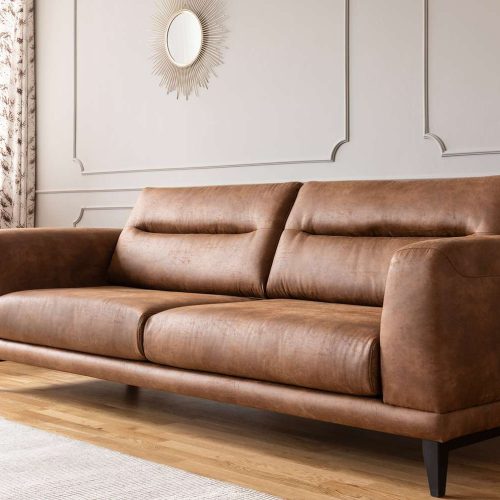
Clean leather sofa, patch-test, apply thin conditioner in sections, let absorb, buff.
You want your couch to stay soft, rich, and free of cracks. This guide shows how to condition a leather sofa the right way with pro steps, smart tools, and field-tested tips from years of caring for premium hides in homes and showrooms. Read on to avoid costly mistakes and learn how small, steady care brings big results.
Why Conditioning Matters for Leather Sofas
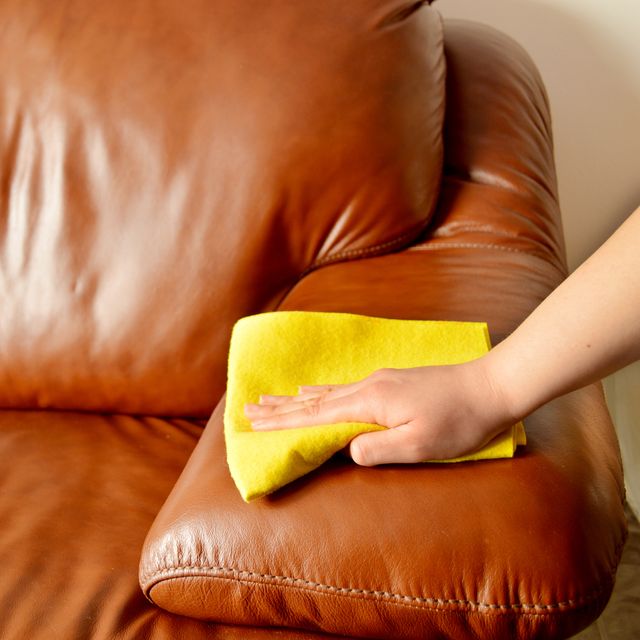
Leather is skin. It loses moisture, fades in sun, and dries with heat. Conditioning restores oils, keeps fibers supple, and adds a soft shield against wear. It also boosts color depth and that smooth hand you notice in high-end pieces.
If you learn how to condition a leather sofa early, you slow aging and prevent cracks. Tannery guidance and industry standards support regular cleaning and water-based conditioning. Done right, your sofa resists stains better and looks richer for years.
Know Your Leather Type
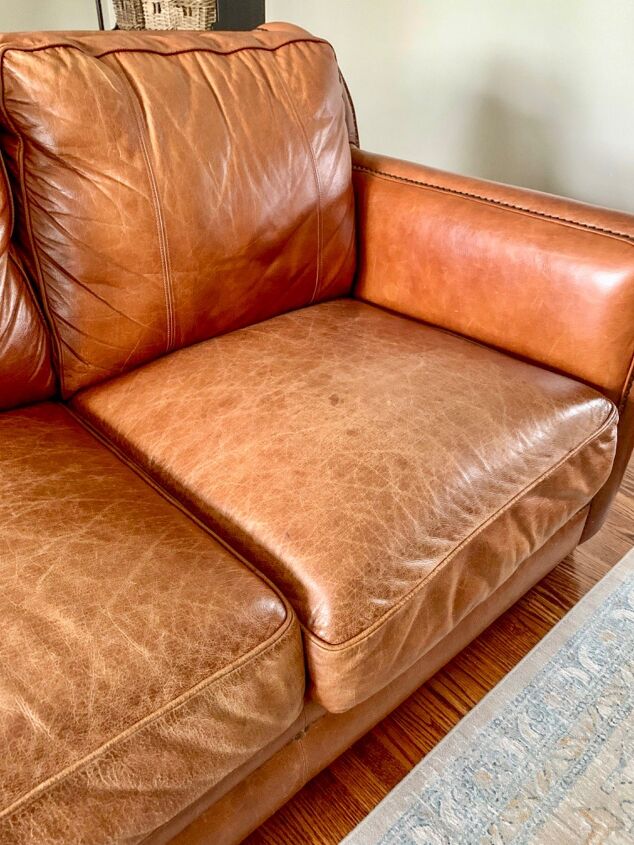
How to condition a leather sofa depends on the leather itself. Start by confirming what you have.
- Aniline leather Very soft and natural. Soaks up liquids fast. Use very gentle, water-based conditioner. Expect some darkening.
- Semi-aniline leather Light protective finish. Takes conditioner well. Test first.
- Pigmented or protected leather Color-coated top layer. Easiest to maintain. Use a pH-balanced cleaner and light conditioner.
- Nubuck or suede Sanded surface. Do not use standard liquid conditioner. Use nubuck protectors and a nubuck cloth.
- Bonded leather Mixed fibers with a coating. Gentle cleaning only. Light protectant may help, but conditioning has limits.
- Faux leather or vinyl Not leather. Skip leather conditioner. Use vinyl-safe protectant.
A quick test helps. Drip a tiny bit of distilled water in a hidden spot. If it soaks in fast, you likely have aniline. If it beads, the finish is protected.

Tools and Products You’ll Need
Gather your kit first. This makes the job fast and clean.
- Vacuum with soft brush Removes grit so you do not rub it into the grain.
- Microfiber cloths At least four. Use separate cloths to clean, apply, and buff.
- pH-balanced leather cleaner Gentle and safe on most finishes.
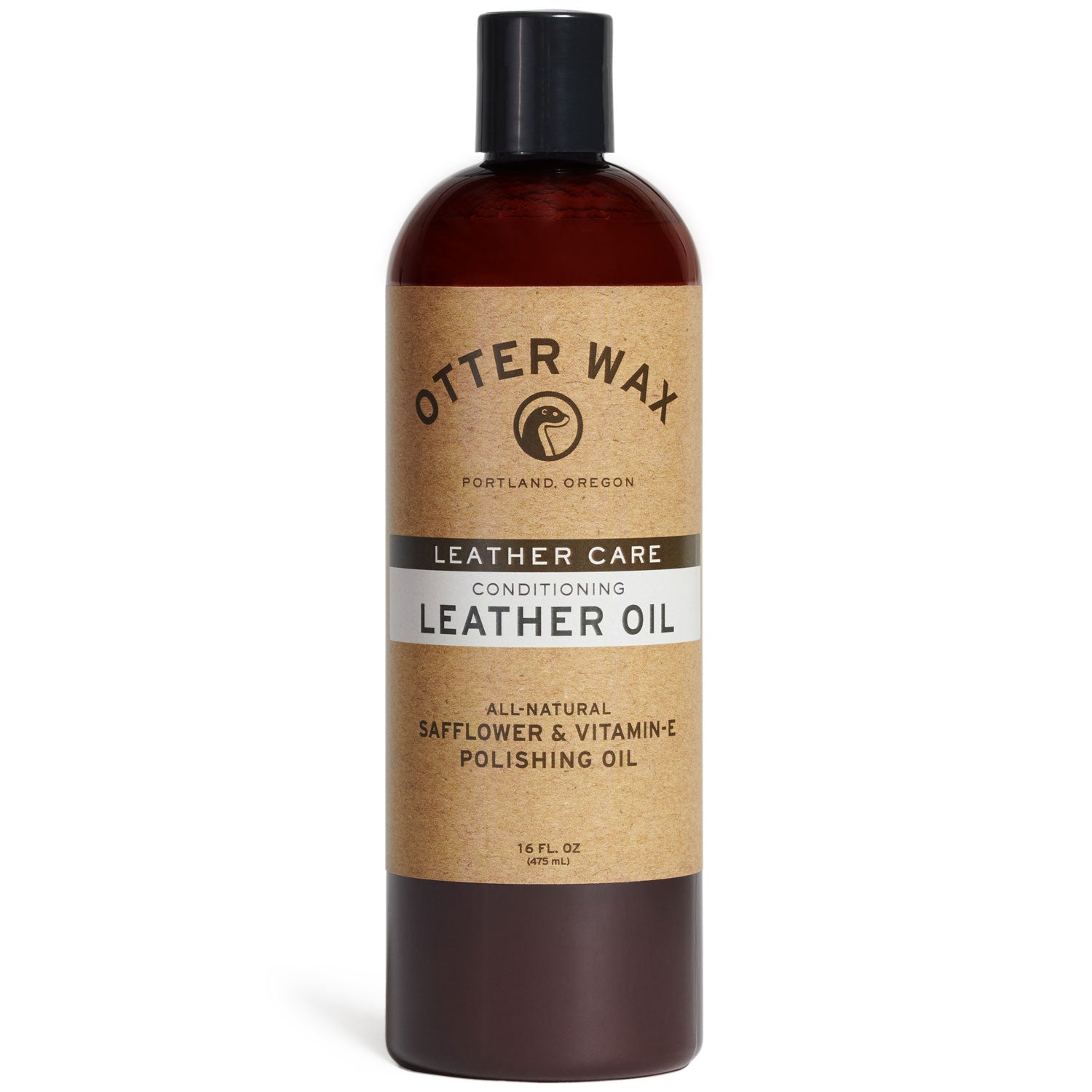
- Water-based leather conditioner No silicone, no heavy oils, low odor.
- Cotton swabs For patch tests in seams or back panel.
- Distilled water Helps avoid mineral spots.
- Soft brush For seams and stitching.
- Nitrile gloves Optional, keeps hands clean.
These are the same tools I use on client pieces. The right setup is half the win for how to condition a leather sofa.
Step-by-Step: How to Condition a Leather Sofa
Follow this simple flow. It is the safe path I use in the field.
- Set the scene Open blinds for good light. Turn off heaters blowing on the sofa. Place a clean drop cloth under the front edge.
- Dry prep Vacuum with a soft brush. Lift cushions if removable. Brush seams to release grit.
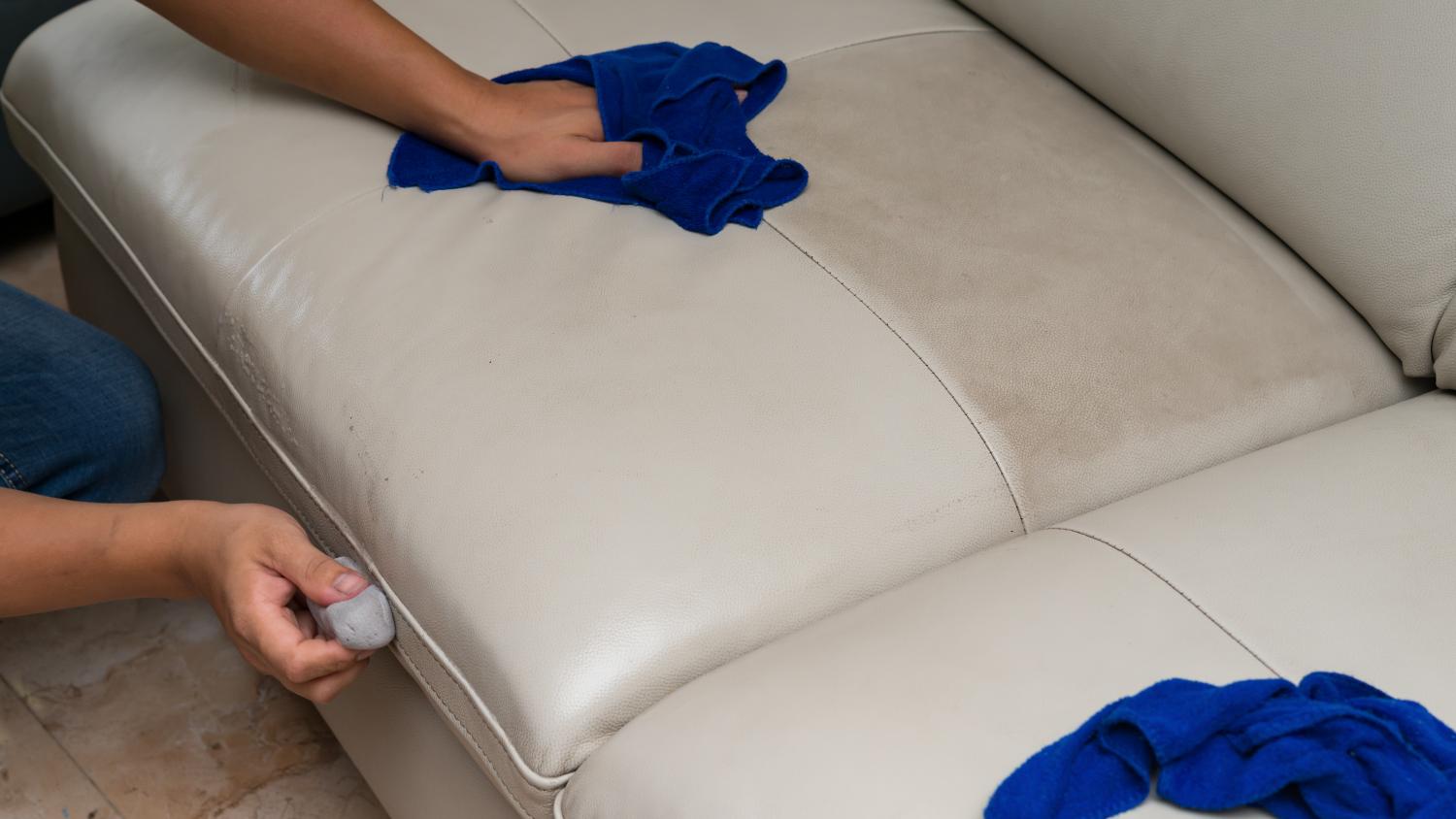
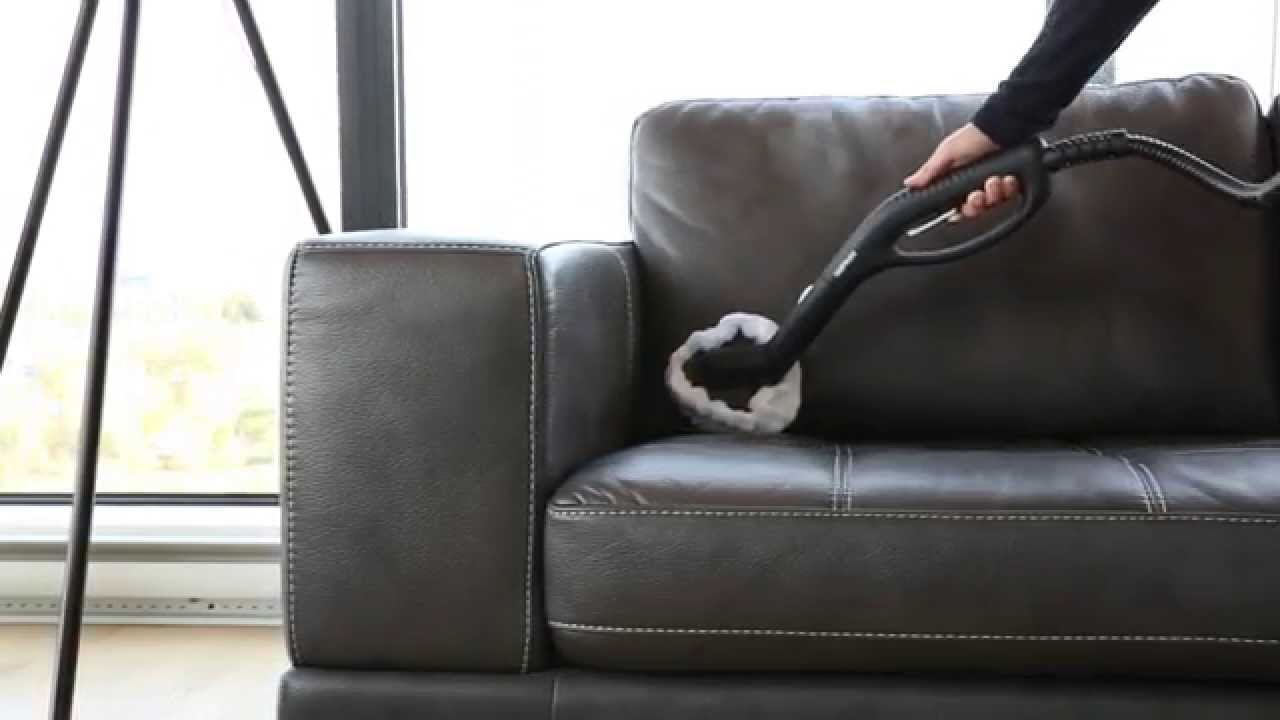
- Clean first Lightly dampen a cloth with distilled water. Wipe dust. Then use a pH-balanced leather cleaner. Work small areas. Wipe dry.
- Patch test Apply a tiny bit of conditioner with a cotton swab in a hidden spot. Wait at least 30 minutes. Best is 12–24 hours if you can.
- Apply thin coats Put a pea-sized amount on a clean cloth. Work in small sections, like one arm or one cushion. Use light, circular moves. Less is more.
- Edges and seams Glide along seams and high-touch zones. Do not flood stitching.
- Dwell time Let it sit for 10–30 minutes so the leather can absorb it.
- Buff to finish Use a dry microfiber cloth. Light, even passes add a gentle sheen and remove excess.
- Cure time Let it rest 8–12 hours before heavy use. Keep it out of sun and heat while it cures.
Pro tip from many sofas saved If the surface feels tacky, you used too much. Add a little cleaner to a cloth, wipe, and rebuff. Two light coats beat one heavy coat. This is the golden rule for how to condition a leather sofa without haze or stick.
If you ask how to condition a leather sofa in a dry climate, run a humidifier nearby during winter. It helps keep moisture balance in the hide.
How Often to Condition and Create a Care Schedule
Frequency depends on use and climate. A busy family room in a dry zone needs more care than a cool guest lounge.
- Light use Condition every 6–12 months.
- Normal use Condition every 3–6 months.
- Dry heat or sun nearby Condition every 2–3 months and rotate cushions monthly.
Spot clean dust weekly. Wipe with distilled water monthly. Keep a simple log. That is how to condition a leather sofa on a schedule that works, not guesswork.

Common Mistakes to Avoid
You can harm leather with good intent. Skip these traps.
- Using kitchen oils like olive or coconut They go rancid, attract dirt, and darken unevenly. Attempting how to condition a leather sofa with cooking oils is a common, costly mistake.
- Baby wipes or all-purpose wipes They are often alkaline and contain additives that dry or stain.
- Heat to speed drying Hair dryers and heaters can crack finish layers.
- Colored or abrasive cloths Dyes can transfer. Grit can scuff the top coat.
- Skipping the patch test Different leathers react in different ways. Always test.
- Over-conditioning Thick coats lead to sticky or cloudy film.
These rules keep finishes safe and color true. They also reflect what tanneries advise and what repairs often fix after DIY errors.
Troubleshooting and When to Call a Pro
Things happen. Here is how to respond fast and safe.
- Sticky surface Wipe with a barely damp cloth and a bit of pH cleaner. Buff dry. If still sticky, a pro may need to deep clean the finish.
- Cloudy haze Lightly rebuff with a dry cloth. If needed, clean and reapply a very thin coat.
- Dark spots on aniline Some darkening is normal after conditioning. If it keeps spreading, stop and call a pro.
- Dye rub-off If color transfers to your cloth, finish may be weak. Stop. Pros can re-topcoat.
- Mold or mildew For protected leather only, wipe with a 1:1 mix of distilled water and 70% isopropyl alcohol on a cloth. Do not soak. For aniline or large areas, call a pro.
If you tried how to condition a leather sofa and it turned sticky or dull, do not add more product. Remove excess, then start fresh with thin coats.
:max_bytes(150000):strip_icc()/how-to-clean-a-leather-sofa-5101190-hero-3fc7d4d9d5a84f0d98925f0d06a1688f.jpg)
Eco and Allergy-Safe Options
You can keep air clean and skin happy while you care for leather.
- Water-based, low-VOC conditioners Fewer fumes, fast cure, gentle on finishes.
- Fragrance-free formulas Better for sensitive users and pets.
- Beeswax and carnauba blends Choose light, breathable blends for protected leather. Avoid heavy wax on aniline.
- Reusable microfiber cloths Wash and reuse to cut waste.
These picks support how to condition a leather sofa with less smell, less mess, and less risk.
Frequently Asked Questions of How to Condition a Leather Sofa
How often should I condition my leather sofa?
Every 3–6 months suits most homes. In dry rooms or with heavy use, plan every 2–3 months.
What is the best type of conditioner to use?
Choose a water-based, pH-balanced leather conditioner. Avoid silicone, heavy oils, or products not made for leather.
Can I use coconut or olive oil to condition leather?
No. They can go rancid, darken leather, and attract dust. Use a dedicated leather conditioner instead.
Will conditioning darken my leather?
Aniline leather may darken a shade, then even out as it dries. Protected leather changes less, but always patch test.
Can I condition faux leather or vinyl?
No. They are not leather and do not absorb oils. Use a vinyl-safe protectant instead.
How long should I wait before sitting after conditioning?
Wait 8–12 hours for best results. This helps the leather absorb and prevents prints or streaks.
What should I do if the sofa feels sticky after conditioning?
You likely used too much. Wipe with a pH-neutral cleaner, buff dry, and use thinner coats next time.
How to condition a leather sofa without store-bought products?
Use only distilled water and gentle leather cleaner for maintenance. For conditioning, a proper leather formula is safest.
Does sun exposure affect conditioning?
Yes. UV dries leather and shortens the life of conditioners. Keep sofas out of direct sun or use UV-filtering shades.
Is a patch test really necessary?
Yes. Leathers vary by dye, finish, and age. A small test prevents big, visible mistakes.
Conclusion
Great leather lasts when you keep it clean, fed, and protected. Now you know how to condition a leather sofa from start to finish, how to pick the right products, and how to avoid sticky, dull results. Work in small sections, use thin coats, and keep a steady schedule.
Set a reminder this week, gather your kit, and give your sofa a light, careful refresh. Share your results, ask questions, or subscribe for more smart home care guides.