Look for metal brackets or clips under seat edges where sections meet.
If you have ever pushed a sectional back together only for it to drift apart, this guide is for you. I’ll show you how to identify sectional sofa fasteners quickly and correctly, using simple checks and clear visuals. By the end, you will know how to identify sectional sofa fasteners on any model, avoid costly mistakes, and source the right replacements with confidence.
What Are Sectional Sofa Fasteners?
Sectional sofa fasteners are the hidden parts that lock each piece together. They keep gaps tight, stop sliding, and protect seams from stress. Most live along the lower seat rails, at the junction where two sections meet.
You will see many names: connectors, clips, brackets, hooks, plates, and pins. They all do one job. They align and secure modules so the sofa acts like one piece. When you learn how to identify sectional sofa fasteners, you can repair, replace, or upgrade them with the right parts.
Source: bedbathandbeyond.com
Tools and Prep for Inspection
You do not need a workshop. A few simple tools help you see and measure well.
- Flashlight or phone light: find parts in dark gaps.
- Small mirror: see the underside without lifting heavy pieces.
- Tape measure or ruler: confirm size, hole spacing, and offsets.
- Painter’s tape and marker: label left, right, and corner pieces.
- Soft blanket or cardboard: protect floors and leather.
- Camera: take clear photos of each fastener from both sides.
Unplug any power recliners before you start. Clear the floor so you can slide pieces apart. This makes it easier to follow how to identify sectional sofa fasteners across the whole layout.
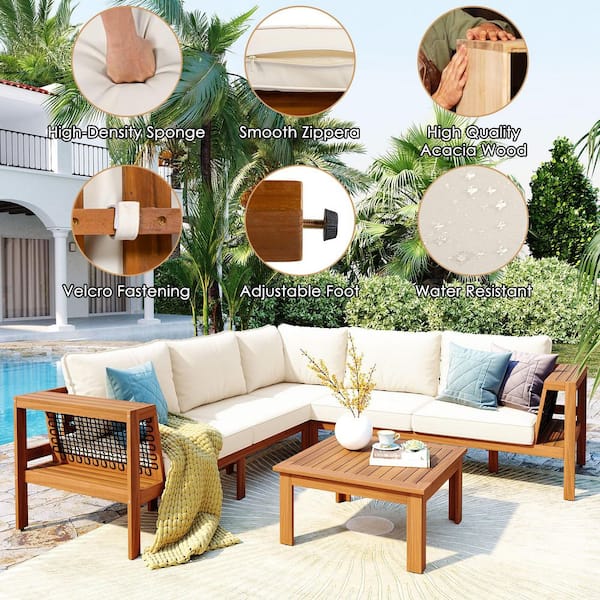
Source: homedepot.com
Where to Look on Your Sectional
Fasteners are almost always near the bottom, close to the front or back seat rails. They can sit flush or hang below by a small tab.
Check these common spots first:
- Along the lower inside edges where two seats touch: look for metal plates or hooks.
- Under the front rail: feel for a lip, claw, or C-shaped clip.
- Under the rear rail: find hook-and-pin sets or interlocking brackets.
- On chaise or corner units: connectors may sit offset to one side.
Tip from the field: run your fingers along the seam line. You will feel a firm metal edge or a slot. That is your fastener. This simple method speeds up how to identify sectional sofa fasteners when space is tight.
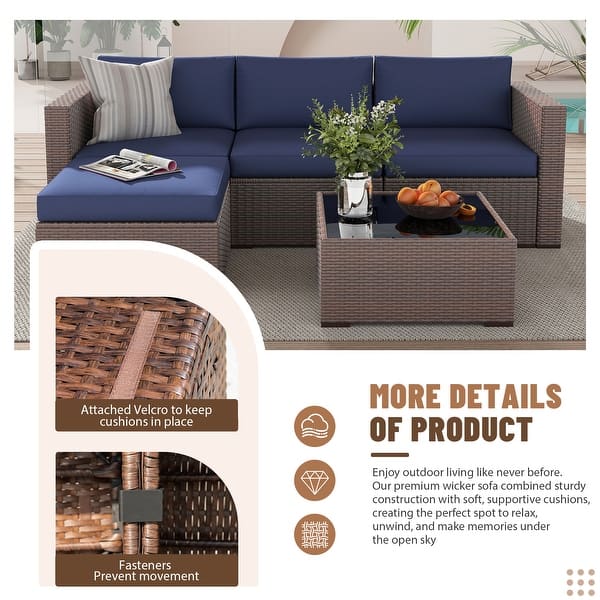
Source: bedbathandbeyond.com
Common Fastener Types and How to Recognize Them
Below are the designs you will see most. Match the shape, feel, and mount points. This is the heart of how to identify sectional sofa fasteners with accuracy.
Interlocking fork or claw brackets
Two plates engage like a fork and slot. One side has a U-shaped claw. The other side has a flat tongue or rail. They click in with a firm push.
Alligator or crocodile clips
These look like two toothed jaws. They bite together from top to bottom. You push down or slide to lock.
Hook-and-pin sets
One side has a round pin or post. The other has a curved hook. You set the hook over the pin and push to seat it.
C-clip under-rail connectors
A C-shaped clip on one seat wraps a mating bar on the other. You lift slightly to release. You feel a side-to-side lock.
Bolt-and-plate joiners
A plate with threaded holes lines up with a bolt or knob from the other seat. You tighten by hand or with a hex key.
Cam locks and keyed plates
A rotating disc locks into a slot. You turn a cam with a screwdriver to engage or release.
Plastic slide locks
Often on lighter frames. Two plastic rails slide together and snap. They are quiet and light but can wear.
Pro tip: paint rubs on metal tell a story. Shiny wear marks show contact points. Use them to map how parts meet. It is a simple shortcut for how to identify sectional sofa fasteners when shapes are unclear.

Source: amazon.com
How to Identify Sectional Sofa Fasteners Step by Step
Follow this simple path. It works for most brands and layouts.
- Map your layout. Note left arm, right arm, armless, corner, chaise. Take one photo per seam.
- Separate sections by one foot. Lift with knees, not your back. Keep pieces level.
- Scan each mating edge. Use a light and mirror. Photograph every plate, hook, or clip.
- Match pairs. Find the mate across the seam. Tongue to slot, hook to pin, rail to claw.
- Measure. Record plate width, height, metal thickness, hole spacing, and offset from the rail bottom.
- Test engage by hand. Dry-fit two pieces while off the floor if possible. Feel for click or slide.
- Label and store data. Use tape on frames. Save photos in a folder per seam.
This repeatable process is the safest way for how to identify sectional sofa fasteners without guesses. It also makes ordering replacements easy.
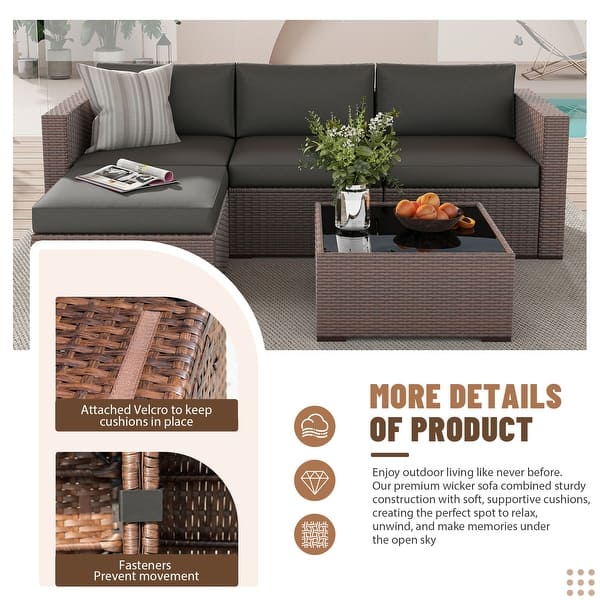
Source: bedbathandbeyond.com
Brand Cues and Model-Specific Clues
Some brands favor certain systems. Use these cues to speed up how to identify sectional sofa fasteners on known lines.
- IKEA: plastic slide locks or simple metal claws; often stamped parts.
- Ashley and La-Z-Boy: heavy steel interlocks under rear rails; clear left/right plates.
- West Elm and Crate & Barrel: low-profile hook-and-pin or cam plates; clean look with minimal drop.
- Modular online brands: bolt-and-plate kits with hand knobs for DIY swaps.
Check model tags under the seats. Take a photo of the SKU and fabric code. Customer care can confirm the exact connector kit if you ask.

Source: amazon.com
Measuring for Replacements and Compatibility
When you know the style, confirm the fit. These are the key dimensions:
- Plate size: total width and height.
- Hole pattern: center-to-center spacing of screw holes.
- Offset: distance from plate bottom to the seam edge.
- Standoff: how far the connector sits below the rail.
- Engagement depth: how far the tongue, hook, or pin enters its mate.
Take clear, square photos with a ruler in frame. Share both sides of the joint. This prevents returns and speeds shipping. It is a small step that matters in how to identify sectional sofa fasteners and get the right part the first time.
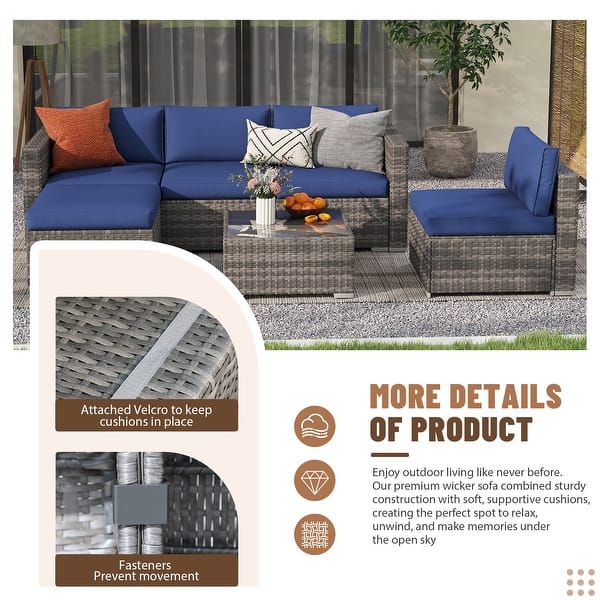
Source: bedbathandbeyond.com
Troubleshooting and Fixes
If parts will not line up:
- Check level. Uneven floors twist frames. Use furniture levelers or shims.
- Clear debris. Fabric wads and staples block engagement. Trim loose threads.
- Tighten frame screws. Loose rails cause misalignment.
- Flip left and right. Some brackets are mirrored.
- Replace bent parts. Use pliers to true a mild bend, but swap if metal is cracked.
If sections still drift, add non-slip pads under feet. They support the fasteners by adding friction. This complements how to identify sectional sofa fasteners with a simple stability boost.

Source: amazon.com
Safety, Care, and Mistakes to Avoid
- Never force a stuck connector. Forcing can split a rail.
- Support both pieces while joining. Lift slightly to level the joint.
- Keep kids and pets away while aligning parts.
- Wear gloves if edges are sharp.
- Do not mix metric and imperial bolts. Threads will strip.
Clean with a dry cloth. Avoid oil sprays. Oils attract dust and loosen friction locks. A tiny dab of dry silicone on a cam is fine, but use sparingly.
Buying and Sourcing Replacements
You have options when a connector breaks or goes missing.
- Contact the maker with photos and the SKU. Ask for the exact kit.
- Visit a furniture hardware supplier. Match by shape and hole pattern.
- Use universal interlocking brackets if originals are discontinued. Choose heavy gauge steel for deep sofas.
- Order extra screws. Match length and head type to avoid frame damage.
Bring your phone photo set and measurements. This is where your work in how to identify sectional sofa fasteners pays off. You will leave with parts that fit and last.
Frequently Asked Questions of How to Identify Sectional Sofa Fasteners
How do I tell if my sectional even has fasteners?
Look for metal parts under the inner seat edges or rails. If you see clean wood with no plates or hooks, your sofa may rely on friction feet only.
What if my connectors are hidden by fabric?
Use a flashlight and feel along the seam for hard edges. A small slit or flap often covers the plate; lift it gently.
Can I mix new and old connectors?
You can if the engagement is the same style and height. Mixing unlike systems can twist frames and cause gaps.
How tight should the sections feel when locked?
They should not rock side to side. A slight front-to-back flex is normal on plush sofas, but gaps should stay closed.
Are plastic fasteners safe for heavy sectionals?
They work on light frames. For deep seats or recliners, choose metal brackets rated for higher load.
What tools do I need to replace a bracket?
A screwdriver or drill, proper screws, and a tape measure are enough. Pre-drill pilot holes to prevent splits.
How often should I check the connectors?
Check every six months or after a big move. Tighten loose screws and clear lint or threads.
Conclusion
Learning how to identify sectional sofa fasteners turns a loose, shifting couch into a solid, clean-lined setup. Start with a careful look, match the connector style, measure with care, and test the fit before you order parts. A few minutes with a light, a mirror, and a camera can save hours of frustration.
Use the steps today. Map your seams, take photos, and confirm measurements. If you found this guide helpful, subscribe for more practical home repair tips or leave a comment with your model and photos for tailored advice.