
Disassemble, pad, label, and secure each piece; lift with help and straps.
Moving a sectional can feel like solving a life-size puzzle. I’ve coordinated dozens of moves and moved my own sectional across tight stairwells and rainy streets. In this guide, I walk you through how to transport a sectional sofa step by step. You will learn the tools, the wrapping method, the loading plan, and the safety checks that make the process smooth and damage-free.

Plan Your Move: Measure, Map, and Prepare
Successful moves start before moving day. If you want to master how to transport a sectional sofa, first measure every piece, doorway, hallway, stair landing, and elevator. Sketch a simple path from the room to the vehicle. Note tight turns, low ceilings, and banisters.
Confirm building rules and elevator reservations. Clear floors and remove rugs along the route. Take photos of your current setup, especially power cords and bracket locations. This will save time during reassembly.
Keep a supply kit ready. You will need moving blankets, stretch wrap, tape, labels, zip-top bags, markers, corner protectors, and straps. Set them where you can reach them fast.

Disassemble the Sectional Safely
Most sectionals separate into modules. Common joiners are metal U-clips, slide latches, and bolts. Lift one seat slightly and look for the connectors. If the back reclines or has power, unplug and secure the cable first.
Use the right tools. Keep a hex key set, screwdrivers, and a ratchet within reach. Bag all hardware by module and label each bag. Mark pieces as LAF (left arm facing), RAF (right arm facing), Corner, Chaise, or Ottoman.
Remove legs if they unscrew easily. This reduces height and helps in tight turns. I once saved an hour in a brownstone by removing four legs before a narrow landing.
Protect Each Piece: Wrapping and Padding
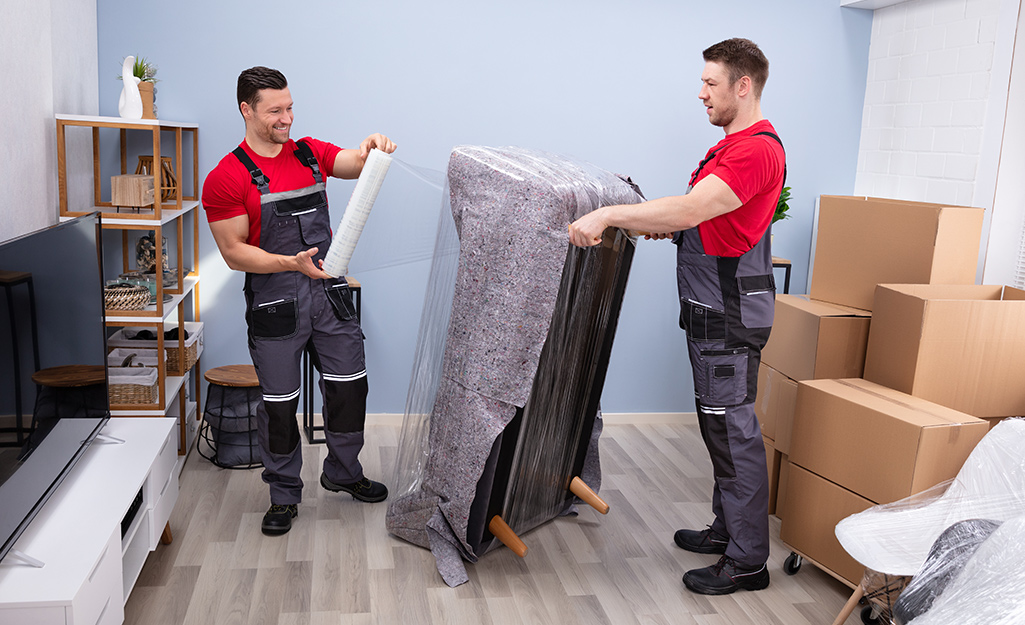
Protection is the difference between a clean move and a costly repair. Start with a moving blanket over each piece. Then wrap with stretch wrap to keep the blanket tight. Never put tape directly on fabric or leather.
Use cardboard or foam on corners and feet. For leather, add a soft blanket layer, then breathable wrap. If rain is likely, add a plastic cover but leave small vents so moisture can escape. Cushions should go in large bags, but do not compress foam for long periods.
Label every module on the wrap. Include its destination room and orientation. This simple step speeds up loading and reassembly.

Tools, Gear, and Helpers You Need
You do not need fancy gear, but a few items make a big difference. I recommend forearm lifting straps or a shoulder dolly for stairs. They reduce strain and improve control.
Have furniture sliders, a four-wheel dolly, and work gloves. Ratchet straps secure pieces in the truck. Rope works in a pinch, but it loosens with bumps. Keep a basic first-aid kit on hand. Most moving injuries come from rushed lifting, not heavy weight.
Aim for two to three helpers. Assign a spotter at doors and ramps. A calm voice and slow pace prevent dents and slips.
How to Transport a Sectional Sofa in a Truck, Van, or SUV
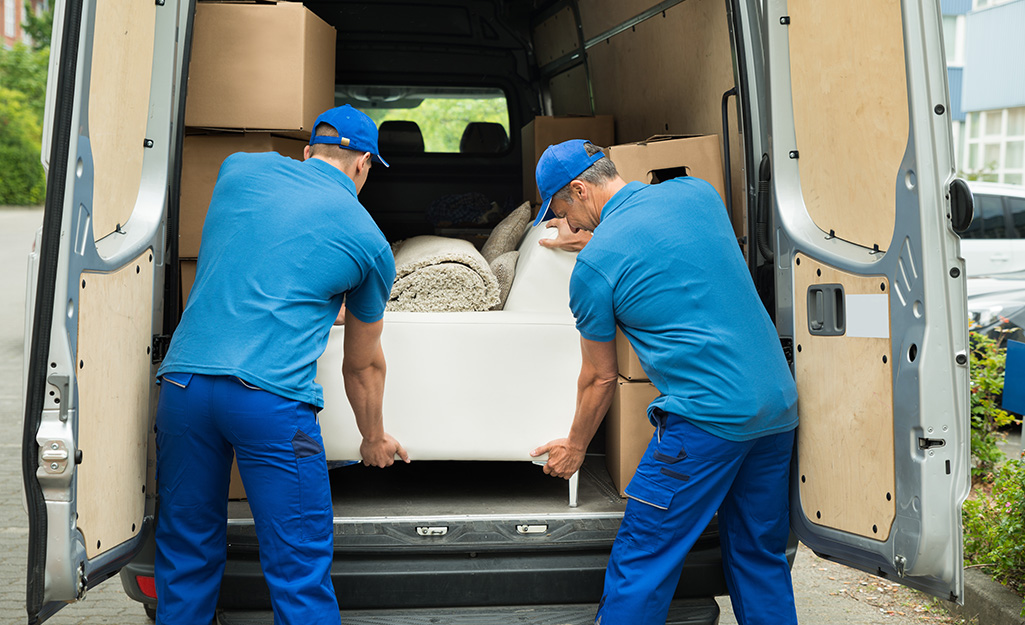
If you want to learn how to transport a sectional sofa without damage, follow a clear loading plan. Load heavy bases first. Place longer pieces on edge, backs to the wall, and protect pressure points with blankets.
In a moving truck, stand pieces upright and strap each one at two heights. Use E-track or tie-down points. Cross straps at a slight angle to stop side movement. Do not stack heavy boxes on arms or cushions.
In a minivan or SUV, fold seats down and measure the opening. Keep modules vertical to save space. In a pickup, strap to factory tie-downs. Use a weatherproof cover and secure it so wind does not lift it. If anything overhangs, attach a red flag and drive slow.
Tight Spaces: Stairs, Elevators, and Doorways
Tight spots are where good plans pay off. Pad door frames and railings. Pop doors off hinges when needed. A few extra minutes here can prevent a deep gouge.
Use the high-low carry on stairs. One mover holds the high end, the other the low end. Communicate each step. On landings, tilt and pivot, not twist and shove. In elevators, stand pieces on edge and hold them steady until doors open.
If the turn is impossible, remove legs or backs if designed to detach. Many modular backs lift up and off once the seat is exposed.
Secure the Load and Drive Smart
Knowing how to transport a sectional sofa also means knowing how to secure it. Use ratchet straps, not bungees. Straps should be snug but not crushing the frame. Check straps again after the first 10 to 15 minutes of driving.
Keep speeds moderate and leave extra braking space. Avoid sudden stops and sharp turns. If you must stop for weather, cover pieces and raise them off wet ground with pallets or boxes. Leather and moisture never mix well.
Reassembly and Post-Move Care
Set modules in the room first, then connect them. Hook U-clips or latches and confirm a tight fit. Adjust levelers on legs so seams are flush.
Reattach power leads and test motion seats. Fluff cushions and steam or brush fabric to relax creases. Wipe leather with a dry cloth, then a light conditioner if needed. A clean, level setup feels like new.
Costs, Timing, and When to Hire Pros
Part of knowing how to transport a sectional sofa is judging when to bring in help. Budget for truck rental, fuel, blankets, stretch wrap, straps, and pads. Supplies are modest, but last-minute runs add up.
Hire pros if you face narrow stairwells, high floors without elevators, or very heavy recliners. White-glove crews carry insurance, tools, and pads. They also navigate rules in large buildings. If you have time, patience, and help, a DIY move can be safe and efficient.
Common Mistakes to Avoid
Do not skip measurements. Guessing door sizes leads to wall scrapes and delays. Avoid taping directly on upholstery. Adhesive can stain or tear fabric.
Do not drag pieces on wood or tile. Use sliders or a dolly. Avoid bungees and worn rope. They stretch under load. Do not over-tighten straps on wood arms. Pressure dents are easy to make and hard to fix.
Eco-Friendly and Storage Tips
Reuse blankets, straps, and boxes when you can. Many rental shops offer blanket bundles that cut waste. Consider renting reusable crates for cushions and decor.
If you must store the sectional, choose climate control for leather. Elevate pieces on pallets to avoid dust and moisture. Wrap with breathable materials instead of sealed plastic for long-term storage. This helps prevent mildew and odors.
Frequently Asked Questions of How to Transport a Sectional Sofa
Can I move a sectional without taking it apart?
Yes, but only in short moves with wide paths. For safety and fewer scratches, disassembly is the better choice in most homes.
What size truck do I need for a sectional?
Most three- to five-piece sectionals fit in a 10- to 15-foot truck. Measure modules to confirm, especially for chaise and recliner pieces.
How do I protect leather during transport?
Wrap leather first with a soft blanket, then secure with stretch wrap. Keep it dry, out of sun, and avoid hard pressure points from straps.
Can a sectional fit in an SUV or minivan?
Often, yes, if you remove legs and load pieces on edge. Measure the hatch opening and interior height before moving day.
Are ratchet straps better than rope?
Yes. Ratchet straps hold tension and resist loosening over bumps. Rope can work, but it needs skill to tie and retighten safely.
Should I pack cushions separately?
Yes. Bag cushions to keep them clean and dry, but avoid long-term vacuum sealing. Label them by seat to speed up setup.
How many people do I need to move a sectional?
Two strong movers can handle most modules. A third person as a spotter adds safety in stairs and tight halls.
Conclusion
Moving a sectional is a project, not a guess. When you follow a clear plan, use pads and straps, and work as a team, you protect both the sofa and your walls. You now know how to transport a sectional sofa with confidence, from disassembly to reassembly and every turn in between.
Make your checklist, gather your gear, and schedule your helpers. Then take it one safe step at a time. If you found this guide useful, share it, subscribe for more practical move tips, or leave a question and I’ll help you plan your route.