Layering decor on an end table involves balancing varying heights, textures, and functions to create visual interest and utility. Mastering the art of how to layer decor on an end table transforms a mere functional surface into a thoughtfully curated display, elevating the aesthetic appeal of your living space. As seasoned interior design enthusiasts, we understand the nuanced principles behind creating a cohesive and inviting look, ensuring your end table not only serves its purpose but also acts as a captivating focal point that tells a story. This comprehensive guide will equip you with the expertise to confidently style your end tables, turning them into miniature masterpieces that reflect your personal style and enhance your home’s ambiance.

Understanding the Foundation: The End Table’s Role
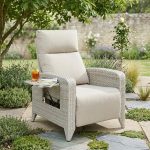
An end table is more than just a place to set your drink; it’s a foundational element in your living room, bridging furniture pieces and offering essential surface area. Its primary role is to provide convenience, holding lamps, remotes, or a beloved book within easy reach. However, when considering how to layer decor on an end table, it also becomes a powerful tool for injecting personality and visual balance into the room. Selecting the right end table, in terms of size and style, is the crucial first step before any layering even begins.
Selecting the Right End Table
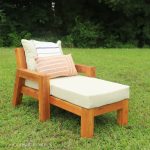
The dimensions of your end table are paramount, as an ill-sized table can disrupt the room’s harmony. It should be roughly the same height as the armrest of your adjacent sofa or chair, allowing for comfortable access to items. Beyond height, consider its scale relative to other furniture; a petite table might get lost next to a large sectional, while an oversized one could overwhelm a cozy nook. The style of the table itself—whether it’s sleek modern, rustic farmhouse, or classic traditional—also sets the stage for the types of decor you’ll layer upon it. For instance, I once helped a client style their living room, and we initially chose a very heavy, dark wood end table for a light and airy space. It immediately felt out of place, demonstrating how critical it is for the table’s material and design to align with the room’s overall aesthetic from the outset.

Source: amazon.com
The Art of Layering: Principles and Elements
Layering decor on an end table is fundamentally about creating visual depth and interest through a careful arrangement of objects. This process hinges on principles like visual balance, ensuring items are distributed harmoniously, and proportion, where each piece relates appropriately to the table and other decor. Incorporating varied textures, a thoughtful color palette, and understanding the functionality of each item are key. The primary elements often include a mix of lighting, stacks of books, unique decorative objects, and touches of nature to bring life to the display.
Establishing Height and Anchor Pieces
To effectively layer decor on an end table, begin by establishing a dominant vertical element. A table lamp, a tall vase with striking branches, or a slender sculpture serves as an anchor, drawing the eye upward and providing essential height. This vertical anchor is crucial for creating dynamism and preventing the end table from looking flat or uninspired. I’ve often seen tables where everything is the same height, and the lack of a tall anchor makes the entire arrangement feel static and unengaging. This foundational height is your starting point for building out the rest of the display.
Introducing Mid-Height Elements
Once your primary height is established, the next step in how to layer decor on an end table involves introducing mid-height elements. These pieces bridge the visual gap between your tall anchor and the lower items, creating a smooth transition. Stacks of books, a framed photograph, or a medium-sized decorative box are perfect examples. They add substance without overwhelming the space.
- How do I create visual flow between tall and short items on an end table? Introduce mid-height objects like stacked books, a small decorative sculpture, or a medium-sized plant to transition smoothly and prevent a ‘stair-step’ appearance, ensuring a cohesive look.
These elements are vital for adding volume and interest at a comfortable eye level, contributing to a well-rounded end table styling.
Grounding with Low-Lying Details
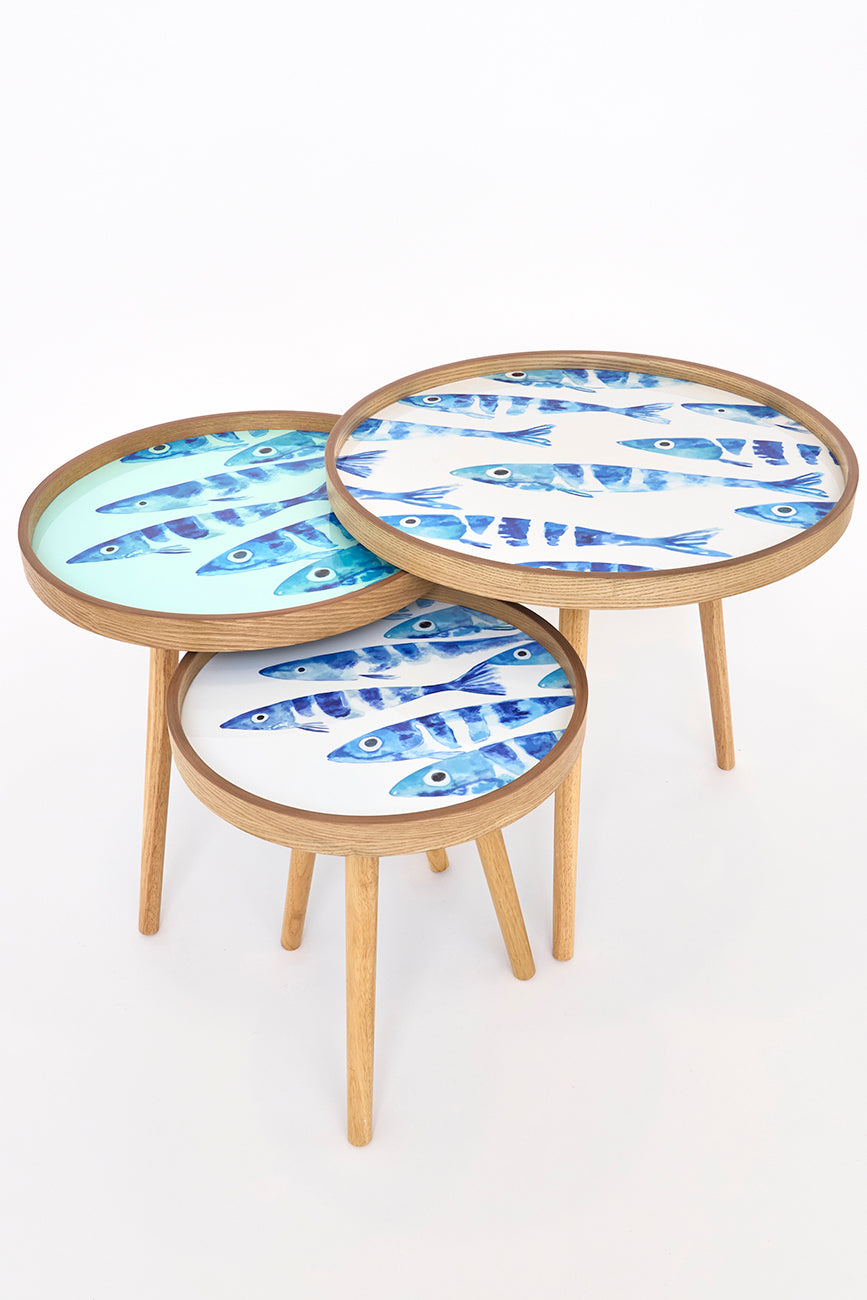
The final layer in your end table decor strategy involves grounding the arrangement with low-lying details. These are often smaller, practical items that bring the display back down to the table’s surface. Think of elegant coasters, a small decorative dish for keys or remotes, or a subtly scented candle. These items not only add texture and color but also ensure the end table remains highly functional.
- What small items are essential for a layered end table? Coasters, a small decorative bowl for keys or remotes, and perhaps a small candle or diffuser are excellent low-lying details that add both function and visual appeal to your end table.
They complete the layering by adding those essential finishing touches, making the end table feel lived-in and thoughtfully arranged.
Source: batela.com
Playing with Texture, Color, and Materiality
The selection of textures, colors, and materials is paramount when you learn how to layer decor on an end table, as these elements infuse personality and depth into your styling. Imagine combining the smooth coolness of a ceramic vase, the rough, organic feel of a wooden coaster, and the soft glimmer of a metallic decorative object. This interplay of textures adds a tactile dimension that invites interaction and visual exploration. Color, whether a harmonious monochromatic scheme or a vibrant contrasting splash, can dramatically alter the mood. Mixing diverse materials like glass, metal, stone, and fabric further enriches the display, preventing it from appearing monotonous and adding sophisticated visual interest.
Incorporating Organic Elements
Integrating organic elements is a powerful technique for bringing life and freshness to your end table decor. A small potted plant, like a succulent or a fern, introduces vibrant greenery and a sense of calm. Fresh flowers in a delicate vase can instantly uplift the space with color and fragrance. Even natural wood elements, such as a sculpted root or a collection of polished stones, contribute an earthy, grounded feel. These natural touches soften the harder lines of other decor and add an essential layer of warmth, making your end table styling feel more inviting and complete.
- How can I add a touch of nature to my end table decor? Integrate fresh flowers in a small vase, a resilient potted plant like a succulent, or natural elements like polished stones or a decorative branch to bring organic warmth and life to your end table styling.

Source: amazon.com
Achieving Balance and Functionality
When considering how to layer decor on an end table, the delicate balance between aesthetics and utility is critical. A beautifully styled end table should never impede its primary function of holding everyday essentials. It’s important to create an arrangement that is visually appealing but also leaves sufficient clear surface space for a coffee cup, a remote, or a book. This concept of “breathing room” prevents the end table from feeling cluttered and ensures it remains a practical asset in your living space. I vividly recall a time I styled my own end table with too many gorgeous trinkets, only to realize I had nowhere to place my evening tea. It was a clear lesson in prioritizing functionality alongside beauty.
Common Mistakes to Avoid When Layering Decor
Learning how to layer decor on an end table also involves understanding what not to do. One of the most common pitfalls is over-decorating, which leads to clutter and makes the table feel overwhelmed rather than curated. Another mistake is neglecting varied heights; without a mix of tall, medium, and low items, the arrangement will appear flat and uninteresting. Ignoring scale and proportion can also be detrimental; a tiny item next to a large lamp will look out of place, as will an oversized object on a small table. Finally, monotony in texture or color can make your end table decor lack depth and visual appeal, failing to engage the eye.
Frequently Asked Questions of How to Layer Decor on an End Table
How many items should I put on an end table?
While there’s no strict number, a common guideline is to use 3-5 items for an engaging arrangement, following the “rule of three” for visual appeal. This allows for layering without overcrowding the end table.
What is the rule of three in decorating?
The rule of three suggests that objects grouped in odd numbers are more appealing, memorable, and visually effective. Applying this to your end table decor helps create natural balance and focus.
Can I mix different decor styles on one end table?
Yes, mixing styles can add depth and personality, but do so thoughtfully by finding common elements like color, texture, or material to create cohesion. This avoids a disjointed look when styling your end table.
How do I ensure my end table decor is functional?
Always leave adequate clear space for everyday items like drinks or remotes, and incorporate practical elements such as coasters or small dishes. The goal is to balance aesthetics with accessibility on your end table.
Should end tables on either side of a sofa be identical?
No, they don’t have to be identical; often, slightly different but complementary end tables add more character and visual interest to a room. Ensure they share a similar height or style to maintain harmony.
Conclusion
Mastering how to layer decor on an end table transforms a utilitarian piece of furniture into a captivating design element. By thoughtfully combining varied heights, textures, and functions, you create a cohesive and visually rich display. Remember to establish an anchor, introduce mid-height interest, and ground your arrangement with practical, low-lying details. Embrace the interplay of different materials and colors, and don’t shy away from incorporating natural elements to bring life to your space. The key lies in achieving balance without sacrificing functionality, ensuring your end table remains both beautiful and useful. We encourage you to experiment with these principles, allowing your personal style to shine through in every curated layer. Share your end table styling journey in the comments below, and inspire others with your creative arrangements!