Cleaning a painted wood coffee table requires gentle methods and appropriate products to preserve its finish without damage.
As someone who has dedicated years to understanding and restoring furniture, I know that a painted wood coffee table is often the centerpiece of a living space, enduring daily use while adding character and style. Maintaining its pristine appearance can feel like a delicate balance, Cleaning Painted Coffee Table as aggressive cleaning methods can easily chip, fade, or strip the paint. This comprehensive guide is designed to equip you with the precise knowledge and practical techniques needed to effectively clean a painted wood coffee table, ensuring its beauty endures for years to come.

Understanding Your Painted Wood Coffee Table
Before embarking on any cleaning regimen, it is crucial to understand the nuances of your painted wood coffee table. The type of paint finish, the age of the piece, and the underlying wood can all influence the best approach to cleaning. A thoughtful approach will always yield superior results and help preserve the integrity of your cherished furniture.
Types of Paint Finishes
Painted wood coffee tables come in a variety of finishes, each with its own characteristics. Matte or chalk paint finishes are often porous and can be more susceptible to stains and water damage, requiring an extra gentle touch. Semi-gloss or high-gloss finishes, on the other hand, are typically more durable and easier to wipe clean, thanks to their protective sheen. Identifying your specific finish helps in selecting the most appropriate cleaning method and products.
Why Gentle Cleaning is Crucial
The painted surface of your coffee table, while beautiful, is a delicate layer over the wood. Harsh chemicals, abrasive scrubbers, or excessive moisture can cause irreversible damage. This includes lifting or peeling paint, discoloration, dulling the finish, or even compromising the wood beneath. From my professional experience, I’ve seen countless painted wood coffee tables damaged by well-intentioned but overly aggressive cleaning. The goal is always to clean effectively without harming the painted surface.

Source: overstock.com
Essential Tools and Supplies for Cleaning
Having the right tools and supplies on hand is the first step toward effectively cleaning a painted wood coffee table. Selecting gentle, non-abrasive items will prevent scratches and preserve the paint finish. Think of these as your delicate instruments for furniture care.
Soft Cloths and Sponges
Microfiber cloths are indispensable for cleaning a painted wood coffee table. Their soft fibers efficiently capture dust and dirt without scratching the surface. For light wiping, a clean, lint-free cotton cloth also works well. Avoid sponges with abrasive scouring pads, as these can easily damage the paint. Opt for soft, non-scratch sponges, especially for spot cleaning.
Mild Cleaning Solutions
The key to cleaning painted wood is mildness. A simple solution of warm water with a few drops of dish soap (like a gentle, pH-neutral brand) is often all you need. For slightly tougher grime, a diluted white vinegar solution (one part vinegar to two parts water) can be effective, but always test it in an inconspicuous area first. Avoid all-purpose cleaners, ammonia-based products, or harsh chemical sprays, as these can strip paint or leave a sticky residue on your painted wood coffee table.
protection Measures
Gathering a few protective items can also be beneficial. A small bucket for your cleaning solution, a spray bottle for controlled application, and an old towel or mat to protect the floor underneath your painted wood coffee table are practical additions. Gloves might be helpful if you have sensitive skin, even with mild solutions.

Source: homedepot.com
Step-by-Step Guide to Routine Cleaning
Regular and routine cleaning is the best defense against stubborn stains and accumulated grime on your painted wood coffee table. This simple process can be integrated into your regular household chores, taking just a few minutes to complete.
- Dusting Regularly: Begin by gently dusting the entire surface of your painted wood coffee table with a dry, soft microfiber cloth. This removes loose dust particles that could otherwise become abrasive when wet, preventing fine scratches. I’ve found that a quick daily dust can prevent a lot of build-up.
- Gentle Wiping: Dampen a second clean microfiber cloth with your mild soap and water solution. Wring out the cloth thoroughly until it is just barely damp, not dripping. Gently wipe down the painted wood coffee table surface, working in small sections. Avoid saturating the table, as excessive moisture can seep into the paint or wood.
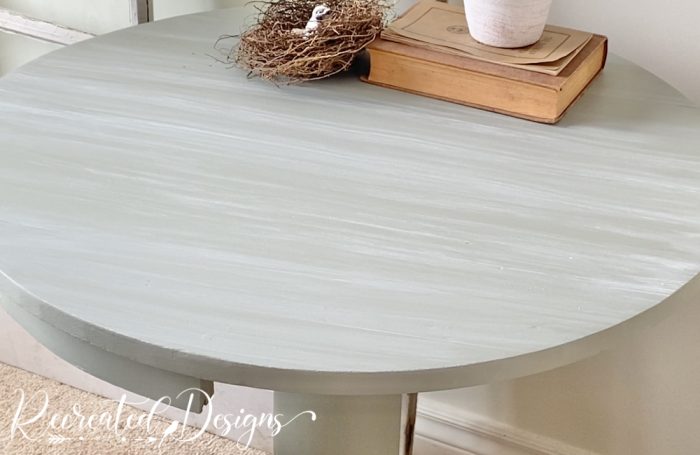
- Drying Thoroughly: Immediately after wiping, use a third clean, dry microfiber cloth to thoroughly dry the entire surface of the painted wood coffee table. Do not let water sit on the painted wood, as this can lead to water spots or damage the finish over time. Ensuring the table is completely dry is a crucial step in preventing moisture-related issues.
Source: recreateddesigns.com
Tackling Stubborn Stains and Marks
Even with regular cleaning, your painted wood coffee table can still fall victim to stubborn stains and marks. Addressing these promptly and correctly is vital to prevent permanent damage. Patience and the right technique are your best allies here.
Water Rings
Water rings are a common nemesis of any coffee table. For fresh water rings on a painted wood coffee table, gently blot them with a dry cloth. If a mark persists, lightly rub a small amount of petroleum jelly or mayonnaise onto the ring, let it sit for a few hours or overnight, then wipe clean with a soft cloth. The oil helps draw out the moisture. In my experience, this often works wonders, but always proceed with caution.
Food Spills and Grease
For food spills or greasy marks on your painted wood coffee table, act quickly. Gently scrape off any solid residue with a credit card edge or a plastic spatula, being careful not to scratch the paint. Then, dampen a cloth with a very diluted dish soap solution and gently dab the stain. Rinse the cloth and dab again to remove soap residue, then dry immediately.
Ink Marks
Ink can be tricky on a painted wood coffee table. Light ink marks might respond to a cotton swab lightly dampened with rubbing alcohol (isopropyl alcohol). Always test this in an inconspicuous area first, as alcohol can strip some paints. Gently dab the ink mark, rather than rubbing, to lift the ink without spreading it. Follow up with a damp cloth and dry.
Scuffs and Minor Abrasions
Minor scuffs on a painted wood coffee table can sometimes be buffed out with a soft cloth and a tiny bit of non-gel toothpaste. Apply a pea-sized amount to the scuff and gently rub in a circular motion with a microfiber cloth. Wipe clean with a damp cloth and dry. For deeper abrasions, you might need a touch-up paint, but for cleaning purposes, gentle buffing is the way to go.

Source: alpinefurniture.net
Maintaining and Protecting Your Painted Wood Coffee Table
Beyond routine cleaning, proactive maintenance and protection are essential for preserving the beauty and longevity of your painted wood coffee table. These habits will minimize future damage and keep your table looking its best with minimal effort.
Regular Polishing
Depending on your finish, a gentle furniture polish designed for painted surfaces can add a layer of protection and shine. Avoid polishes that contain silicone, as they can build up over time and create a sticky residue that attracts dust. I recommend using a cream-based wax or a specific painted furniture polish every few months to nourish the wood and protect the paint on your painted wood coffee table. Always test a small area first to ensure compatibility with your paint finish.
Coasters and Trivets
This might seem obvious, but using coasters under drinks and trivets under hot dishes is paramount. It’s the simplest and most effective way to prevent water rings, heat marks, and scratches from damaging the surface of your painted wood coffee table. This preventative measure significantly reduces the need for intensive cleaning.
Avoiding Harsh Chemicals
Reiterating a critical point: consistently avoid using harsh chemical cleaners, abrasive scrubbers, or furniture sprays not specifically designed for painted wood. These can break down the paint finish, leading to fading, peeling, or a dull appearance over time. When in doubt, stick to warm water and mild dish soap for your painted wood coffee table.
Environmental Considerations
Consider the environment where your painted wood coffee table resides. Extreme temperature fluctuations or direct, prolonged sunlight can also affect the paint finish, causing it to crack, fade, or blister. Position your coffee table away from direct sunlight and heat sources to help maintain its integrity. A stable environment contributes significantly to the overall maintenance of your painted wood coffee table.

Source: homedepot.com
Common Mistakes to Avoid When Cleaning
Cleaning a painted wood coffee table can be straightforward, but certain missteps can quickly lead to irreversible damage. Learning from common mistakes can save you significant effort and potential repair costs.
Over-wetting the Surface
One of the most frequent errors I’ve observed is using too much water. Saturating the painted wood coffee table with water allows moisture to seep into cracks, underneath the paint, or into the wood itself, leading to swelling, blistering, or mold growth. Always wring out your cleaning cloth thoroughly until it is barely damp.
Using Abrasive Materials
It’s tempting to reach for a rough sponge or a harsh scrubbing pad for tough stains, but these are absolute no-gos for a painted wood coffee table. Abrasive materials will scratch the paint finish, leaving permanent marks and potentially exposing the raw wood underneath. Stick to soft microfiber cloths and sponges.
Neglecting Immediate Spills
Procrastination is the enemy of a clean painted wood coffee table. Leaving spills, especially acidic ones like coffee or wine, to dry can lead to permanent stains or etching on the paint. Always wipe up spills immediately with a soft, dry cloth. Quick action is your best defense against lasting damage.

Source: networkcultures.org
Frequently Asked Questions of How to Clean a Painted Wood Coffee Table
How often should I clean my painted wood coffee table?
For general dusting, aim for a few times a week. A more thorough gentle wipe-down with a damp cloth should be done weekly or bi-weekly, depending on usage and any spills.
What if my painted wood coffee table has a sticky residue?
For sticky residue, try gently dabbing with a cloth dampened with warm water and a tiny bit of mild dish soap. For tougher spots, a very small amount of mineral spirits on a cotton swab can be effective, but always test in an inconspicuous area first, then wipe clean and dry immediately.
Can I use a magic eraser on a painted wood coffee table?
While a magic eraser can remove marks, it acts as a very fine abrasive and can dull or remove the paint finish over time. It’s generally not recommended for painted wood surfaces unless used with extreme caution on a hidden spot for specific, very stubborn marks.
How do I protect my painted wood coffee table from future damage?
Consistently use coasters for drinks, trivets for hot items, and placemats for anything that might scratch the surface. Apply a gentle furniture wax or polish specifically designed for painted furniture every few months to add a protective layer.
Is it safe to use Pledge or similar sprays on painted wood?
Many Pledge-type sprays contain silicone, which can build up over time, creating a sticky residue that attracts dust and can be difficult to remove. It’s generally safer to use a product specifically formulated for painted wood or stick to simple soap and water.
Conclusion
Caring for your painted wood coffee table doesn’t have to be a daunting task. By embracing gentle cleaning techniques, using appropriate supplies, and adopting a proactive approach to maintenance, you can effectively preserve its beauty and extend its lifespan. Remember, understanding your table’s finish, acting quickly on spills, and avoiding harsh chemicals are the cornerstones of successful painted wood furniture care. By following these simple yet effective strategies, you can significantly extend the life and beauty of your beloved coffee table. Share your own painted wood coffee table cleaning tips in the comments below, or explore our other guides on furniture care.