Cleaning a solid wood coffee table involves gentle dusting, wiping with a slightly damp cloth, and immediate drying.
A solid wood coffee table is more than just a piece of furniture; it’s often a centerpiece, a gathering point, and an investment that adds warmth and character to any living space. Understanding how to properly clean a solid wood coffee table is paramount to preserving its beauty, Clean Solid Wood Coffee Table integrity, and value for generations. This comprehensive guide will equip you with the expertise needed to maintain your cherished solid wood coffee table, ensuring it remains a stunning focal point in your home.

Understanding Your Solid Wood Coffee Table
Before embarking on any cleaning regimen, it’s crucial to understand the unique characteristics of your solid wood coffee table. Solid wood furniture, by its very nature, responds differently to cleaning agents and environmental factors than veneered or composite pieces. Recognizing the type of wood and its finish is the first step in effective, damage-free maintenance. Different woods, such as oak, cherry, maple, or walnut, possess varying hardness levels and grain patterns, which influence how they interact with moisture and cleaners.
The finish applied to your solid wood coffee table is equally important. Common finishes include lacquer, varnish, polyurethane, oil, and wax. A polyurethane finish, for instance, provides a durable, water-resistant barrier, making it relatively forgiving to clean. In contrast, an oiled or waxed finish penetrates the wood, offering a more natural look but requiring gentler care and periodic reapplication of the finish itself. Improper cleaning methods can strip away these protective layers, leaving the wood vulnerable to moisture damage, stains, and discoloration. It’s always wise to know your table’s specific finish to tailor your cleaning approach accordingly.
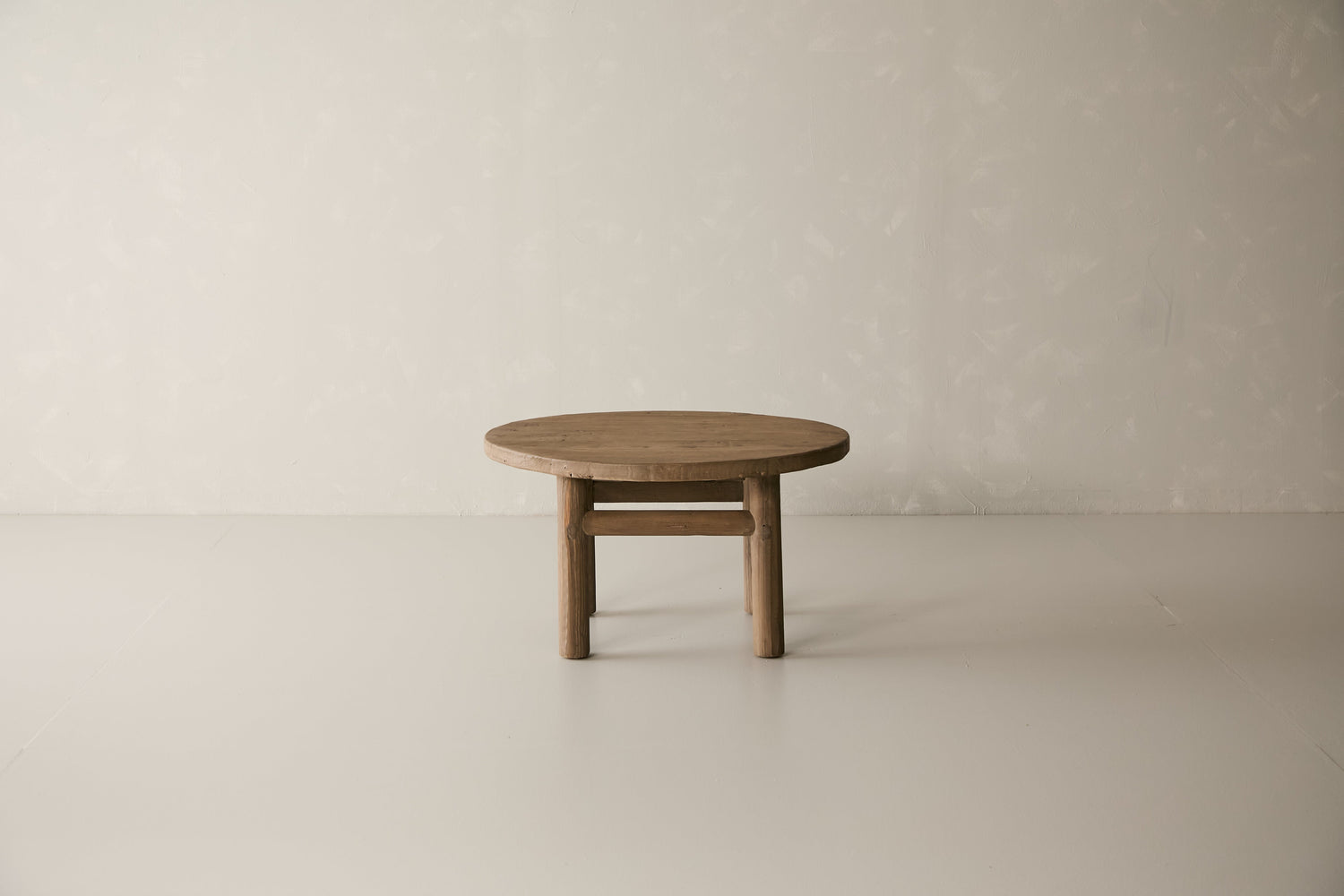
Source: habitathomeandgarden.com
Everyday Cleaning and Dusting
Maintaining the pristine condition of your solid wood coffee table begins with a consistent routine of everyday cleaning and dusting. This simple practice prevents the buildup of abrasive particles that can scratch the finish over time. Dust, composed of tiny environmental debris, acts like sandpaper when wiped improperly across a surface.
To effectively dust your solid wood coffee table, use a soft, lint-free cloth, such as microfiber. For optimal results, slightly dampen the cloth with water or a high-quality, silicone-free dusting spray. The slight dampness helps trap dust particles rather than just pushing them around. Always wipe in the direction of the wood grain to avoid micro-scratches and to pick up dust more efficiently. Avoid using feather dusters, as these tend to redistribute dust rather than remove it. For routine cleaning, a quick daily or every-other-day wipe will keep your solid wood coffee table looking its best, preventing the need for more intensive cleaning later.

Source: tribesigns.com
Deep Cleaning and Stain Removal
While daily dusting keeps your solid wood coffee table looking good, occasional deep cleaning and targeted stain removal are essential for tackling more persistent grime and accidental spills. It’s in these moments that expertise truly comes into play to protect the wood’s integrity. For general deep cleaning, mix a few drops of mild dish soap into a bucket of warm water. Dip a soft cloth into the solution, wring it out thoroughly until it’s barely damp, and gently wipe down the entire surface of your solid wood coffee table. Immediately follow with a clean, dry cloth to remove all moisture. Leaving water on wood, even for short periods, can lead to swelling or watermarks.
Addressing specific stains requires a more nuanced approach.
- Water Rings: These are common on solid wood coffee tables. For fresh rings, a hairdryer on a low setting can sometimes evaporate the moisture. For older, white rings, applying a small amount of petroleum jelly or mayonnaise and letting it sit for several hours, then wiping it away, can often work wonders. The oil in these substances helps displace the moisture in the finish.
- Grease Stains: A paste made from cornstarch and water, applied to the stain and left to dry, can draw out the grease. Once dry, gently brush it off.
- Ink Marks: For ink, dab (do not rub) with a cloth slightly dampened with denatured alcohol, but always test this in an inconspicuous area first, as alcohol can damage some finishes.
- Wax Buildup: Allow wax to harden completely, then gently scrape it off with a plastic credit card. Any residue can often be removed by dabbing with a cloth moistened with mineral spirits, again, after careful spot testing.
It is paramount to always test any cleaning solution or method on an inconspicuous area of your solid wood coffee table first to ensure it doesn’t damage the finish. What works for one type of finish might be detrimental to another.
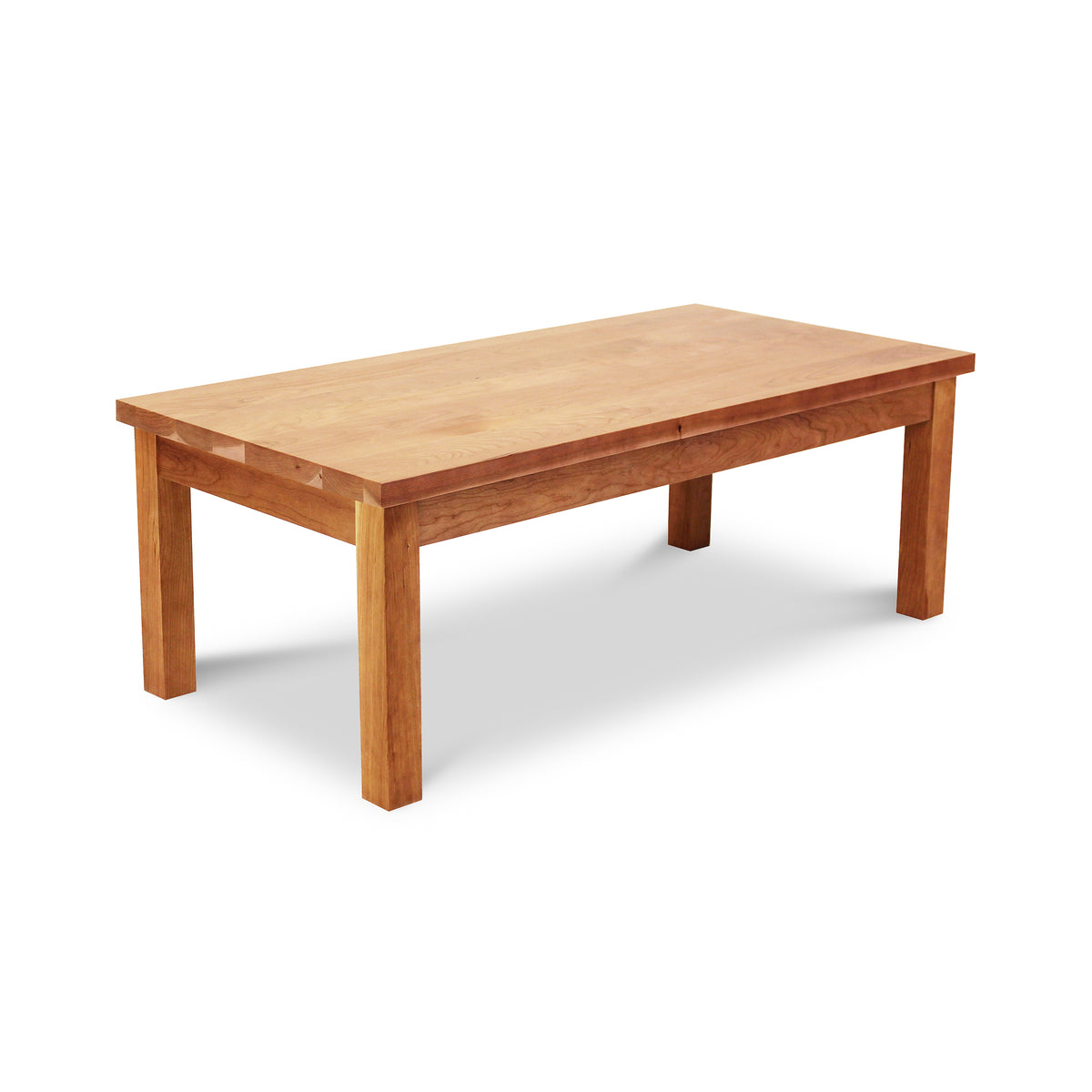
Source: vermontwoodsstudios.com
Protecting and Maintaining Your Solid Wood Coffee Table
Beyond cleaning, proactive protection and regular maintenance are vital for the longevity and beauty of your solid wood coffee table. Prevention is always easier than cure when it comes to preserving wood furniture. Regular use of coasters under beverages is a simple yet incredibly effective way to prevent unsightly water rings and heat marks. Similarly, placing felt pads under decorative items or lamps helps avoid scratches on the delicate surface of your solid wood coffee table.
Periodically, your solid wood coffee table may benefit from re-nourishment or re-protection, depending on its finish. For oiled finishes, reapplication of wood oil every few months or as needed keeps the wood hydrated and resilient. Waxed finishes benefit from a fresh coat of furniture wax once or twice a year, which adds a protective layer and enhances shine. For lacquered or varnished tables, a quality furniture polish (non-silicone based) can offer additional protection and a lustrous sheen, but avoid over-polishing, as this can lead to buildup. Regularly assessing your table for dryness, dullness, or minor scratches will guide you in determining when these protective steps are necessary.

Source: slatecustom.net
Tools and Products for Cleaning Solid Wood
Choosing the right tools and products is fundamental to effectively and safely clean a solid wood coffee table. Using inappropriate materials can cause irreversible damage, so a discerning approach is key.
Essential tools include:
- Soft Microfiber Cloths: These are ideal for dusting and wiping due to their gentle, lint-free nature and ability to trap particles. Keep several on hand.
- Soft Sponges: Useful for applying cleaners, ensuring they are non-abrasive.
- Cotton Swabs or Q-Tips: Perfect for precise application of stain removers in small, delicate areas.
- Plastic Scraper: A credit card or plastic spatula is excellent for carefully removing hardened spills like wax without scratching the wood.
Recommended cleaning products:
- Mild Dish Soap (pH-neutral): A tiny amount mixed with water is a safe, effective general cleaner for most finished solid wood.
- Distilled Water: Using distilled water can prevent mineral deposits or streaks, especially in hard water areas.
- Wood-Specific Cleaners: Opt for products specifically designed for solid wood furniture. Look for formulations that are silicone-free and pH-neutral to avoid residue buildup or finish damage.
- Furniture Polish/Wax: Choose a high-quality polish or wax that is appropriate for your table’s finish. Avoid polishes containing silicone, which can build up and create a hazy film over time.
- Specialty Stain Removers: For specific issues like water rings, products like petroleum jelly, mayonnaise, or commercial wood ring removers can be effective. Always test these first.
Can I use all-purpose cleaner on my solid wood coffee table?
No, it is generally advised to avoid all-purpose cleaners on solid wood coffee tables. These cleaners often contain harsh chemicals, ammonia, or solvents that can strip away the protective finish, dry out the wood, and cause irreversible damage or discoloration. Stick to mild soap and water or wood-specific cleaners designed for furniture.

Source: lowes.com
Common Mistakes to Avoid
Even with the best intentions, improper cleaning practices can inadvertently damage your cherished solid wood coffee table. Being aware of these common mistakes can save you a lot of trouble and expense.
- Using too much water: Excessive moisture is the arch-nemesis of solid wood. Always wring out cloths thoroughly until they are just damp, and immediately dry the surface after cleaning.
- Using harsh chemicals: Cleaners containing ammonia, bleach, abrasive agents, or strong solvents can dissolve finishes, bleach wood, or leave behind a sticky residue. Avoid glass cleaners, bathroom cleaners, and general kitchen sprays.
- Ignoring spills: Letting spills, especially liquids, sit on the table can lead to permanent stains or water damage. Blot them immediately with a clean, dry cloth.
- Rubbing vigorously: When cleaning or removing stains, aggressive rubbing can damage the finish, especially if there are abrasive particles on the surface. Use gentle, even strokes in the direction of the grain.
- Using abrasive cloths or sponges: Steel wool, scouring pads, or rough cloths can scratch even the most durable finishes. Stick to soft microfiber or cotton.
- Direct sunlight exposure: While not strictly a cleaning mistake, direct and prolonged sunlight can fade the wood finish and dry out the wood, leading to cracks. Position your solid wood coffee table away from direct sun or use UV-protective window coverings.
- Over-polishing or using silicone-based polishes: While polish can add shine, too much can lead to a sticky buildup. Silicone-based polishes can also create a dull film over time and make future refinishing difficult.
How often should I clean my solid wood coffee table?
For daily maintenance, dusting should occur several times a week, or whenever you notice visible dust accumulation. A deeper clean with a damp cloth and mild solution should be performed as needed, typically once every few weeks or months, depending on usage and spills.

Source: overstock.com
Frequently Asked Questions of How to Clean a Solid Wood Coffee Table
What is the best daily cleaner for a solid wood coffee table?
For daily cleaning, a soft, dry microfiber cloth is sufficient to remove dust. For slightly more stubborn grime, a very lightly dampened microfiber cloth followed immediately by a dry one works best.
How do I remove white water rings from my solid wood coffee table?
For white water rings, try rubbing a small amount of petroleum jelly or mayonnaise onto the ring, letting it sit for several hours or overnight, then wiping it away. The oil can help pull out the moisture trapped in the finish.
Can I use furniture polish on an oiled solid wood coffee table?
No, traditional furniture polish is not suitable for oiled solid wood coffee tables. Oiled finishes need to be nourished with wood oil, not polished, to maintain their integrity and appearance.
What should I do if I scratch my solid wood coffee table?
For minor surface scratches, you can try rubbing a walnut half into the scratch, as its natural oils can help blend it in. For deeper scratches, specialty wood repair kits or professional refinishing may be required.
How can I protect my solid wood coffee table from future damage?
Protect your solid wood coffee table by consistently using coasters under drinks, placing felt pads under decorative items, and wiping spills immediately. Also, avoid placing the table in direct sunlight or near heat sources.
Conclusion
Maintaining a solid wood coffee table is an act of care that extends its life and preserves its intrinsic beauty. By understanding its specific wood type and finish, adopting a routine of gentle everyday cleaning, and addressing deeper issues like stains with informed precision, you ensure this centerpiece remains a cherished part of your home. Remember that proper tools and products, combined with avoiding common cleaning pitfalls, form the bedrock of effective furniture care. Embrace these practices, and your solid wood coffee table will continue to tell its story and grace your living space for many years to come. For more insights into preserving your home furnishings, explore our extensive library of care guides.