Regular dusting with a soft cloth and addressing spills immediately are key steps to clean a wooden coffee table effectively.
Maintaining the pristine condition of your wooden coffee table is not just about aesthetics; it’s about preserving a cherished piece of furniture that often serves as the centerpiece of your living space. As someone who has spent years perfecting the art of furniture care, I understand the nuances involved in keeping wood vibrant and protected. This comprehensive guide will walk you through the proper techniques, essential products, and expert insights on how to clean wooden coffee table surfaces, ensuring it remains a beautiful and functional addition to your home for years to come.

Understanding Your Wooden Coffee Table’s Finish
Before you even think about how to clean wooden coffee table, it’s crucial to understand what kind of finish your table has. This knowledge is the bedrock of effective and safe cleaning. Different finishes react differently to various cleaning agents and methods, and a misstep here can lead to irreversible damage. From my own experience, I’ve seen countless tables ruined by well-meaning owners who didn’t first identify their table’s protective layer.
Most wooden coffee tables are protected by one of several common finishes:
- Varnish or Lacquer: These are hard, durable, and provide a good seal against moisture and scratches. They often have a noticeable sheen. Cleaning these is generally straightforward, as the finish acts as a barrier.
- Oil Finish: Unlike varnish, oil penetrates the wood, enhancing its natural grain and giving it a soft, matte look. It offers less protection against spills and scratches and requires more regular re-oiling. You need to be gentler when cleaning an oil-finished table.
- Wax Finish: Similar to oil, wax also penetrates and protects, creating a soft luster. It’s relatively easy to repair but can be susceptible to water marks and heat.
- Shellac: A natural resin that provides a warm, amber glow. It’s not as durable as varnish and is particularly sensitive to alcohol and heat.
Identifying your finish might involve a quick visual inspection or, if you’re unsure, testing a small, inconspicuous area with a tiny drop of mineral spirits. If the finish softens or dissolves, it’s likely shellac or lacquer. If it just cleans, it’s probably varnish or polyurethane. For oil or wax, the wood grain will often feel more open and natural. Knowing this detail is paramount to properly how to clean wooden coffee table and avoid causing harm.

Source: walmart.com
Essential Tools and Supplies for Cleaning Wooden Coffee Tables
Having the right arsenal of tools and supplies is half the battle when learning how to clean wooden coffee table effectively and safely. You don’t need a cabinet full of specialized products, but a few key items will make all the difference. Over my career, I’ve experimented with various products, and I’ve settled on a core set that consistently delivers excellent results without risking damage to the wood.
Here’s a list of what you’ll typically need:
- Soft Microfiber Cloths: These are indispensable. They are gentle on surfaces, highly absorbent, and excellent at trapping dust without scratching. Avoid abrasive sponges or rough towels.
- Mild Dish Soap: A few drops of a gentle, pH-neutral dish soap mixed with water can create a mild cleaning solution for general wipe-downs. It cuts through grime without stripping finishes.
- Distilled Water: Using distilled water helps prevent mineral deposits and water spots, especially if you live in an area with hard water.
- Wood Cleaner (Specialized): For deeper cleaning or specific issues, a commercial wood cleaner designed for your table’s finish can be beneficial. Always choose one specifically labeled for finished wood surfaces.
- Wood Polish or Conditioner: These products help restore shine, moisturize the wood, and add a layer of protection after cleaning. They are crucial for maintaining the wood’s health and appearance.
- Soft-Bristle Brush: Useful for getting dust out of carved details or crevices.
- Cotton Swabs: Great for targeting small stains or cleaning intricate areas.
- Protective Gloves: Recommended for certain cleaning agents to protect your hands.
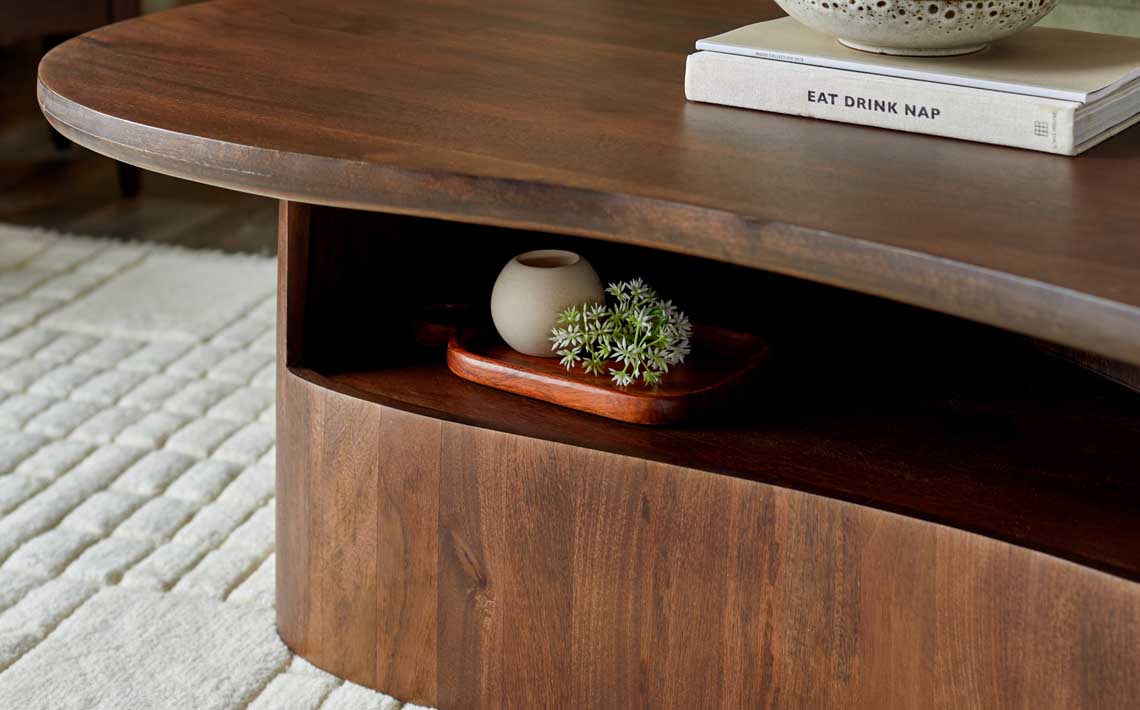
When it comes to my personal preference, I always keep a good quality furniture polish that contains natural waxes readily available. It’s a wonderful all-in-one for regular maintenance after cleaning. Remember, less is often more when it comes to cleaning solutions; a small amount of the right product applied correctly is far better than saturating your wooden coffee table.
Source: danetti.com
General Cleaning: Step-by-Step Guide to Clean Your Wooden Coffee Table
Regular maintenance is the easiest way to keep your wooden coffee table looking its best and prevent the buildup of dirt and grime that can lead to more significant problems. Think of it as a preventative health regimen for your furniture. This step-by-step guide will show you how to clean wooden coffee table surfaces on a routine basis, ensuring its longevity and luster.
- Clear the Surface Completely: Before doing anything, remove all items from your coffee table – books, coasters, decorations, remotes. This ensures you have full access to the entire surface and prevents accidental damage to items or the table.
- Dust Thoroughly: Start by dusting the entire table surface. Use a dry, soft microfiber cloth, wiping in the direction of the wood grain. For carved details or crevices, a soft-bristle brush or a vacuum cleaner with a brush attachment can be very effective. Dust can be abrasive, so removing it first prevents scratching during the next steps.
- Prepare a Mild Cleaning Solution: In a small bowl, mix a few drops of mild dish soap with about two cups of distilled water. This creates a gentle cleaning agent that is effective for most finished wooden coffee table surfaces.
- Wipe Down with a Damp Cloth: Dip a separate clean microfiber cloth into the cleaning solution, then wring it out very thoroughly until it’s just damp, not wet. Excess water is wood’s enemy. Lightly wipe down the entire surface of the table, moving with the wood grain. If you encounter any sticky spots or noticeable grime, you can apply slightly more pressure to those areas.
- Rinse (If Necessary) and Dry Immediately: If you used a slightly stronger solution or have a particularly sensitive finish, you might want to follow up with a second cloth, lightly dampened with plain distilled water, to wipe off any soap residue. The crucial step is to immediately dry the table completely with a third clean, dry microfiber cloth. Do not allow any moisture to sit on the wood surface, as this can lead to water spots or damage.
- Apply Wood Polish or Conditioner (Optional but Recommended): Once the table is thoroughly dry, you can apply a wood polish or conditioner. Follow the product’s instructions carefully. Typically, you’ll apply a small amount to a clean, soft cloth and then wipe it onto the table, again moving with the grain, until absorbed and buffed to a gentle shine. This step not only enhances the table’s appearance but also provides a protective layer.
By following these simple steps regularly, you’ll find that knowing how to clean wooden coffee table becomes second nature, and your table will continue to be a source of pride in your home.

Source: walmart.com
Tackling Common Stains and Issues on Wooden Coffee Tables
Even with the best regular cleaning practices, life happens. Spills, heat, and general mishaps can leave behind stubborn stains on your wooden coffee table. Learning how to clean wooden coffee table effectively involves knowing specific techniques to address these common issues without damaging the finish. Here are some of the most frequent problems I’ve encountered and my trusted methods for dealing with them.
- Water Rings (White Marks): These are perhaps the most common and frustrating marks on wooden tables. They occur when moisture gets trapped under the finish.
- Method 1 (Mayonnaise/Petroleum Jelly): Apply a small dollop of mayonnaise or petroleum jelly to the water ring. Let it sit for several hours, or even overnight. The oil helps draw out the moisture. Wipe it away with a clean cloth and buff the area.
- Method 2 (Hair Dryer): Hold a hairdryer on a low setting a few inches above the water mark. Move it constantly to avoid overheating one spot. The gentle heat can help evaporate the trapped moisture.
- Method 3 (Iron with Cloth): Place a clean, dry cotton cloth over the water ring. Briefly touch a warm (not hot) iron to the cloth for a few seconds. Lift, check, and repeat if necessary. Be extremely careful not to leave the iron in one spot too long, as it can scorch the wood.
- Food and Beverage Spills:
- Immediate Action is Key: For fresh spills, blot (don’t rub) immediately with a clean, dry cloth.
- Mild Soap Solution: For dried or sticky spills, use the mild dish soap solution described in the general cleaning section. Dampen a cloth, gently wipe the area, and dry immediately.
- Grease Stains:
- Cornstarch or Talcum Powder: For fresh grease, sprinkle a generous amount of cornstarch or talcum powder over the stain. Let it sit for 30 minutes to an hour to absorb the grease. Brush it away and then wipe the area with a damp cloth, drying immediately.
- Mineral Spirits (Use Caution): For older, stubborn grease stains on a durable finish (like varnish), a very small amount of mineral spirits applied to a cloth and gently rubbed on the stain can work. Always test in an inconspicuous area first and use sparingly, wiping off immediately.
- Ink Marks:
- Rubbing Alcohol (Use Extreme Caution): Ink can be tricky. On certain durable finishes (not shellac or oil finishes!), you can try dabbing a cotton swab very lightly dampened with rubbing alcohol onto the ink mark. Work quickly and in a tiny area, then immediately wipe with a damp cloth and dry. This is a last resort and can strip some finishes.
- Heat Marks (Cloudy Areas): Similar to water rings, but caused by heat. The mayonnaise or petroleum jelly trick can sometimes work here too. If not, professional refinishing may be required.
Always remember to test any stain removal method on an inconspicuous area first, such as the underside or back of the table. Patience and a light touch are your best allies when learning how to clean wooden coffee table and remove specific stains.

Source: nuemaliving.com
Restoring Shine and Protecting Your Wooden Coffee Table
Once you’ve mastered how to clean wooden coffee table and removed any stubborn stains, the next step is to restore its natural beauty and protect it from future damage. This involves more than just cleaning; it’s about nourishing the wood and creating a barrier against daily wear and tear. I’ve found that consistent protection is the secret to a long-lasting, beautiful wooden coffee table.
Here are key steps to restore shine and provide ongoing protection:
- Understand the Difference: Polish vs. Conditioner:
- Wood Polish: Typically contains waxes, silicones, or oils that create a glossy, reflective surface. It can make the wood look shinier but doesn’t necessarily nourish it. Some polishes can build up over time.
- Wood Conditioner: Designed to moisturize the wood, preventing it from drying out and cracking. Many conditioners contain natural oils (like lemon oil or linseed oil) that penetrate the wood, bringing out its natural luster and protecting it from within.
- My Recommendation: For most finished wooden coffee tables, a good quality wood conditioner is preferable as it offers both nourishment and a protective sheen without excessive buildup.
- Applying Polish or Conditioner:
- Ensure the table is completely clean and dry.
- Shake the product well.
- Apply a small amount to a clean, soft microfiber cloth. Do not apply directly to the table, as this can lead to uneven application.
- Wipe the product onto the table surface, moving with the grain of the wood. Use long, even strokes.
- Allow the product to penetrate for a few minutes (check product instructions).
- With a separate clean, dry microfiber cloth, buff the surface until you achieve an even shine and all excess product is removed.
- Repeat this process every few months, or as needed, depending on the product and how frequently your table is used.
- Applying Protective Waxes or Oils (for specific finishes):
- If your table has an oil or wax finish, regular reapplication of the appropriate oil or wax is essential for protection and shine. These finishes require more frequent maintenance than varnished tables. Follow the manufacturer’s specific instructions for reapplication.
- Implementing Preventative Measures: This is arguably the most important aspect of protecting your wooden coffee table. An ounce of prevention is worth a pound of cure!
- Use Coasters and Placemats: This is non-negotiable. Always use coasters under drinks to prevent water rings and placemats under hot dishes to prevent heat marks.
- Avoid Direct Sunlight: Prolonged exposure to direct sunlight can fade and dry out wood finishes. Position your table away from direct sun or use curtains/blinds.
- Maintain Stable Humidity: Extreme fluctuations in humidity can cause wood to expand, contract, or crack. A humidifier or dehumidifier can help maintain a stable environment, especially in extreme climates.
- Wipe Spills Immediately: Don’t let anything sit on your table. Blot up spills as soon as they happen.
- Long-Term Care Strategies: Beyond cleaning and polishing, consider rotating decorative items to avoid uneven fading, and periodically checking for loose joints or small scratches that can be addressed before they worsen.
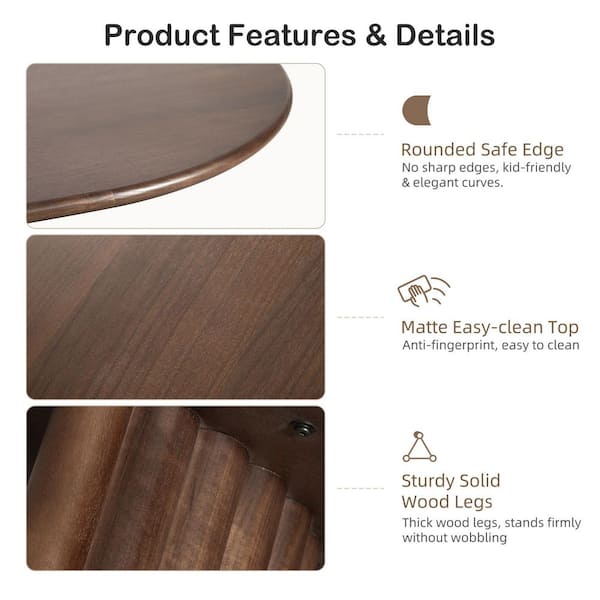
By consistently applying these techniques for how to clean wooden coffee table and protect it, you’re not just maintaining an object; you’re preserving a story and a focal point of your home.
Source: homedepot.com
Mistakes to Avoid When Cleaning Your Wooden Coffee Table
When learning how to clean wooden coffee table surfaces, knowing what not to do is just as important as knowing what to do. I’ve witnessed numerous instances where well-intentioned cleaning efforts inadvertently caused more harm than good. Avoiding these common pitfalls will save you from potential costly repairs or irreversible damage to your cherished furniture.
Here are the critical mistakes to steer clear of:
- Using Harsh Chemical Cleaners: This is perhaps the biggest offender. Products containing ammonia, bleach, silicone, or abrasive ingredients can strip the finish, dry out the wood, or leave a cloudy residue. Kitchen and bathroom cleaners are generally too aggressive for wood. Always opt for cleaners specifically formulated for wood.
- Excessive Water or Wet Cloths: Wood and water do not mix, especially for prolonged periods. Overly wet cloths can seep moisture into the wood, leading to swelling, warping, bubbling of the finish, or permanent water stains. Always wring out cloths thoroughly until they are just damp, and dry the surface immediately.
- Abrasive Materials: Never use scouring pads, steel wool, or rough sponges to clean your wooden coffee table. These materials will scratch and damage the finish, leaving unsightly marks that are difficult to repair. Stick to soft microfiber cloths.
- Ignoring Spills: Allowing spills, especially those from liquids like water, alcohol, or acidic beverages, to sit on the wood for any length of time is a recipe for disaster. The longer they remain, the higher the chance of them penetrating the finish and causing permanent stains or damage. Always blot spills immediately.
- Not Testing Products First: Before applying any new cleaner, polish, or stain remover to the entire surface, always test it on an inconspicuous area first. This could be the underside of the table or a hidden spot. This step allows you to see how the finish reacts without risking visible damage.
- Using All-Purpose Cleaners: While convenient for other surfaces, all-purpose cleaners are rarely suitable for finished wood. Their formulations are often too strong and can strip the protective layer from your table.
- Applying Too Much Polish: Over-polishing or applying too much product can lead to a sticky residue that attracts dust and dirt, creating a dull, hazy film over time. Use polish sparingly and buff thoroughly.
- Rubbing Against the Grain: When wiping or cleaning, always try to work with the wood grain. Rubbing against it can push dirt into the grain or make minor scratches more noticeable.
By being mindful of these common errors, you can confidently how to clean wooden coffee table while ensuring its beauty and integrity are preserved.
Frequently Asked Questions of How to Clean Wooden Coffee Table
How often should I clean my wooden coffee table?
For general dusting, aim for once a week. A deeper clean with a damp cloth and mild solution can be done monthly or as needed, depending on usage and spills, to keep your wooden coffee table pristine.
Can I use glass cleaner on my wooden coffee table?
No, you should avoid using glass cleaner directly on your wooden coffee table. Many glass cleaners contain ammonia, which can strip the finish, dry out the wood, and potentially cause discoloration over time.
What should I do about a sticky residue on my wooden coffee table?
For sticky residue, try using a slightly damp cloth with a few drops of mild dish soap. Gently wipe the area, then immediately dry with a clean, soft cloth. For very stubborn spots, a small amount of mineral spirits on a cloth can work for durable finishes, but always test first.
How do I remove scratches from my wooden coffee table?
Minor scratches can often be camouflaged using a wood touch-up marker, a walnut rubbed into the scratch, or commercial scratch repair kits. For deeper scratches, professional repair or refinishing may be necessary to restore your wooden coffee table.
Is it okay to use water directly on a wooden coffee table?
No, you should never use excessive water directly on your wooden coffee table. Water can penetrate the finish, causing swelling, warping, and permanent water rings or stains. Always use a cloth that is just barely damp and dry immediately.
Conclusion
Maintaining the beauty and integrity of your wooden coffee table is a rewarding endeavor that extends its life and keeps it a focal point in your home. By understanding its finish, utilizing the right tools, and applying a consistent cleaning regimen, you can confidently how to clean wooden coffee table effectively and prevent common issues. Remember, a little proactive care goes a long way in preserving the warmth and character that wood furniture brings to your space.
Now that you’re equipped with comprehensive knowledge, take the next step towards preserving your table’s elegance. Implement these cleaning tips and preventative measures today, and share your own experiences or tips in the comments below. Let’s keep our wooden coffee tables looking their absolute best!