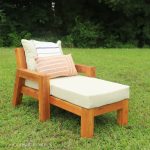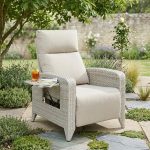
A chaise lounge chair can do more than provide a place to sit. It can define a quiet reading spot, soften a large living room, or add comfort to a bedroom. The key is to treat the chaise as part of the room plan, not as a piece that sits alone.
When learning how to decorate with a chaise lounge chair, start with function and traffic flow. Think about where people walk, where daylight enters, and where you want the eye to rest. From there, use color, scale, texture, and light to build a balanced setting around the chair.
1. Choose the Right Place for Your Chaise Lounge
The best location depends on how you plan to use the chaise. A living room chaise may face a window, fireplace, or media area. A bedroom chaise can sit near a window or at the foot of the bed. In either case, leave enough room for people to move around it with ease.
A chaise should feel useful from the first day. Avoid placing it where a door must swing into it or where it narrows a main walkway. Before you buy or move one, measure the chair and mark its footprint on the floor with painter’s tape.
- ✦ Living room
Place the chaise near the main seating group or use it to form a separate reading zone.
- ✦ Bedroom
Use the chaise beside a window, along an open wall, or near the foot of the bed when space allows.
- ✦ Home office
Create a small break area where you can read or rest without leaving the room.
- ✦ Open-plan room
Use the chaise to help define one zone without adding a tall divider.
Keep Traffic Paths Clear
Good furniture placement starts with movement. People should be able to walk past the chaise without brushing against it. Keep doors, drawers, and other furniture easy to use. The exact clearance depends on the room, but a clear and natural path should always guide the layout.
- ✦ Check the entry path
Make sure the chaise does not create a tight turn near a door or hallway.
- ✦ Test the view
Sit in the chair and check what you see before you finalize its position.
2. Build a Balanced Seating Area Around the Chaise
A chaise often looks best when it has visual support nearby. You can pair it with a sofa, accent chair, ottoman, or small table. The goal is not to make every piece match. The goal is to make the group feel connected.
When deciding how to decorate with a chaise lounge chair, think about the room as a conversation between shapes. A long chaise can balance a compact round table. A curved chaise can soften a room with many straight lines. Repeating one color or material can also tie the pieces together.
- ✦ Pair it with a sofa
Use the chaise as part of a larger seating group while keeping the main walkway open.
- ✦ Add an accent chair
Place a smaller chair across from or beside the chaise to create a simple reading or conversation zone.
- ✦ Use a small table
A side table gives the chaise a practical place for books, a lamp, or a drink.
- ✦ Repeat a key material
Echo wood, metal, leather, or fabric from another piece to create a more unified look.
Avoid a Floating Furniture Look
A chaise can look disconnected when it sits far from every other piece. A rug can solve this problem by giving the seating group a shared visual base. You can also use a side table, lamp, or nearby artwork to create a clear relationship between the chaise and the rest of the room.
- ✦ Create a visual anchor
Use a rug, wall art, or lighting to give the chaise a clear place within the room.
3. Use a Rug to Define the Chaise Area
A rug can make a chaise feel intentional instead of randomly placed. It adds warmth underfoot and helps connect the chair to nearby furniture. In a large room, this can be especially useful because the chaise may otherwise look too small for the space.
Choose the rug size based on the full seating zone, not only the chaise. If possible, let the rug extend under the chaise and at least some nearby furniture. This creates a stronger visual link between the pieces.
- ✦ Large living room
Use a larger rug to connect the chaise with a sofa and other seating.
- ✦ Small room
Choose a rug that fits under the main seating area without crowding the walls.
- ✦ Neutral chaise
A patterned rug can add color and interest without changing the chair.
- ✦ Bold chaise
A simple rug can keep the room calm and let the chair become the focal point.
Match Rug Scale to Chair Scale
A very small rug under a large chaise can make the furniture look oversized. A very large, busy rug can also compete with a bold chair. Look for a balance in size, pattern, and color so the rug supports the chaise instead of taking attention away from it.
- ✦ Check the pattern
Use a calm pattern when the chaise has a strong shape or vivid fabric.
4. Style the Chaise with Pillows and Throws
Soft accessories make a chaise more inviting. Start with one or two pillows and add a throw only if the chair still feels comfortable. Too many items can reduce the usable seat and make the chair look cluttered.
When learning how to decorate with a chaise lounge chair, use pillows to bring in color without making a permanent change. A neutral chaise gives you more freedom to change accent colors by season. For a patterned chaise, keep the pillows simpler so the fabric remains the main feature.
- ✦ Use different textures
Combine materials such as cotton, linen, wool, or soft woven fabric for added depth.
- ✦ Keep the palette focused
Choose two or three related accent colors instead of adding many unrelated shades.
- ✦ Place pillows with purpose
Support the back or arm area without covering most of the seat.
- ✦ Drape one throw
A single throw over an arm or corner can add warmth without making the chaise look messy.
Choose Accessories for Real Use
A chaise should still work as a chair after you finish styling it. If you use it for reading, keep a pillow that supports your back and place a small table nearby. If the chaise is mostly decorative, you can use more cushions or a folded throw to create a softer display.
- ✦ Reading setup
Use one supportive pillow, a light throw, and a nearby table for books.
5. Add the Right Lighting Near the Chaise
Lighting can turn a chaise into a useful destination. A floor lamp works well when you have open space beside the chair. A table lamp can work when the chaise sits next to a side table. Natural light can also create a strong reading spot near a window.
The light should support the task. Reading needs enough focused light, while relaxing may call for a softer glow. Avoid placing a lamp where its cord creates a trip risk or where the shade blocks a walkway.
- ✦ Floor lamp
Use one beside the chaise when you want focused light without adding another table.
- ✦ Table lamp
Choose one when a side table already forms part of the seating area.
- ✦ Window light
Place the chaise near daylight when the view and room layout support it.
- ✦ Layered light
Combine general room light with a smaller lamp to create a more flexible space.
Create a Comfortable Reading Nook
A chaise is naturally suited to reading because its long seat supports several relaxed positions. Place it near a light source, add a small table, and keep the surrounding area simple. This gives the chair a clear purpose and helps it become a daily-use part of the room.
- ✦ Keep essentials close
Place reading glasses, books, or a small drink on a nearby table so you do not need to leave the chair.
6. Choose a Chaise Color That Fits the Room
Color can make the chaise blend in or stand out. A neutral chaise in beige, cream, gray, or brown can act as a flexible base. A deep green, blue, rust, or other rich shade can make the chair a focal point.
Look at the room’s existing colors before choosing the fabric. You do not need an exact color match. Instead, repeat one small color from the chaise in a pillow, artwork, rug, or nearby object.
- ✦ Neutral palette
Choose a calm chair color when you want the room to feel light and flexible.
- ✦ Accent color
Use a stronger shade when the chaise should become a visual focal point.
- ✦ Warm palette
Earth tones can work well with wood, woven materials, and warm lighting.
- ✦ Cool palette
Blue, gray, and green tones can create a calm look when balanced with warm textures.
Consider Fabric and Maintenance
Style should not come at the cost of daily comfort. Think about pets, children, sunlight, and how often the chaise will be used. A fabric that is easy to clean may make more sense for a busy family room than a delicate material.
- ✦ High-use room
Look for durable upholstery and a care method that fits your routine.
- ✦ Sunny room
Consider how the fabric may respond to regular sunlight and use window treatments when needed.
7. Decorate a Chaise Lounge in a Small Room
A chaise does not always require a large room. The trick is to choose a size that fits the space and avoid surrounding it with too many pieces. In a small apartment or bedroom, the chaise can serve as both a seat and a visual focal point.
When learning how to decorate with a chaise lounge chair in a small room, measure first. Look at the full length, depth, and arm shape. A slim profile may work better than a deep, heavily padded design.
- ✦ Choose a compact shape
A shorter or slimmer chaise can preserve walking space in a small room.
- ✦ Use one small table
A compact side table can provide useful storage without making the corner feel crowded.
- ✦ Keep the wall simple
One large artwork or a small group of pieces can look cleaner than many small decorations.
- ✦ Use visual lightness
Raised legs, lighter colors, and open space around the chair can make a small room feel less crowded.
Use the Chaise as a Dual-Purpose Piece
In a small home, every piece should earn its space. A chaise can serve as a reading seat, guest seat, or quiet place to relax. If you choose one that fits your routine, it can add function without requiring a large seating group.
- ✦ Plan around use
Pick a chaise that supports the activity you will perform most often.
8. Decorate a Chaise Lounge in a Large Living Room
Large rooms can make a chaise look undersized if it sits alone. Use the chair as part of a larger furniture plan. A rug, sofa, coffee table, and artwork can help create a complete zone.
You can also use the chaise to divide an open room. Position it so it helps separate a reading area from a conversation area without blocking sight lines. This approach works well in many open-plan American homes.
- ✦ Create a seating group
Combine the chaise with a sofa or chairs so the room has a clear social center.
- ✦ Define a quiet zone
Place the chaise near a window or bookcase to create a separate place for reading.
- ✦ Use large-scale art
A larger wall can support artwork that visually balances the length of the chaise.
- ✦ Repeat materials
Use similar wood, metal, or fabric finishes in nearby pieces to create visual unity.
Balance Long Furniture with Vertical Elements
A chaise has a strong horizontal line. Tall lamps, curtains, bookcases, or vertical artwork can balance that line. This helps the room feel more layered without adding more furniture.
- ✦ Add height
Use a floor lamp, tall plant, or vertical artwork to balance a long chaise.
9. Use Wall Decor to Frame the Chaise
The wall behind a chaise can become part of the design. Artwork, a mirror, or a simple gallery arrangement can give the chair a stronger visual home. The scale should relate to the chair and the wall rather than feeling too small or too large.
Avoid placing fragile objects where they may be knocked down by people using the chaise. If the chair sits in a busy area, secure wall decor properly and keep the display simple.
- ✦ Artwork
Choose a piece that connects with the chaise color or the room’s wider palette.
- ✦ Mirror
A mirror can reflect light and make a compact space feel more open.
- ✦ Gallery wall
Use a controlled group of frames when you want a more collected look.
- ✦ Minimal wall
Leave the wall mostly clear when the chaise has a bold shape or strong fabric.
Keep Artwork at a Comfortable Viewing Height
Wall art should relate to the people who use the room. Avoid placing it so high that it looks disconnected from the chaise. The final height should also account for the chair’s back and the room’s other visual lines.
- ✦ Check from the seat
Sit on the chaise and view the artwork before making the final placement.
10. Common Chaise Lounge Decorating Mistakes to Avoid
Good styling is often about what you leave out. A chaise can become awkward when it blocks movement, has too many pillows, or sits without a clear purpose. Small planning errors can also make a room feel crowded.
A useful way to approach how to decorate with a chaise lounge chair is to test the layout before adding accessories. Live with the basic furniture for a day or two. Then add the pieces that solve a real need.
- ✦ Blocking a walkway
Move the chaise if people must squeeze past it or turn sharply around it.
- ✦ Using the wrong scale
Check the chair against the room size and nearby furniture before buying.
- ✦ Overloading the seat
Limit pillows and throws so the chaise remains comfortable and useful.
- ✦ Ignoring lighting
Add task or accent lighting when the chaise serves as a reading or rest area.
- ✦ Matching everything
Use related colors and materials instead of making every piece identical.
- ✦ Skipping measurements
Measure the room, doorways, chair, and planned walking paths before purchase.
Do Not Decorate Before You Test the Layout
Decorative details cannot fix a poor floor plan. Start with the chair, nearby furniture, and walking paths. Once the layout feels easy to use, add the rug, lighting, pillows, and artwork.
- ✦ Test first
Use painter’s tape to mark the chaise footprint before moving heavy furniture.
11. A Simple Step-by-Step Method for Decorating a Chaise
A clear process makes decorating easier. Start with the room’s function, then work outward from the chaise. This prevents you from buying accessories that do not improve the space.
This method also makes it easier to adjust the room over time. You can change pillows, throws, art, and small tables without replacing the main chair.
- ✦ Step 1: Define the purpose
Decide whether the chaise is mainly for reading, relaxing, guests, or visual impact.
- ✦ Step 2: Measure the room
Record the chair size, door openings, furniture spacing, and walking paths.
- ✦ Step 3: Set the position
Place the chaise where it supports the room’s main activity.
- ✦ Step 4: Add a rug
Use a rug to connect the chaise with nearby furniture when the layout needs a visual anchor.
- ✦ Step 5: Add lighting
Choose a floor lamp, table lamp, or natural-light position based on how you use the chair.
- ✦ Step 6: Add soft accents
Finish with a small number of pillows and a useful throw.
- ✦ Step 7: Finish the wall
Add artwork, a mirror, or another simple focal element if the wall needs balance.
Review the Room from Several Angles
Stand at the doorway, sit on the chaise, and view the room from the main seating area. Look for blocked paths, empty corners, and visual clutter. This final check often reveals small changes that make the entire room feel more balanced.
- ✦ Check comfort
Make sure the chaise remains easy to sit on and use after styling.
- ✦ Check balance
Make sure nearby colors, shapes, and heights feel connected.