
A swivel recliner chair adds motion and comfort; the best material, lifespan, care, and repairs matter most.
A swivel recliner chair is one of those pieces that can quietly improve daily life. It supports the body, saves space in some rooms, and makes relaxing feel easier after a long day. If you are comparing materials, wondering how long a recliner chair lasts, or trying to fix common recliner chair problems, this guide gives you practical answers based on real-world use, not just product labels.
What Is a Swivel Recliner Chair?
A swivel recliner chair is a chair that combines three features in one seat: it swivels, reclines, and supports comfortable sitting for long periods. The swivel base lets the chair rotate from side to side, usually in a full circle. The reclining function lets you lean back and raise your feet for better rest.
In my experience, the swivel feature is what makes this chair stand out in living rooms, nurseries, and home offices. You can turn toward a TV, a baby crib, or a side table without dragging the chair across the floor. That simple movement can make a room feel more flexible and more useful.
A swivel recliner chair is often chosen for:
- Living rooms where people want comfort and motion
- Nurseries for feeding and soothing a baby
- Bedrooms for reading or resting
- Home offices for breaks between long work sessions
- Senior-friendly spaces where easy movement matters
There are several types of swivel recliner chairs. Some are manual, using a lever or push-back design. Others are power recliners, which use electric motors to adjust the backrest and footrest more smoothly.
A good swivel recliner chair should feel stable, smooth to turn, and easy to recline. If it squeaks, wobbles, or feels stiff, that is usually a sign of weak construction or poor assembly. The frame, base, cushion foam, and upholstery all play a role in comfort and durability.
What Is the Best Material for a Recliner Chair?
The best material for a recliner chair depends on how you plan to use it, who will use it, and how much maintenance you want to do. There is no single perfect choice for every home. The best material for a recliner chair is the one that balances comfort, durability, cleaning ease, and budget.
From a practical point of view, I have seen many buyers focus only on color or softness. That can be a mistake. The material affects how the chair wears, how hot it feels, how easy it is to clean, and how long it stays attractive.
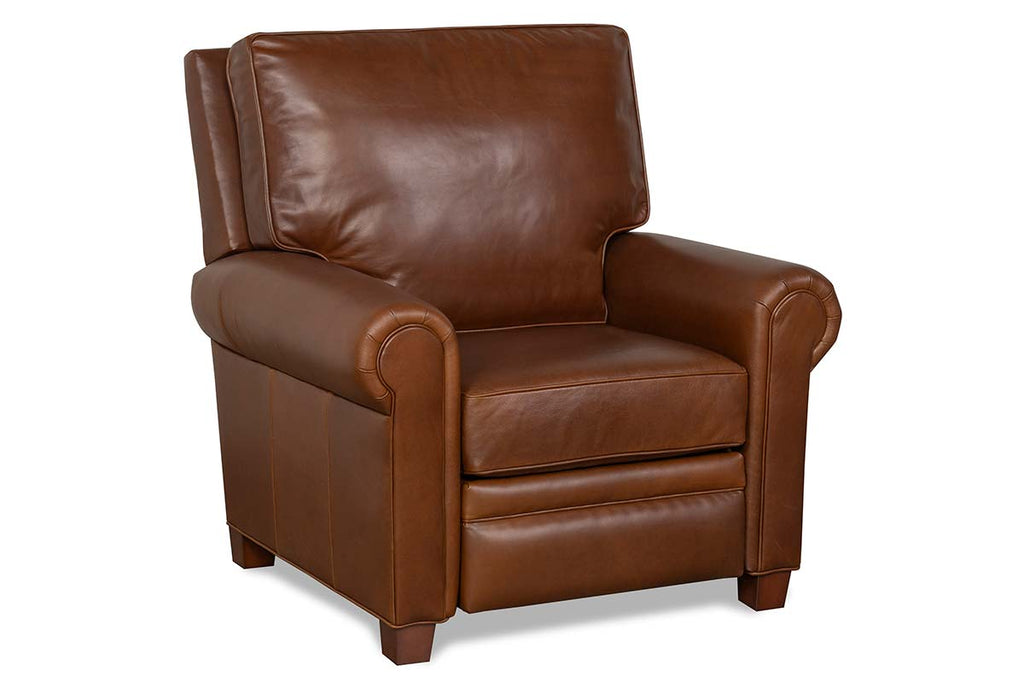
Leather
Leather is often considered one of the best materials for a recliner chair because it looks refined, feels smooth, and cleans easily. It can last many years if cared for properly. Full grain and top grain leather usually perform better than bonded leather.
Pros of leather:
- Easy to wipe clean
- Durable with proper care
- Stylish and classic
- Can age well over time
Cons of leather:
- Can be expensive
- May feel hot in warm climates
- Needs conditioning to prevent drying and cracking
Leather is a strong choice if you want a premium look and do not mind occasional care.
Performance Fabric
Performance fabric is one of the smartest choices for families, pets, and everyday use. It is made to resist stains, spills, and wear better than many standard fabrics. For many people, this is the best material for a recliner chair because it offers comfort without being too hard to maintain.
Pros of performance fabric:
- Soft and comfortable
- Often stain-resistant
- Breathable in warm weather
- Comes in many colors and textures
Cons of performance fabric:
- Quality varies by brand
- Some fabrics can pill over time
- May hold odors more than leather if not cleaned regularly
If your chair will be used every day, performance fabric is often a practical and forgiving option.
Microfiber
Microfiber is popular because it is soft, budget-friendly, and easy to live with. It resists stains fairly well and feels cozy, which makes it a common choice for family rooms. It is not always the most premium-looking material, but it offers strong value.
Pros of microfiber:
- Soft to the touch
- Easy to clean
- Affordable
- Good for frequent use
Cons of microfiber:
- May attract lint or dust
- Can show wear in high-contact spots
- Less luxurious than leather or high-end woven fabrics
Velvet
Velvet gives a recliner a rich, elegant look. It feels plush and visually stands out in formal spaces. Still, velvet is not always the best material for a recliner chair if you want low maintenance.
Pros of velvet:
- Luxurious appearance
- Very soft feel
- Works well in stylish interiors
Cons of velvet:
- Can be harder to clean
- May mark easily
- Not ideal for homes with heavy daily use
Faux Leather
Faux leather is a budget-friendly alternative to genuine leather. It can look attractive at first and is easy to clean. However, it usually does not last as long as real leather and may peel with age.
Pros of faux leather:
- Lower cost
- Easy to wipe down
- Sleek appearance
Cons of faux leather:
- Can peel or crack
- Usually less durable
- May not age well
Best Material by Use Case
If you want the best material for a recliner chair based on your needs, use this simple guide:
- For families with kids: performance fabric or microfiber
- For pet owners: performance fabric or leather
- For a premium look: top grain leather
- For budget shoppers: microfiber or faux leather
- For formal rooms: velvet or leather
- For easy cleaning: leather or performance fabric
A chair can only be as good as its weakest part. Even the best material for a recliner chair will not help much if the frame is weak or the foam breaks down quickly. That is why build quality matters as much as upholstery.

Source: menshealth.com
How Long Does a Recliner Chair Last?
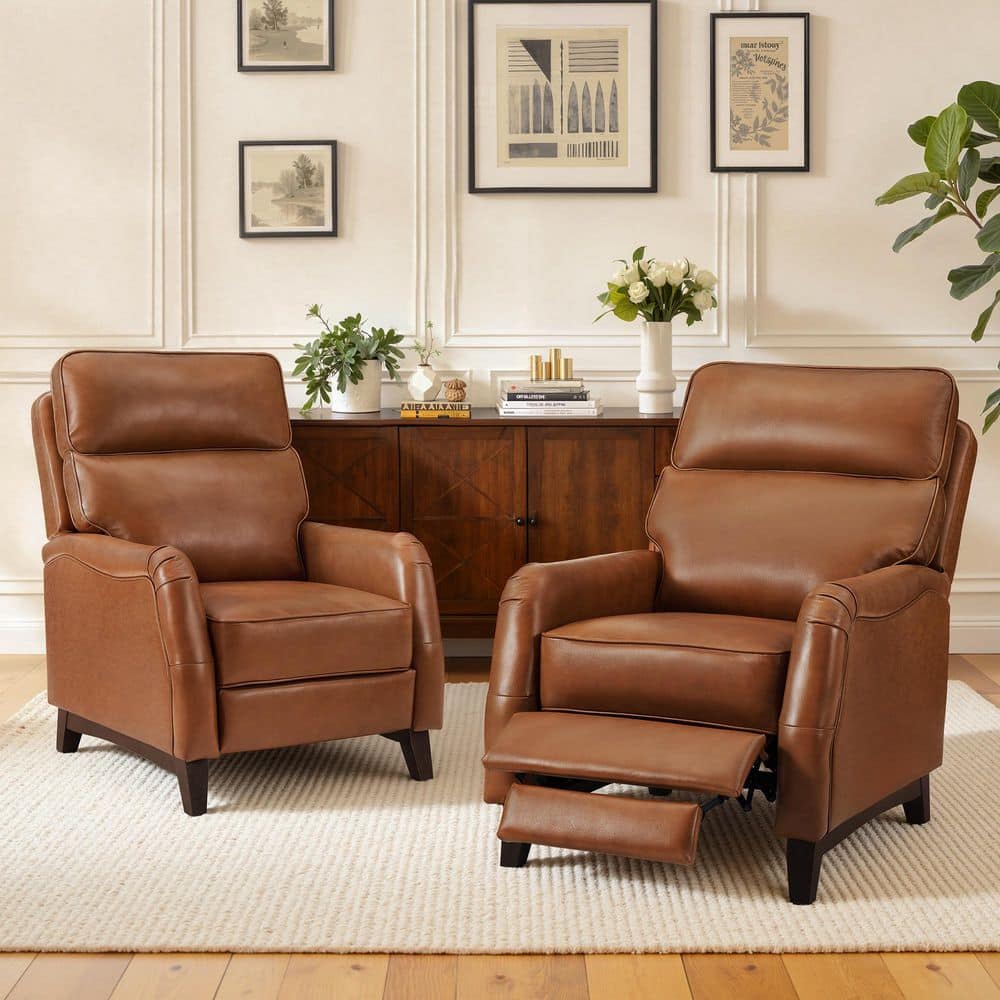
How long a recliner chair lasts depends on build quality, daily use, weight load, material, and maintenance. On average, a well-made recliner chair can last 7 to 15 years. Premium models may last even longer, while low-cost chairs may wear out much sooner.
In real life, I have seen recliners fail early because the mechanisms were cheap, not because the fabric looked worn. A chair can look fine on the outside and still have sagging foam, a broken spring, or a loose swivel base. That is why asking how long does a recliner chair last should include both comfort and structure.
Main Factors That Affect Lifespan
- Frame material: Hardwood and reinforced metal frames usually last longer than softwood or thin composite frames.
- Reclining mechanism: Strong metal mechanisms tend to hold up better than lightweight parts.
- Upholstery material: Leather and performance fabric often age better than low-cost materials.
- Usage level: A chair used daily will wear faster than one used occasionally.
- Weight and movement: More frequent swiveling and reclining increase stress on moving parts.
- Care routine: Regular cleaning and tightening help extend life.
Typical Lifespan by Quality Level
- Budget recliner chair: 3 to 5 years
- Mid-range swivel recliner chair: 7 to 10 years
- High-end recliner chair: 10 to 15 years or more
Signs a Recliner Is Near the End
- It sinks or sags when you sit
- The footrest sticks or jams
- The swivel motion becomes rough
- The fabric peels, tears, or thins
- The chair squeaks often
- The seat feels uneven or lopsided
A recliner chair can sometimes be repaired and kept in use for several more years. But when the frame is cracked or the mechanism is failing repeatedly, replacement may be the better investment.
Source: homedepot.com
Common Recliner Chair Problems
Common recliner chair problems usually start small. A loose screw, worn cable, or dry joint can quickly turn into a bigger issue if ignored. The good news is that many problems are fixable, especially if you catch them early.
1. Recliner Won’t Open or Close Smoothly
This is one of the most common recliner chair problems. It often happens because the mechanism is dirty, bent, or missing lubrication. In some cases, a cable is stretched or detached.
What to check:
- Look under the chair for obstructions
- Inspect the lever or handle
- Check for bent metal parts
- Apply lubricant to moving joints if the maker allows it
2. Squeaking or Noisy Movement
A squeaking swivel recliner chair usually means friction between moving parts. It may also mean bolts are loose or springs need attention. Noise is often the first warning sign before a bigger mechanical issue.
3. Wobbling or Instability
A wobble can come from loose hardware, a damaged base, or uneven flooring. Swivel recliner chairs need a stable base, so this problem should not be ignored. Tightening the bolts and checking the base can solve many cases.
4. Sagging Cushion or Flattened Foam
Over time, foam loses support. This makes the chair feel tired and less comfortable. The seat may feel soft in one spot and firm in another.
5. Broken Handle or Pull Lever
Manual recliners often develop handle issues. The lever may loosen, crack, or stop connecting properly to the internal mechanism. Replacing the part is usually easier than replacing the whole chair.
6. Fabric Wear, Peeling, or Tears
Upholstery problems are common, especially on chairs used every day. Leather can crack if it dries out. Faux leather can peel. Fabric can fray in high-contact areas.
7. Footrest Problems
The footrest may not stay up, may lock halfway, or may jam when closing. This often points to a spring issue, a bent frame piece, or a worn mechanism.
How I Approach These Problems in Practice
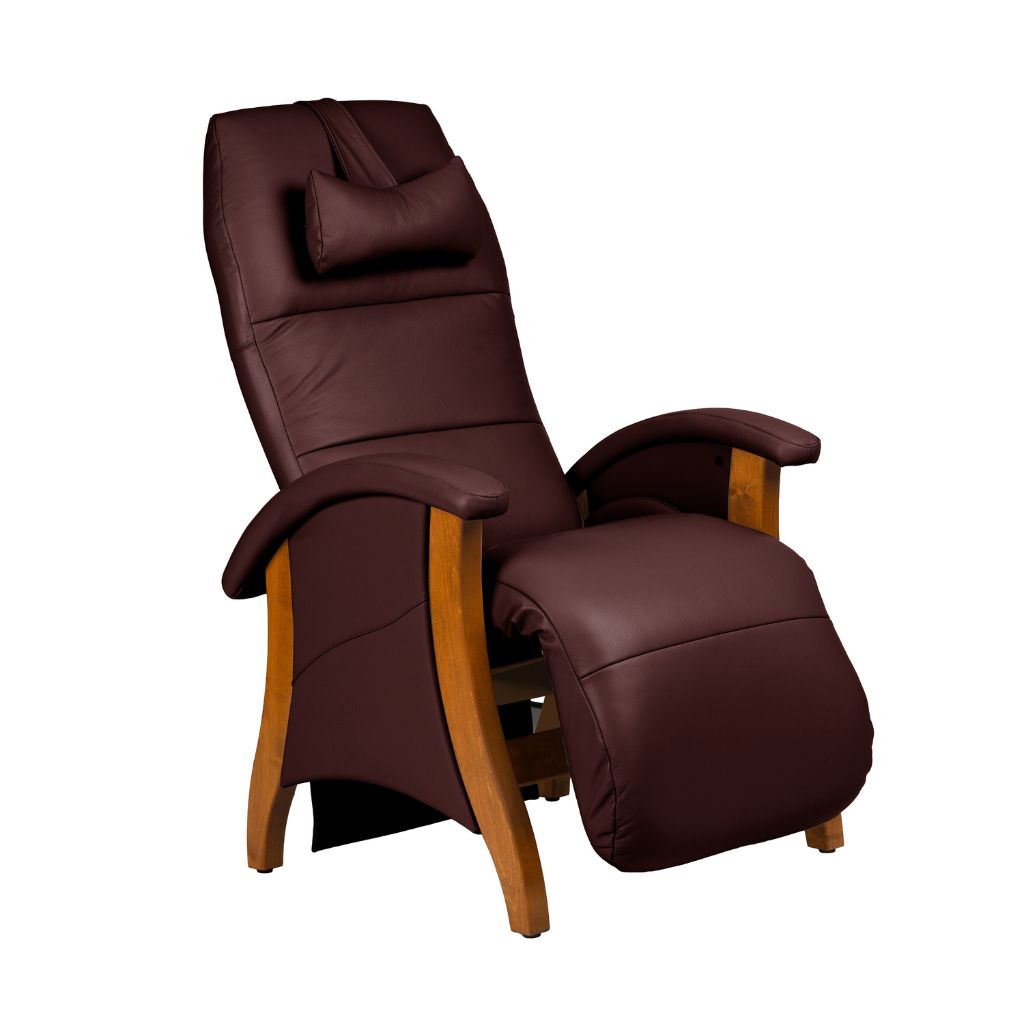
When I inspect a recliner, I always start with the simplest fix first. Loose screws, dust, and misaligned parts cause more trouble than people expect. That habit has saved me from replacing chairs that only needed a small repair.
Source: relaxtheback.com
How to Maintain a Recliner Chair
How to maintain a recliner chair is really about protecting the frame, mechanism, upholstery, and comfort over time. A little routine care can add years to the chair’s life. It can also reduce common recliner chair problems before they become expensive.
Clean It Regularly
Dust, crumbs, and pet hair can work their way into the mechanism and fabric. Vacuum the chair weekly, especially around seams, creases, and the base. Wipe spills right away so they do not soak into the material.
For different materials:
- Leather: Use a soft cloth and a leather-safe cleaner
- Fabric: Use a vacuum and fabric-safe spot cleaner
- Microfiber: Use gentle cleaning and a soft brush
- Faux leather: Wipe with mild soap and water
Tighten Hardware
Check screws, bolts, and joints every few months. Swivel recliner chairs move a lot, so hardware naturally loosens over time. Tightening parts early can prevent wobbling and uneven wear.
Lubricate Moving Parts
If the manufacturer allows it, lubricate the reclining mechanism and swivel base with the right product. Do not use random oils without checking instructions. The wrong product can attract dust or damage parts.
Avoid Overloading the Chair
Every recliner chair has a weight limit. Exceeding it puts stress on the frame and mechanism. Even if the chair seems fine at first, repeated overload shortens its lifespan.
Protect It From Sunlight and Heat
Direct sunlight can fade fabric and dry out leather. Heat can also weaken synthetic materials over time. If possible, place the chair away from strong windows or use curtains and blinds.
Rotate Use If Possible
If your swivel recliner chair is one of the main seats in the house, try not to let one side take all the wear. Changing sitting position and use patterns can reduce uneven damage.
Use the Recliner Correctly
Do not force the footrest open or push the chair closed with extra pressure. Sit and stand carefully, especially on manual models. Using the chair the right way may sound basic, but it prevents a lot of damage.
Schedule Small Inspections
Every few months, take a few minutes to check:
- Loose parts
- Noise during reclining
- Smooth swivel motion
- Cushion firmness
- Upholstery wear
That habit helps you spot trouble while it is still easy to fix.
Frequently Asked Questions
What is the difference between a swivel recliner chair and a regular recliner chair?
A swivel recliner chair can rotate from side to side, while a regular recliner chair usually stays fixed in place. The swivel feature makes it easier to turn without moving the base of the chair.
What is the best material for a recliner chair for families?
Performance fabric is often the best material for a recliner chair in family homes because it resists stains and feels comfortable. Microfiber is also a good option if you want something soft and budget-friendly.
How long does a recliner chair last with daily use?
With daily use, a good recliner chair often lasts 7 to 10 years, and higher-end models can last longer. Lifespan depends on the frame, mechanism, upholstery, and how well you maintain it.
Can common recliner chair problems be repaired at home?
Yes, many common recliner chair problems can be fixed at home, such as loose screws, squeaks, or a stuck handle. If the frame is broken or the mechanism is badly damaged, professional repair may be safer.
How often should I clean a recliner chair?
Vacuum the chair weekly and do a deeper clean every few months. Spills should be cleaned right away so they do not stain or damage the material.
Is leather the best material for a recliner chair?
Leather is one of the best materials for a recliner chair if you want durability, easy cleaning, and a polished look. Still, performance fabric may be a better choice if you need stain resistance and a softer feel.
Conclusion
A swivel recliner chair can be a smart, comfortable addition to a home when you choose the right design, material, and care routine. The best material for a recliner chair depends on your lifestyle, while lifespan depends on build quality and maintenance. Knowing how long does a recliner chair last and understanding common recliner chair problems helps you make a better purchase and keep your chair in good shape.
If you want your chair to last, treat it like a daily-use investment, not just a piece of furniture. Choose wisely, clean it often, and fix small issues before they grow. If this guide helped, explore more home furniture care tips and share your own recliner experience in the comments.